
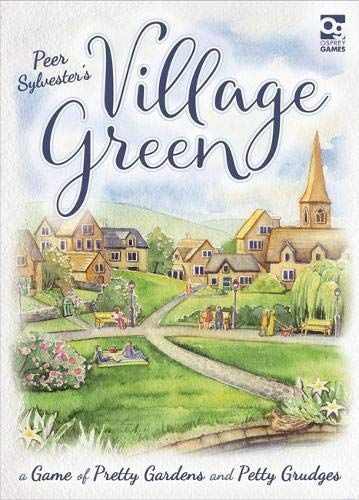
Village Green is a tidy little garden game that turns card play into a surprisingly fierce contest. This review looks at its smart garden layouts, card choices, scoring, luck, player interaction, and replay value. It offers quick turns, fair choices, and plenty to think about without making your brain file a complaint. Still, a few scoring rules can feel fiddly, so not every garden grows perfectly.
How It Plays
In Village Green, you build a tidy little garden while trying not to make your neighbours jealous. Each player creates a 3×3 garden tableau using landscape cards, then adds scoring cards around it to set goals for points.
Setting up
Shuffle the landscape and scoring cards into separate decks. Give each player a starting hand, then place the decks and shared face-up cards within reach. Each player also takes space for their garden and scoring cards.
Gameplay
On your turn, draw cards and choose what helps your garden most. Add a landscape card to your 3×3 grid, or place a scoring card beside the matching row or column. Cards score for things such as flower types, colours, trees, ponds, and useful patterns. You may discard cards too, which helps when your hand looks about as useful as a wheelbarrow with no wheel.
Plan ahead, because once you place a card, you cannot move it. The shared cards give everyone chances to grab useful options, so watch what your friends collect.
Winning the game
The game ends when players complete their gardens or the card supply runs low. Add the points from your scoring cards and any bonuses from your landscape arrangements. The player with the most points wins and earns the village’s finest garden gnome.
Want to know more? Read our extensive strategy guide for Village Green.
Garden Layout and Scoring in Village Green
Village Green gives you a tiny patch of land and a surprisingly large headache. Each player builds a six-by-six garden from cards, placing lawns, ponds, trees, flowers, and sheds into neat rows and columns. The grid looks calm, but your brain soon starts making rude noises. A card may score for sitting beside a pond, while another wants three matching flowers in one row. This makes every empty space feel important, not just like spare-token storage in other games.
Scoring rewards tidy plans
Scoring in Village Green comes from public goals and your own hidden goals. Public goals reward shapes such as a long line of trees or a garden with several colours. Secret cards push you toward a different plan, so you must bend the layout without snapping it like a cheap rake. Completed goals score points at the end, while some cards punish gaps or lonely features. I have watched friends build beautiful gardens that scored like a damp sandwich because one tree sat in the wrong row.
Small grids, sharp choices
The six-by-six limit keeps scoring easy to check, yet creates room for combos. A pond can complete one goal and block another. A flower bed may fill a colour set but ruin a column. This tension feels fair because the rules show you what each card wants. Luck matters when cards refuse to appear, but planning matters more than draws. In our games, the best score came from players who accepted an ugly corner to protect a pattern. Next, Card drafting and choices will show how those garden dreams begin with the cards you grab.
Village Green Card Drafting: Smart Choices in Every Pick
Reading the Table
Village Green gives you a hand of cards, but each pick can twist your garden plans. In our games, I watched players pass cards around like squirrels, then grab the one card that fixed a scoring gap or opened a route. You draft one card, pass the rest, and repeat. That loop keeps your brain busy without turning the game into homework. The best picks rarely shout for attention.
A card may look useful, yet its symbols can clash with cards already in your display. I often faced this choice: take a pretty park card now, or pass it and hope a better option returns later. That second option feels brave until your friend snatches it with a grin. Village Green rewards players who read the available cards, not just their own hand. You can spot strong sets forming, then cut off a rival’s combo without loud table drama.
Why Choices Matter
The drafting system also gives each card a job. A flower might score beside a pond, while a bird wants open space or a neighbour. Those links create puzzles. I loved the moment when my mate Sam passed me a card I needed, only to realise I had blocked its scoring spot. He called it “gardening tax.” He was right, and I deserved the bill. These links make picks feel earned, even when your plan bends.
Still, the hand size can feel tight for players. Some cards look useful only after several plays, so games may bring blank stares. The icon mix needs time to settle. I wish the draft offered more ways to affect other players; interaction stays. Next, I’ll check luck, balance, and replayability to see whether the garden stays fair after the flowers fade.
Village Green Luck, Balance, and Replayability
Luck with a leash
Village Green gives you a small deck of cards, but luck never grabs the steering wheel and drives into a hedge. The deck can create awkward turns, yet it rarely decides the whole match. Good timing and flexible thinking matter more than a lucky top draw. That feels fair, especially for a game that plays in about half an hour.
A fair fight
The scoring system gives each player several ways to earn points, so one blocked idea does not sink your score. I have seen strong players win after making a few clumsy choices, while newer gamers found clever paths with modest gardens. That says a lot about the design. No colour or symbol feels useless for long, and the public cards keep everyone alert without making the game feel cruel. Village Green stays balanced because it rewards planning but leaves room for recovery. It never gives the lucky player a giant shortcut to victory. My only gripe comes when a player draws a perfect set early. They can look unstoppable, even if the final score often tells a calmer story.
Replayability
Replayability stays strong because each game brings a fresh card mix and scoring route. The rules teach fast, so this box earns shelf space at home. Next, I’ll look at player interaction and game length, where the garden party gets livelier.
Village Green Player Interaction and Game Length
Village Green creates a calm garden contest, yet players still notice each other. The main interaction comes from watching which cards other players take and spotting when they chase a useful symbol or colour. That knowledge can help you adjust your plans, but cannot wreck another garden. I enjoy that pressure. It feels like stealing a biscuit, not flipping a table.
Quiet Tension Around the Table
Players can judge when to pass a card someone wants. This creates small moments of talk and sly smiles. However, Village Green does not offer direct attacks, blocking moves, or clever trades. If your group loves loud negotiation, it may seem tame. We chatted and teased without demanding a rematch.
Game length matters here because the rules stay brisk. A full game usually takes around 30 to 45 minutes, depending on player count and how long people stare at their options. The first round moves quickly, but the final turns can slow when players count points or hunt for one last perfect placement. I found that pause easy to forgive because the game never sprawls across an evening. It works well after dinner, before a longer strategy game, or when your group has only enough energy for one small battle.
A Good Fit for Short Evenings
The short runtime also makes Village Green easy to bring back to the table. The interaction stays light but meaningful, and the length respects your time. That makes each session feel complete. I recommend Village Green for players who want friendly tension and a tidy game that ends before the snacks run out.
Conclusion
This concludes my review of Village Green. The card choices feel fair, the scoring gives each garden a clear goal, and the short play time makes it easy to bring back to the table. Luck adds a bit of spice, but it rarely steals the win. Interaction stays light, so players who want big attacks may feel a little left out in the shed. Still, if you enjoy calm, smart games with plenty of replay value, Village Green deserves a spot on your shelf.