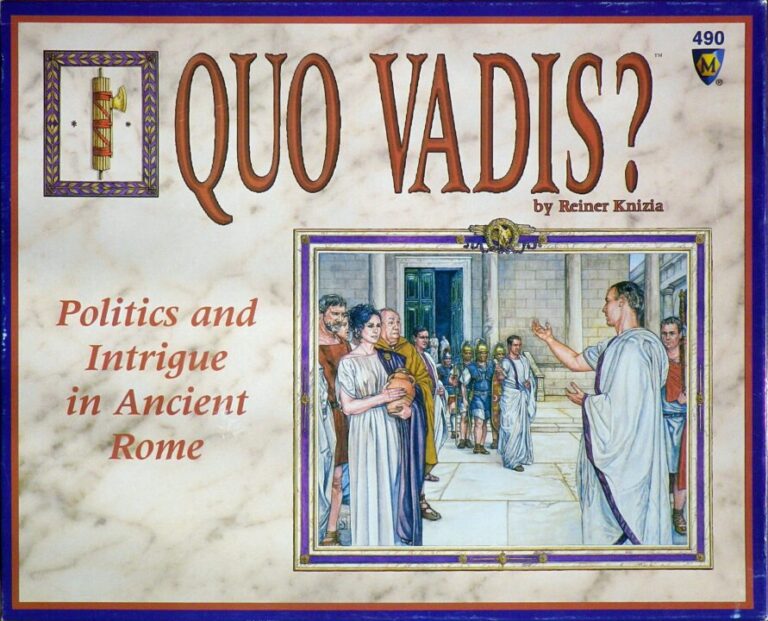
Quo Vadis? Review
Quo Vadis? turns every vote into a tiny political crisis. Deals shift, friends betray friends, and clever timing beats lucky rolls. It works best with four or five players, where every promise feels wonderfully suspicious.
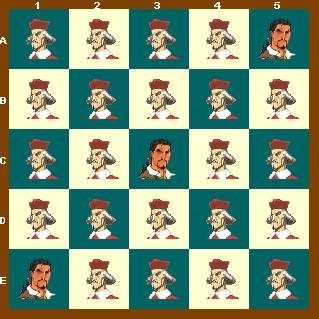
These games focus on strategy rather than luck or a theme. They usually have minimalistic designs and rules, emphasizing skill and critical thinking. Examples include “Chess” and “Go” and “Stratego”.

Quo Vadis? turns every vote into a tiny political crisis. Deals shift, friends betray friends, and clever timing beats lucky rolls. It works best with four or five players, where every promise feels wonderfully suspicious.

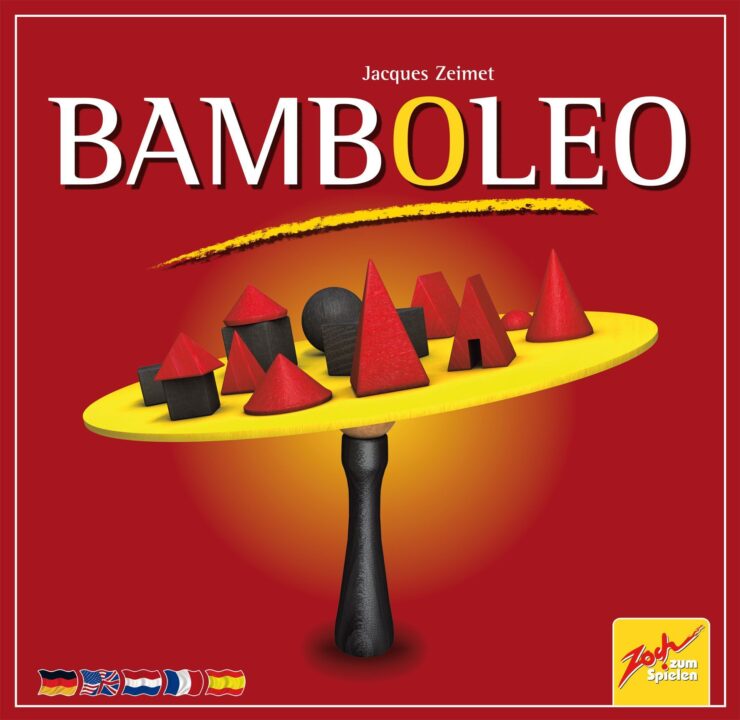
Bamboleo turns a wobbling wooden platform into a tiny test of nerve. Every piece you lift can cause chaos, cheers, or a table-wide gasp. It’s simple, clever, and wonderfully tense.

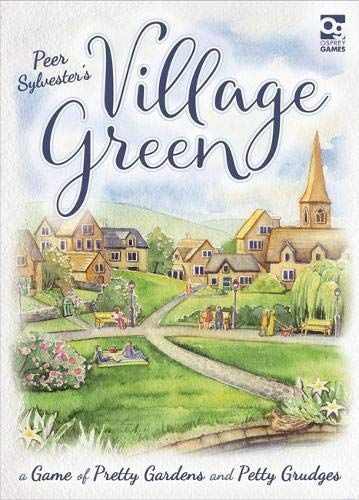
Village Green turns garden planning into a clever little puzzle. Its fair card play, quick turns, and tasty scoring choices kept my group hooked—though the tiny cards made my old eyes work overtime.

Altitude rewards smart planning without turning every turn into a maths exam. Luck adds spice, but clever choices usually win. After several games with friends, I found it tense, fair, and just chaotic enough to keep everyone grinning.

Upstream turns a salmon run into a clever race of timing, growth, and gentle sabotage. The river keeps moving, your fish keep eating, and your friends keep blocking the best route. Rude, but wonderfully fun.

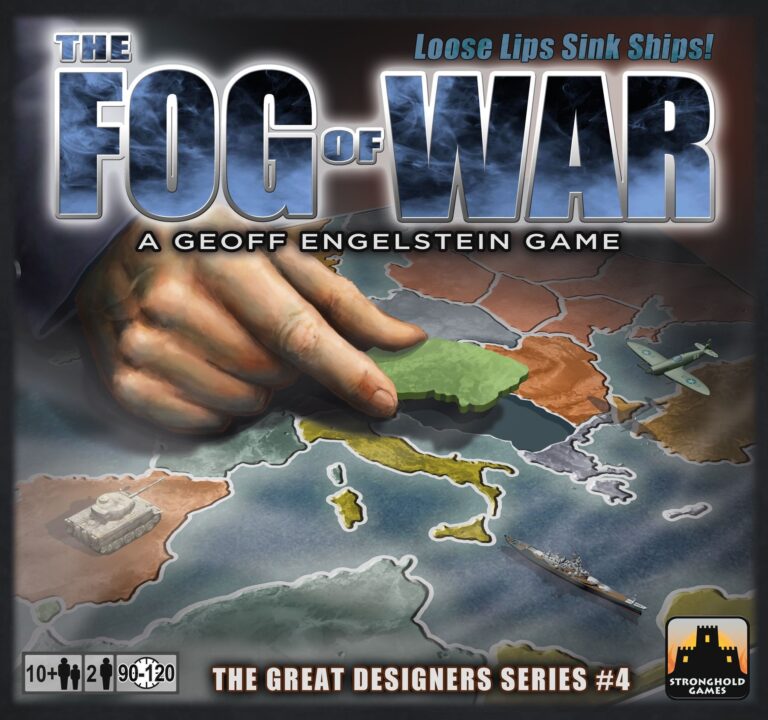
The Fog of War rewards calm plans, sneaky bluffs, and friends who enjoy second-guessing every move. Its rules take a little work, but once they click, each turn feels tense, clever, and wonderfully mean.

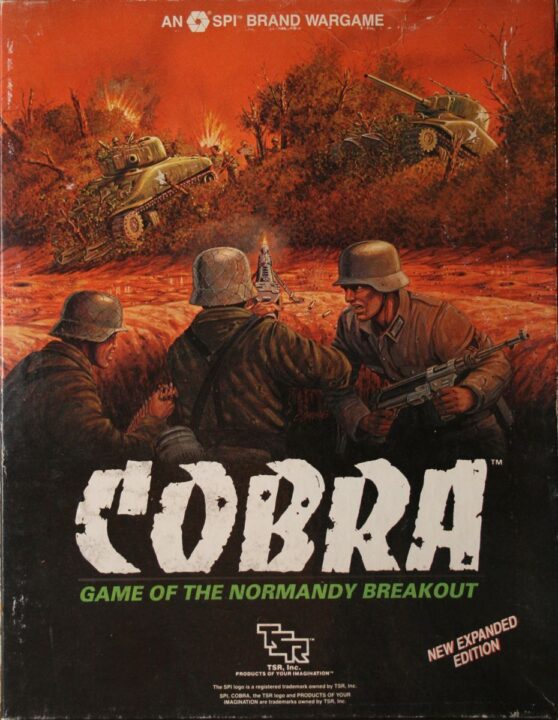
Cobra mixes wooden snake stacking with hidden player colours. Examine the bluffing, dexterity risk and scoring interests behind its unusual design.

Boomerang turns a small deck into a tasty puzzle of timing, sets, and cheeky choices. My friends and I enjoyed the smart play, though a few lucky draws can ruffle feathers.

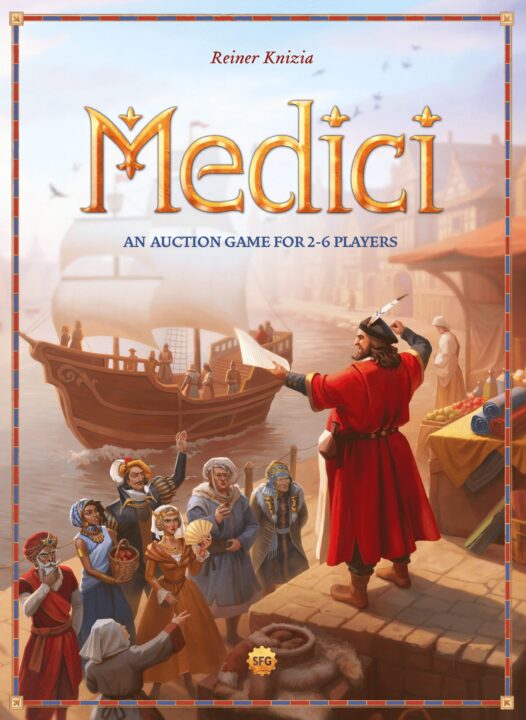
Medici turns simple auctions into proper table drama. Luck deals the goods, but smart bidding wins the day. It plays fast, rewards sharp eyes, and leaves everyone blaming the player who bought everything.

Three Musketeers creates a neat battle of brains: three players must work together while one villain causes trouble. It feels tense, quick, and clever, though balance can wobble with new players.