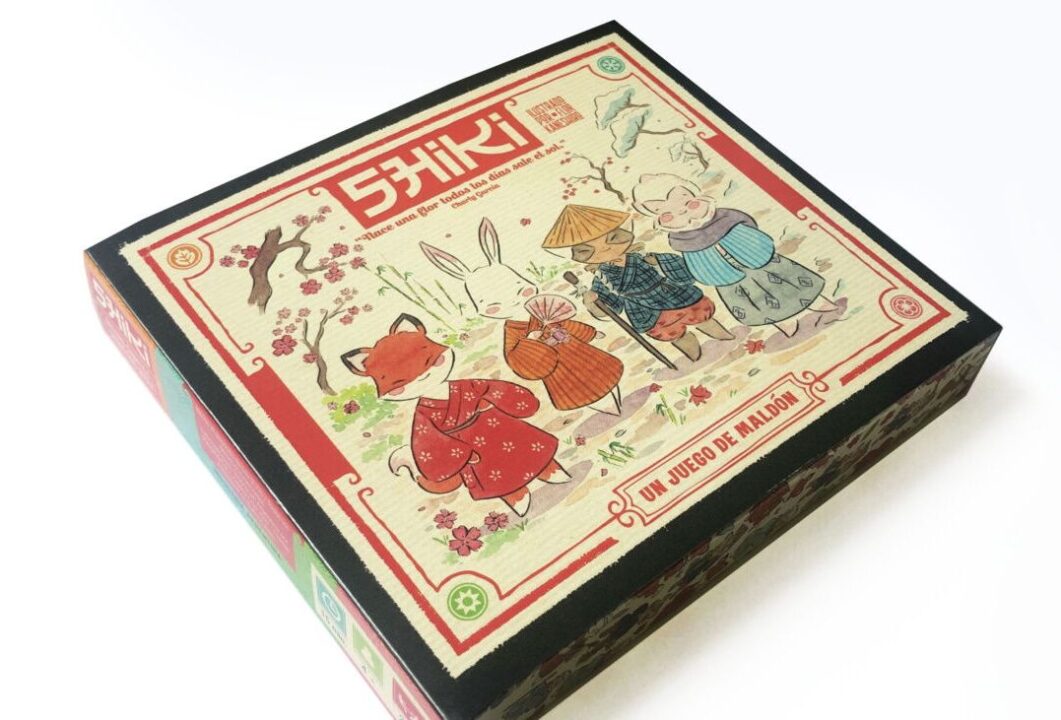

Alright, folks, it’s time for another board game review! If you love games with clever moves, sneaky tactics, and top-notch looks, this one’s for you. I played countless rounds with my group, snacks were consumed, friendships were tested, and now I’m here to spill the beans on whether this game really lives up to the hype or if it’s just another fancy box gathering dust. Strap in—this review pulls no punches!
How It Plays
Setting up
Lay the board out so everyone can reach. Each player picks a color and grabs their tokens. Put foxes and shrine tokens nearby. Place starting shrines on the board, following the handy setup card. Don’t let Steve eat the fox pieces—he tried that during our first game.
Gameplay
Players take turns placing tokens to claim areas and block rivals. Every move feels tense, especially when a sneaky fox throws off your plan. You can use foxes to mess with others, but only if you’re brave—or foolish—enough. Watch out for the shrines, since those score big and everyone wants them. Expect a fair bit of table banter and glares during your turn.
Winning the game
Once the board fills up, add up points from your shrines and areas you control. Bonus points for having the most in each zone, but foxes can steal these if you let your guard down. Highest score wins, earning eternal bragging rights. Unless Steve wins, then he just gloats for a week.
Want to know more? Read our extensive strategy guide for Shiki.
Outwitting Foxes and Gathering Blossoms: How Shiki Keeps You On Your Toes
I have played a lot of board games that promise clever gameplay, but Shiki actually delivers. The main mechanic here is area control, but there’s a twist—it’s so sneaky I nearly flipped the table (don’t worry, I held back). You score points by grabbing different types of blossoms, but not all blossoms are equal. Some score more, others less, and then those pesky foxes sneak in. Foxes let you adjust your score after the blossoms are tallied, which basically means you’re never truly safe. I learned this the hard way. Three rounds in, my friend Dave pounced with a fox and stole my glorious win. I was not amused… but honestly, at least it wasn’t decided by bad dice rolls.
Shiki can handle two to four players, but I think it’s best with three or four. That’s when the board feels tight and you’re trading little glares over who gets the prime blossom spots. There’s no luck in the gameplay—the random setup is as wild as it gets, and after that, it’s all about your moves. That really cuts down on complaints about the game being unfair. If you lose, it’s because someone else outfoxed you, not because the deck hated you. Everyone is engaged every turn, no sitting around scrolling on your phone. My group stayed sharp the whole way.
Still, Shiki isn’t super forgiving if you fall behind, so it rewards people who like to plan ahead. Next up, I’ll tell you if the game looks as clever as it feels, so get your eyes ready for some judgment!
Stunning Sights and Tactile Delights: Shiki’s Component Quality & Visual Appeal
I’ll be honest—before I even placed my first shrine in Shiki, I nearly drooled on the table. The aesthetics in this box punch way above their weight. The board? Gorgeous. It’s this clean, nature-inspired panorama that I’d hang on my wall if I thought my landlord would let me. The artist nailed that peaceful, Japanese temple vibe—so much so, my buddy Greg went silent for more than five seconds (trust me, that’s rare).
Component-wise, Shiki is a generous soul. The wooden tokens for shrines and foxes feel so smooth and weighty, I caught myself fidgeting with them long after we finished the game. The cards are nice and thick; no worries about accidental nacho stains or bending from my intense shuffling prowess. Even the little player boards have a lovely finish, and everything fits in the box without any origami-level folding skills required. Big win.
As for iconography, it’s crystal clear. I didn’t catch anyone squinting or mixing up symbols, which is a gift for groups with the attention span of a chipmunk on espresso. The rules reference card also deserves a medal for not throwing a 12-page novel at new players—simple, effective, job done.
Now, are there any weak points? Maybe if you’re hunting for miniature samurai or want your foxes to have googly eyes, Shiki might feel a tad simple. But for me, it nails that classy, zen vibe without going overboard. I’ll give it a solid thumbs-up here.
Feeling calm? Good! Now get ready, because next I’ll spill the beans about Shiki’s game balance and whether victory goes to the clever…or just the lucky.
Game Balance and Fairness in Shiki
Let me tell you, nothing grinds my gears more than a board game where one player can run away with the win just because they drew the lucky stick—or worse, table-flip because the rules favor one side. Luckily, Shiki sidesteps these disasters with some real tight balancing.
In my group, we had both veterans and newbies play Shiki, and no one felt outmatched. Sure, the player who kept calling themselves the “fox whisperer” tried a cheeky early rush, but the mechanics nipped that in the bud. The game spreads power across the board like jam on toast. If you try to grab too much too soon, the others can and will gang up on you. It’s like the perfect blend of passive-aggressive teamwork.
Every action you take in Shiki feels important. No one ever wins just by getting lucky, and you can’t just turtle up and hope for the best. The scoring system is fair and unforgiving, so you have to plan or watch your points vanish like last week’s pizza. I did notice some slow turns from players who overthink, but that’s more analysis paralysis than a flaw in fairness. Shiki’s foxes might look cute, but they don’t let you off easy if you mess up.
Overall, I give Shiki top marks for balance and fairness—no cheap wins, no runaway leaders, and you always feel like you’ve earned your place. Next up, I’ll reveal whether this game’s fun sticks around like your weirdest uncle at a family reunion: replay value and strategic depth!
Replay Value and Strategic Depth: Will You Keep Coming Back to Shiki?
I’ve played Shiki so many times now, I expect a fox to steal my snacks the next time I blink. If you’re wondering if this game keeps things fresh, let me answer: yes, but let’s not get carried away. Shiki is like that one friend who always comes up with a new way to win at Mario Kart. Every round, the game board feels a bit different. There’s always that player (it’s usually my cousin Greg) with some clever new trick. It’s not a puzzle that solves itself after two plays. With the movement options and sneaky foxes, you’re always asking, “How can I outsmart the table this time?”
The deep strategy means you can grow as a player. After my first two games, I thought I was a strategic genius. Then I played against my better half, and I realized I still have a lot to learn. Each session, I spot new ways to block, trap, or just get my rivals to make mistakes. That’s the sweet spot for me: never knowing if I’ll be the cunning fox or the lost rabbit.
You won’t find yourself repeating the same moves like in some “strategy” games. Shiki rewards you for trying new things and punishes lazy routines. This is a game that asks for brains, not just luck or muscle memory.
So, do I recommend Shiki based on its replay value and strategic depth? Absolutely. If you love games that keep your head in the game, Shiki will not let you down. Just watch out for sneaky foxes—and sneakier friends.
Conclusion
So that wraps up my review of Shiki. This game scratched my tactical itch in all the right places—no cheap luck, just good old-fashioned mind games that had me glaring across the table at my friends (in a loving way, of course). The foxes add just enough chaos to keep things spicy, but never ruin your chance to win. The art is great, the pieces feel nice, and after several rounds, nobody stormed off or flipped the table. That’s a win in my book. If you like balanced, skill-based games with nice components, Shiki is worth your yen. Now if you’ll excuse me, I have to go practice my fox face.