
Let me guess—someone told you to try Lascaux, promising a thrilling trip to the stone age, but all you can think of is, “Do I really want to herd ancient cows for fun?” I felt the same way! Well, grab your club (or, you know, a comfy chair), because in this review, I’ll share what happened when I wrangled my most cunning friends for a night of cave-painting, bluffing, and more alliance drama than a reality TV show. Is this game a hidden gem or just ancient history? Let’s find out—before someone tries to auction off your snacks!
How It Plays
Setting Up
First, deal out the animal cards into a grid. Give each player a set of chips in their own color—these are your bribe tokens. Put the rest of the chips in the box. Pick a person to go first—it helps if they grunt, cave-person style.
Gameplay
Each round, flip over an animal card for auction. Players take turns bidding chips for the right to grab that card, or they can pass. The tricky bit: you can bluff, backstab, or try a combo of both. Highest bidder chooses first, but if you pass, you get to divvy up the bribe chips instead. It’s part strategy, part ‘who can talk the loudest’ and occasionally, part wild guesswork.
Winning the Game
Once all the animal cards are gone, check your collection. Your goal: sets of matching animals. Each group scores you points, but having a bunch of different animals is usually not as good as specializing. The player with the most points (and probably the least friends left at the table) wins!
Want to know more? Read our extensive strategy guide for Lascaux.
How the Auction System Makes Lascaux Tick
If you ever wanted to feel like a sneaky cave-painting tycoon, Lascaux gives you a chance to flex your auction muscles. This game is all about outsmarting your friends and grabbing those ancient animal cards, but good luck—my friend Dave managed to bluff his way to victory by holding onto his chips like they were gold-plated potato chips.
The core mechanic is a tense auction where you secretly decide how many stones (the game’s currency) to risk. Everyone lifts their hands, and just like at grandma’s garage sale, the highest bidder gets first pick among the cards. The twist? Sometimes, the card you really want slips away to the one who bid just a little more—or to that mate who always plays the odds. It’s like a poker night at the museum, but with more mammoths.
Lascaux keeps things simple but clever. There’s a bluffing element: you might overbid to scare off others or underbid to save stones for later. But, luck sometimes rears its ugly head when the card you need doesn’t even show up. That’s a bit annoying, but at least you can blame the Stone Age gods instead of bad strategy.
Next, I’ll show you why nobody trusts anyone during a round of Lascaux—a player interaction lesson that will make you question your friendships!
Lascaux: Where Your Friends Become Frenemies
When you play Lascaux, you quickly find out who at the table is a master of sweet-talking and who folds like a napkin. This game is all about reading people and outwitting your pals. There’s bidding, bluffing, and a little bit of betrayal. It’s like a family holiday, but with less food and more yelling.
One moment, you’re teaming up with someone to push up the price so Barb can’t grab that last bison card, and the next moment, you’re watching that same person snatch a cave painting right from under your nose. The rules say you can negotiate and make deals, but everyone’s promises feel about as solid as a chocolate teapot.
There is no rule that says you must keep your word in Lascaux, so you’ll see people making pacts and then breaking them as soon as it helps them get more animals. If you have a player who loves chaotic alliances, they’ll thrive. If you prefer strict order and clearly defined rules, well… you’re probably going to end up with a few new grudges. Either way, the social side of the game is what brings it to life, giving you stories to laugh about for weeks after.
But before you go forming your secret alliances and plotting betrayals, let’s take a look at Lascaux’s luck factor versus its strategic depth, which is kind of like asking if the dice control you, or you control the dice…
Does Lascaux Reward Clever Strategy or Just Blind Luck?
I have a rocky relationship with luck in board games. Give me too much dice rolling and I start to wonder if I should’ve just played bingo with my nan. So where does Lascaux land on the luck-to-strategy scale?
At its core, Lascaux is all about auctions and collecting sets of animals painted on those ancient cave walls. You want to bluff, outbid, and outthink your friends while grabbing the animals you need. Here’s the good news: it isn’t a pure luck-fest. There’s no dice and no random event cards dropping meteorites onto your plans. Your choices matter. You have to figure out when to bid high and when to cut your losses (or when to stare down your cousin, who you’re pretty sure is bluffing but is also a terrible liar). Sussing out who wants what, and how desperately, is key—and that’s all skill, baby.
But, of course, luck isn’t totally locked out of the cave. Sometimes, you get stuck with a bad hand of cards or someone bluffs you out of something you need. There’s a bit of unpredictability, especially when everyone’s motives are murky and you overthink “just how sneaky is Uncle Bob, really?” Still, in my games, skill usually beat luck. If you like a mix, Lascaux gets it just about right.
Next up, hold on to your prehistoric hats, because we’re talking Lascaux’s artwork and components, and trust me, there’s a mammoth-sized story there!
Is Lascaux a Visual Masterpiece? Examining the Artwork and Component Quality
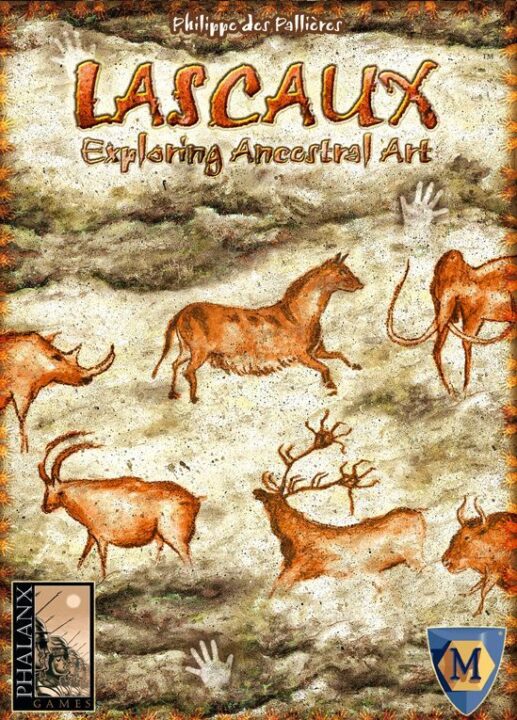
When you pull Lascaux out of its box, you can’t help but smile. The art is straight out of a cave painting! No, really – the box and game cards are splashed with prehistoric cattle, horses, and deer, and after a few rounds, I started to feel like my kitchen was the Louvre (well, if the Louvre were run by hungry Neanderthals, anyway).
Each card in Lascaux sports its own little work of art, inspired by the real Lascaux cave paintings. This isn’t just a marketing gimmick – it adds a real sense of theme. You’re not just trading colors or rocks; you’re scrapping over ancient treasures. The artist deserves a round of applause (or at least a polite grunt in Paleolithic style).
The components themselves? Nice and sturdy. The cards survived my friend Sam’s ham-fisted shuffling (he once bent a deck of playing cards in half, so that’s saying something), and the little stone markers have a pleasant, chunky feel. Everything fits neatly back in the box when you’re done. I’ve had board games with tokens flimsier than my willpower on a diet – I’m happy to report Lascaux avoids that club.
One small nitpick: the artwork’s color palette is muted (think earth tones – it is prehistoric, after all). If you crave neon dinosaurs, you’ll be disappointed. But it works for the theme, and my grandmother didn’t once complain about squinting to see symbols.
So, should you get Lascaux for your table? If you like your games to tell a story and your cards to feel like ancient treasure, I say give it a shot!
Conclusion
Well, that wraps up my review of Lascaux. Between the tense auction showdowns and prehistoric backstabbing, this game’s like playing poker in a cave with your slightly devious friends. The artwork adds just enough old-school charm to make me want to grow out a unibrow. Sure, luck pops up now and then, but smart bidding and reading your opponents keeps things fair. If you like games with bluffing, quick rounds, and a side of friendly betrayal, Lascaux is worth a spot on your shelf. Just watch out—one day you’re forming alliances, the next you’re alone in the dark with only a painted mammoth for company. Thanks for reading, and may your auctions always go your way!