
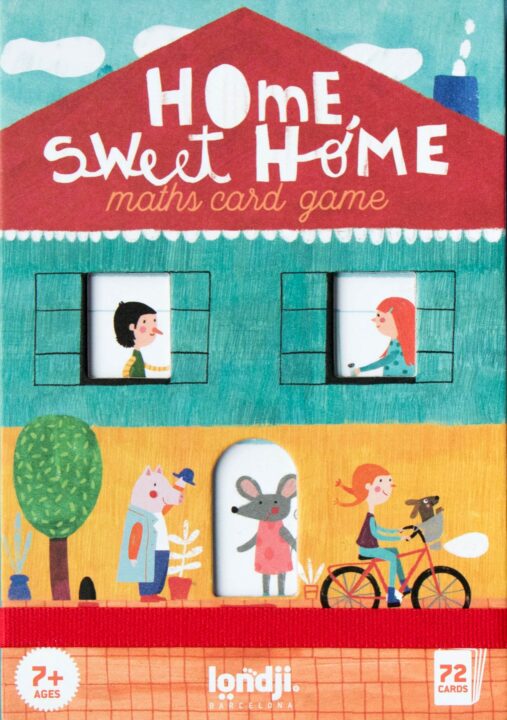
We spent our games arranging tiles, chasing clever links, and pretending one badly placed bathroom had ruined the whole estate. This review looks at its gameplay, strategy, luck, artwork, components, replay value, and player interaction. It offers a friendly mix of choices and charm, though a few small limits may bother players who want deep tension or total control.
How It Plays
Setting up
Give each player a house board and the pieces needed for the game. Shuffle the room tiles, place the supply where everyone can reach it, and choose a first player. Now grab your tiny builder hat. It is not required, but it helps.
Gameplay
On your turn, take a room tile and add it to your house. Connect rooms in smart ways to score points and complete useful room groups. Watch the shared supply, since another player may snatch the tile you wanted. Keep building until the game reaches its end condition.
Winning the game
When the game ends, players score their completed rooms and any bonus goals. The player with the most points wins and earns the right to call their cardboard house “luxury property.”
Want to know more? Read our extensive strategy guide for Home Sweet Home.
How House-Building Works in Home Sweet Home
Place, Connect, and Improve
In Home Sweet Home, each player builds a small house from room tiles drawn from the shared supply. On your turn, you choose a tile and add it to your floor plan. Rooms need to touch matching walls, so you cannot toss a kitchen onto the roof like a pigeon. Good placement matters because rooms score when they connect to the spaces. A bedroom feels much better beside a bathroom than beside the front door, although my friend Pete built that and called it living.
Tiles may show windows, hallways, gardens, or special features. Some pieces offer several uses, and you must pick the benefit that fits your plan. I often grabbed a room early, then spent the game trying to make it fit. That felt less like design and like moving furniture through a narrow stairwell.
Growing a Home
As your house expands, you gain points for useful layouts and complete room groups. Larger homes can score well, but they create awkward gaps. The board rewards planning ahead, yet it keeps turns quick enough to stop the table from turning into a property meeting. Players draft tiles, so you watch what rivals take and adjust your blueprint.
One snag bothered me: the supply can feel tight, leaving a nice house with nowhere to go. That tension creates funny table talk, but it can frustrate anyone who wants control. Overall, the building system feels clear, tactile, and rewarding, even when Pete ruins another bathroom plan. Next up, Strategy, luck, and player choices will show whether smart builders can tame the draw.
Strategy, Luck, and Player Choices
Strategy
In Home Sweet Home, the best players do not simply chase the biggest score. They watch what others want, then quietly steal the option that makes their plan work. I took one key card on my turn, and his face fell faster than a cheap garden fence. That small choice mattered more than any plan. The game rewards players who spot useful links between their options and future turns. You need to think ahead, but you also need to stay ready to change course.
Luck
Luck does enter the room, usually wearing muddy boots. Card draws can hand one player a lovely shortcut while another player gets a pile of awkward scraps. Still, the game lets you soften bad luck through careful timing. I rarely grab a useful card at once. Sometimes I pass, wait, and let another player spend a turn chasing it. That choice feels risky, yet it often leaves me with a better set of options. The luck creates tension, not total chaos, which keeps the table from turning into a raffle.
Choices
Player choices matter most when the table gets crowded. One player can quietly block another player. I enjoy that power. Home Sweet Home rewards patience and sharp eyes, not just bold moves. It asks you to judge your friends: grab what you need now, or leave it and hope they waste a turn? That question gives each choice bite. A bad draw can slow recovery, but it rarely wrecks all. Next comes Artwork, pieces, and component quality, the table’s big visual test.
Home Sweet Home Artwork and Component Quality Review
Bright Homes, Big Personality
Home Sweet Home looks like a warm Saturday morning spent browsing a cheerful furniture catalogue. The artwork uses soft colours, tidy rooms, and friendly little details that make each house feel lived in, rather than stamped out by a sleepy printer. I liked the small touches: lamps, plants, rugs, and odd bits of furniture that give the tiles character. Nothing screams for attention, yet the table still looks inviting when the game sits ready for play.
The cards have a smooth finish, clear icons, and readable text. Even after several rounds, I never needed to squint like a mole at midnight. The wooden pieces are simple, but their shapes and colours make them easy to spot across a busy table. They do not feel deluxe, though; anyone expecting chunky custom miniatures may feel a tiny pang of sadness.
The box keeps the bits in sensible groups, so setup does not turn into a frantic hunt beneath the sofa. The rulebook keeps things clear. I found the print quality consistent, although a few small details can blur when the table lighting gets poor. The visual style gives Home Sweet Home its charm, while the solid pieces promise plenty of evenings on the table. Next, Replay value and player interaction will see whether these pretty homes stay lively after the first housewarming party.
Home Sweet Home Replay Value and Player Interaction
Fresh faces, fresh fun
Home Sweet Home earns its keep through the people around the table. One game felt calm and friendly. The next turned into a tiny housing market, with everyone guarding useful options like dragons guarding treasure.
The game supports repeat plays because the table never feels quite the same. Players change their priorities, talk more or less, and react in new ways. My quietest friend suddenly became a ruthless landlord. He smiled while blocking the rest of us, which felt both rude and very funny. That sort of moment gives Home Sweet Home more life than a simple score sheet can provide.
Interaction without table drama
Player interaction stays gentle. You can affect another player’s plans, but nobody spends half an hour attacking one unlucky person. That matters in a family game. The action stays social, and players usually have something useful to do while waiting. I also liked how the game creates small deals and friendly warnings, even when nobody can make a formal trade.
Still, the interaction may feel light for gamers who want loud conflict or deep negotiation. Some groups will focus on their own areas and barely speak. The game cannot force a lively table, so your friends provide part of the fun. With the right crowd, though, each replay creates new stories and running jokes.
I recommend Home Sweet Home for families and groups who enjoy friendly interaction, changing table moods, and a game that improves with familiar faces.
Conclusion
This concludes the review of Home Sweet Home. The luck stays fairly mild, though a bad tile draw can still make you grumble into your tea. Planning matters most, and the gentle player interaction keeps the mood fun rather than fierce. It offers good replay value, especially with different groups, but serious strategy fans may want more depth. Overall, Home Sweet Home makes a cosy, cheerful choice for family game nights and casual players.