
How To Play: Home Sweet Home
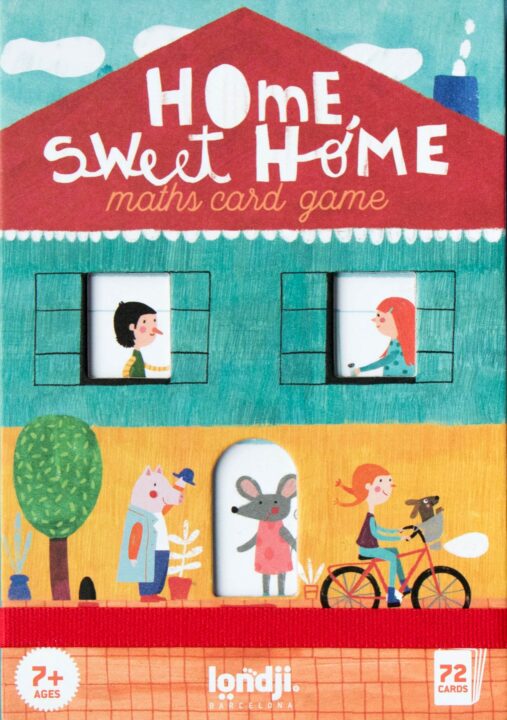
Home Sweet Home is a light strategy game about building the best house from available rooms. On your turn, place rooms, chase useful bonuses, and balance comfort with clever scoring choices. Plan ahead, but stay flexible when the tiles change. The player with the happiest, highest-scoring home wins.
Overview
Home Sweet Home turns house building into a friendly battle of clever choices and cheeky table talk. This guide gives you a clear outline of the game rules, from setting up the board to scoring your finished home. It also shares the best strategies for winning, whether you prefer safe plans or bold moves.
What’s in the box
- 1 game board
- 4 player boards
- 60 room tiles
- 4 player markers
- 1 first-player marker
- 40 furniture tokens
- 20 bonus tokens
- 1 score pad
- 1 rulebook
How To Play Home Sweet Home: Rules Summary
In Home Sweet Home, players build cosy homes by placing room tiles, collecting points, and using bonus moves at the right time. First, prepare the rooms and tokens. Then, take turns adding rooms to your home. Finally, score your house and see who creates the most comfortable place to live.
🏠 Setup: Get the House Ready
- First, shuffle all room tiles and place them face down in a supply pile.
- Next, give each player a home board and the starting pieces shown in the game guide.
- Then, place the comfort tokens, bonus tokens, and scoring markers where everyone can reach them.
- Choose a first player. Afterward, play moves clockwise around the table.
- Finally, reveal the starting room tiles or shared market spaces required by your game version.
🛠️ Gameplay: Build Before the Builder’s Tantrum
- On your turn, choose one available room tile or take the action allowed by the current game setup.
- Place the room in your home so its doors, walls, and special icons follow the placement rules.
- Next, check the tile. If it creates a matching room group or pattern, collect the shown points or comfort tokens.
- You may use a bonus move when its condition allows it. However, you must follow the bonus token’s instructions before taking another action.
- Afterward, refill the shared tile spaces if the game uses them, and pass the turn to the next player.
- Continue playing until the supply, room spaces, or another end-game condition runs out.
🏆 Winning: Crown the Cosy Champion
- When the game ends, finish the current round so each player receives the same number of turns.
- Then, score completed room groups, comfort tokens, bonus points, and any end-game goals.
- Count penalties for unfinished patterns, blocked spaces, or unused effects if the rules apply them.
- Add all points together. The player with the highest total wins.
- If players tie, compare comfort tokens. If the tie remains, share the win and avoid a dramatic argument over the sofa.
✨ Special Rules & Conditions: Mind the Fine Print
- A room must fit inside your home and follow every connection rule. You cannot squeeze a kitchen through a bedroom wall, no matter how creative you feel.
- Place each new tile before scoring it. Therefore, you cannot claim points from a room that you have not legally placed.
- Use each bonus effect only as its text allows. Some effects work once, while others last until the end of the round.
- If the supply runs empty, reshuffle discarded tiles only when the game rules permit it.
- Resolve effects in the order they happen. For example, place the room first, score its pattern second, and collect a bonus third.
- If a tile or token conflicts with the main rules, follow the special text on that tile or token.
Best Home Sweet Home Strategies
Win the Floor Plan: Make Every Room Pay
Room Placement
- First, place rooms that support each other. In Home Sweet Home, I connect matching spaces early, then add rooms that score from neighbors. This plan beats random placement because every tile earns twice: once now, and again when bonuses trigger.
Scoring Order
- Next, check the scoring cards before you build. I choose a room that scores this round, yet also fits my later plan. Then I claim easy points before another player blocks me.
Final Gaps
- Finally, fill awkward gaps with purpose. Keep one flexible space open; however, don’t waste premium rooms there. Therefore, score steadily, watch opponents, and finish with a bonus room.
Win Big by Nailing Every Bonus Window
Timing beats greed in Home Sweet Home. After playing with friends, I found bonus timing wins games.
Read Ahead
- First, watch which bonus appears soon.
- Then, plan a move that earns it without hurting your next turn.
Wait Smart
- Next, pause when rivals can copy your trick.
- However, move before the bonus expires, even when the reward looks small.
Keep Options
- Meanwhile, save one flexible action for a sudden bonus.
- Also, avoid chasing shiny tokens that wreck your plan.
Seal the Win
- Finally, grab a modest bonus if it locks your lead.
- Thus, patience beats panic; my loud loss proved it.
How to Balance Risk and Comfort Without Playing It Safe
Therefore, take risks while keeping a safe route to points.
Test One Risk
- Take one risky placement; then check whether it improves comfort or merely looks fancy.
Protect Your Lead
- Next, keep one reliable option open. If a risky move fails, you can still score instead of groaning.
Read the Table
- Meanwhile, watch friends closely. When someone chases comfort, claim the useful space they ignore before it disappears.
Know When to Stop
- Finally, stop gambling once you lead. I learned this after one greedy turn handed victory to my laughing brother.
Build Smart, Then Put Your Feet Up
Home Sweet Home rewards calm planning more than wild guesses. Place rooms with purpose, grab bonuses at the right time, and take risks only when the payoff beats the trouble. They simply avoided turning their house into a crooked cardboard mess. Keep your options open, watch the scoring, and make each room earn its spot. Do that, and you may finish with the best home at the table—and fewer regrets than the person who built a bathroom beside the kitchen.
Want to know what we think of Home Sweet Home? Read our detailed review of Home Sweet Home here