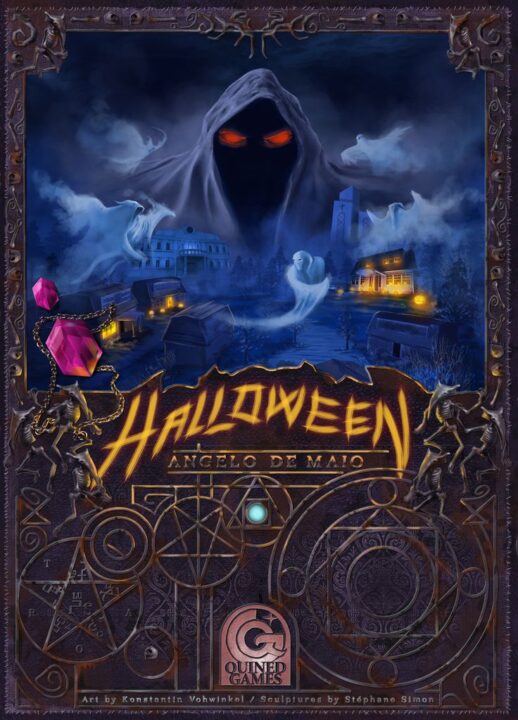

Welcome to my review of Halloween, a spooky board game where smart choices, lucky breaks, and creepy fun all fight for attention. After several games with friends, I found a smooth, tasty mix of strategy and chance that works best with three players. The mood hits nicely, though a few small details may bug keen-eyed players. Grab your treats, ignore the dodgy costume, and let’s see if this game deserves a place on your shelf.
How It Plays
Setting up
Give each player their starting cards and place the main deck in the middle of the table. Shuffle the spooky cards, set out the shared pieces, and choose a first player. Try not to eat all the candy before the game starts. I failed this step once.
Gameplay
Players take turns drawing and playing cards to build their Halloween scene. Each card can add points, trigger an effect, or cause trouble for another player. Read the card text carefully, since timing matters. After resolving the action, the turn moves clockwise.
Winning the game
When the game reaches its end, players count the points from their cards and completed goals. The player with the most points wins and earns the right to make one terrible monster pun. If players tie, the tied player with the most completed goals wins.
Want to know more? Read our extensive strategy guide for Halloween.
Halloween Board Game Theme and Spooky Atmosphere
A Night of Mischief and Moonlight
Halloween in this game feels less like a cheap plastic scare and more like a walk through a busy haunted town. The art packs every corner with crooked houses, grinning pumpkins, black cats, and clouds that look ready to bite. Nothing screams for attention too loudly, so the table builds its own creepy mood while we play.
The best touch is the way the game turns familiar Halloween bits into small stories. A haunted house does not sit there as flat decoration; it hints at trouble. A pumpkin can feel cheerful one turn and suspicious the next. My friends started naming the figures, which says plenty about the art. We had “Captain Cobweb,” “The Taxman,” and one ghost who looked like he wanted a sandwich. That silly detail kept the mood light without draining the spooky fun.
The colors do quiet work. Purple shadows, sickly greens, and warm orange lights make the board pop without turning it into a noisy mess. I could read the scene across the table, despite cards and snack crumbs crowding the map. This contrast helps players stay in the story, not stare at a gray swamp of symbols. The pieces feel sturdy, adding a nice clack when someone drops a monster nearby.
Still, the atmosphere has one weak spot. Repeated visual jokes lost some bite. The game looks rich, but it does not surprise the eye. More odd props or stranger monsters would freshen repeat plays. Some tiny text hides in darker art. I used phone light twice, looking less like a hero and more like a dad hunting for a remote. Next, Rules and gameplay flow will test whether this creepy charm survives once the cards start moving.
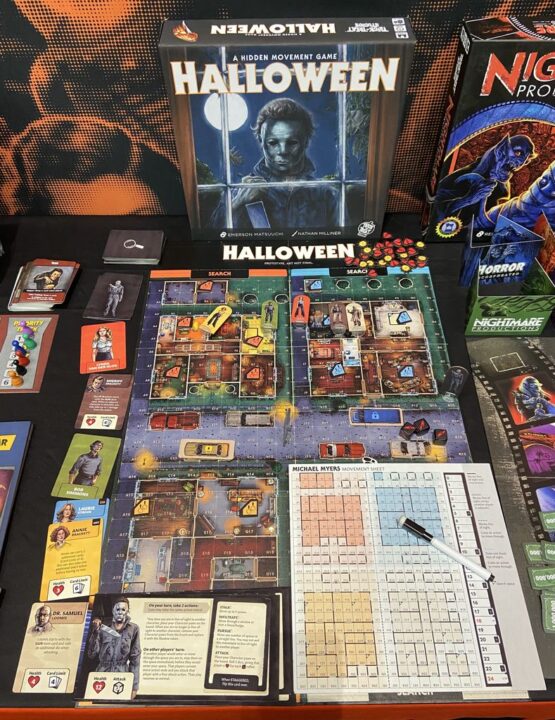
Halloween Rules and Gameplay Flow Review
Simple Turns, Strong Choices
Halloween gives each player a small hand of cards and a clear job: build the best spooky display before the deck runs dry. On a turn, you draw one card, play one card, then refill your hand. Cards show rooms, monsters, props, and special effects. Most symbols connect neatly, so new players learn the core loop after one round. My friends picked it up fast, although Ben spent five minutes trying to make a haunted coat rack do something useful.
A Smooth Round Structure
The flow feels tidy without feeling dull. Each turn gives you a small choice: improve your own display, block a rival, or save a card for a stronger combo later. The round ends when the draw pile empties, which keeps games moving and stops the table from turning into a spooky swamp. Scoring comes after players check sets, links, and bonus cards. The rules explain most cases well, but a few card effects need a second read. I also found the icon guide a bit cramped; my group asked me to confirm two timing rules in our first game. Still, the teach is quick, and the game rarely stalls.
That clean rhythm makes Halloween easy to bring out after dinner, even when nobody wants to read another rulebook, but our next section tests whether smart choices can consistently beat the luck hiding behind those cheerful cards and surprise effects lurking there.
A Halloween Luck Versus Player Strategy Review
Halloween gives players a spooky push and pull between luck and smart choices. Each turn can hand you a useful card, a nasty surprise, or a blank moment when the deck decides to act like a cat near a vacuum. That random swing keeps the table lively, but it never fully steals control from the players. You still choose when to press your luck, when to play a safer move, and when to stop before the haunted house bites back.
Where Luck Bites
Luck feels fair here because everyone faces the deck, rather than one player receiving powers or fortune. My friend Nina once pulled three weak options in a row and still won by saving her strongest effect for the final scare. That moment made us cheer, then grumble when she explained it.
Smart Choices Matter
Still, Halloween can wobble if the cards pile up in one player’s favor. A lucky chain feels great for the person holding it, yet less fun for everybody else. The game offers enough choices to recover, but not enough to erase every unlucky draw. I prefer that balance to a pure coin flip, though I would love a few more tools for players stuck in a cold streak. That small safety net would reward planning without turning every scare into a math lesson for everyone. Next, I’ll check Replay value and player count to see whether the scares stay fresh or just invite the same three ghosts back.
Halloween Replay Value and Best Player Count
The Right Crowd Makes Halloween Shine
Halloween feels most at home when a crowd gathers around the table. With three players, everyone gets enough room to make their mark without waiting ages for the others to finish. Four players adds more chatter and makes the table feel like a Halloween party, though the shared space can become a bit snug.
At two players, Halloween still works, but the room loses some of its spark. The game becomes easier to read, yet the table can feel strangely quiet. My partner and I tried this count on a rainy Tuesday, and we finished quickly, then stared at each other like two ghosts waiting for a sequel.
Replay Without Repetition
The replay value comes from changing who joins your group and how each person approaches the session. That social mix keeps repeat sessions from feeling like carbon copies. Our group played across three weekends, and the game felt fresh each time because the table mood changed. Variety keeps repeat visits fresh.
I would avoid a huge group, unless you enjoy explaining things while five people talk over you. With more players, downtime grows, and the spooky fun can fade before your next chance to join in. Halloween feels strongest at three or four, remains solid for two, and rewards groups that enjoy a lively night together.
If you want a game that earns repeat visits through changing company and table talk, Halloween has plenty to offer. I recommend it for two to four players, with three as my sweet spot; larger groups may need patience, snacks, and a loud voice. That makes Halloween an easy pick for gatherings, especially in October, and beyond.
Conclusion
This concludes my review of Halloween. After several games with friends, I found a fun, spooky game with smooth turns, strong atmosphere, and enough strategy to keep everyone involved. Luck can swing a round now and then, but smart choices still matter. It plays best with three or four people, while two-player games feel a bit quieter. A few cramped icons and repeated visuals hold it back from being a true treat, but Halloween still earns a spot on the table. Just keep the candy bowl nearby. I ate half of ours before the second game even started.