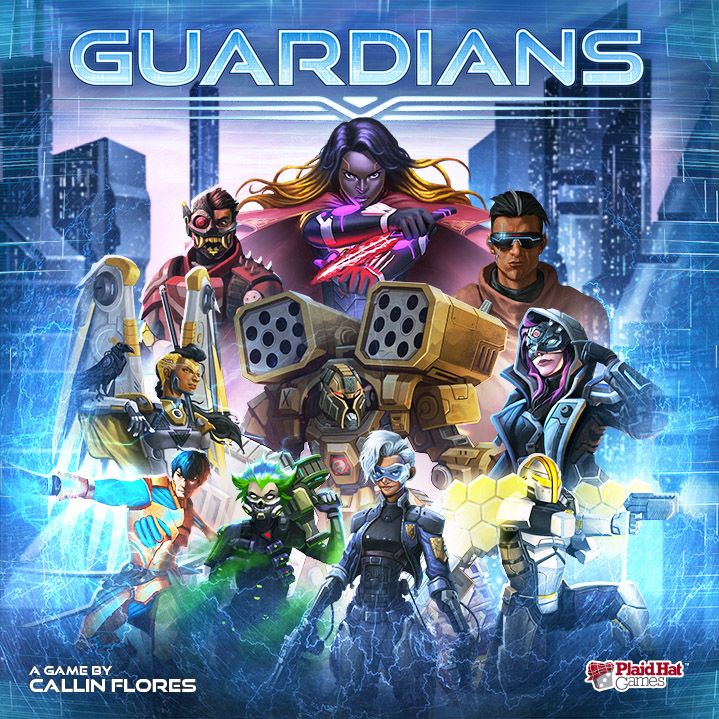
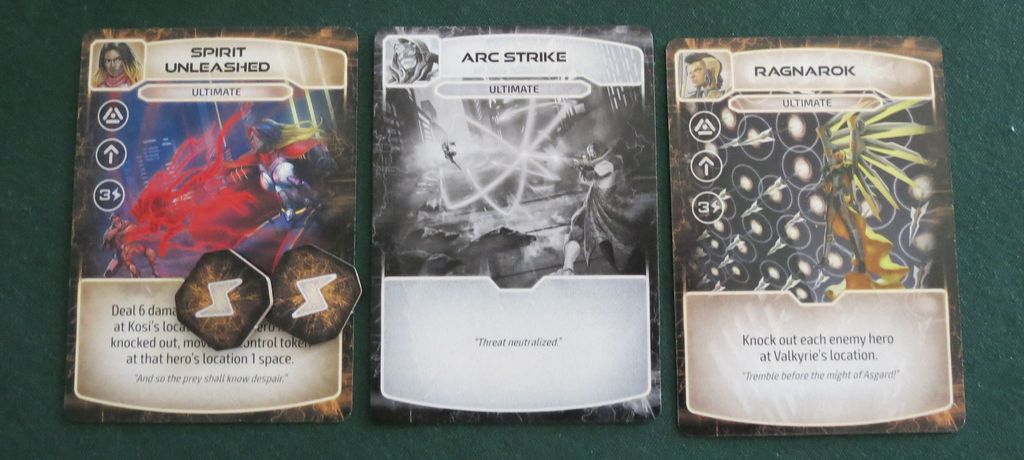
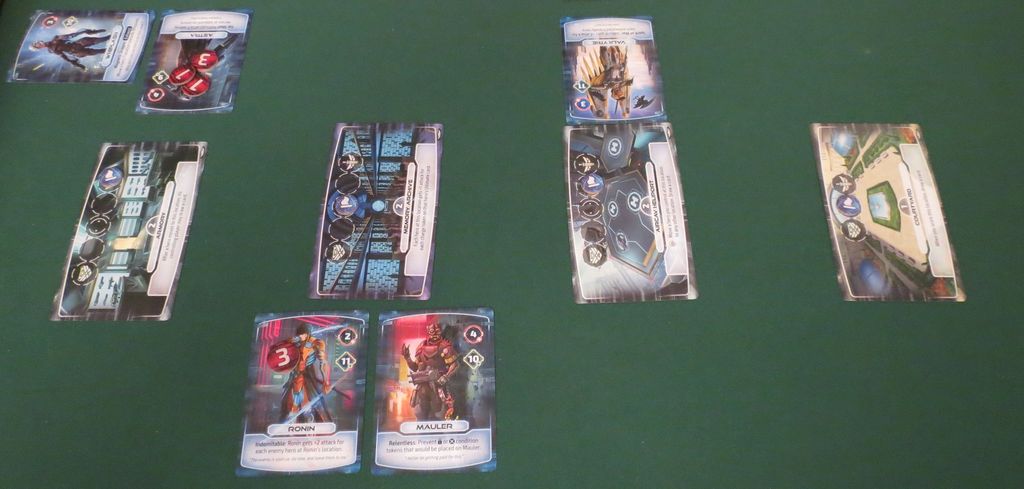

This review comes after several noisy evenings with friends, too many snacks, and one heroic plan that fell apart in about three minutes. Guardians mixes teamwork, tough choices, and just enough luck to keep everyone alert without making strategy feel pointless. We tested its rules, balance, table talk, replay value, and bits, including the cards that somehow vanished under the sofa. It offers plenty to like, though a few rough edges stop it from reaching the top shelf.
How It Plays
Setting up
Choose your Guardian, take its cards and tokens, then place the shared board in the middle. Set up the threat deck and reveal the first danger. Give each player a clear role, unless your group enjoys arguing over who gets the cool power.
Gameplay
Players take turns using actions to move, fight threats, help allies, and activate special powers. After everyone acts, the threat phase brings new problems onto the board. Good timing matters, since wasting a power early can leave the whole team in a soggy mess later.
Winning the game
The team wins by completing the current objective before the threat deck, danger track, or other loss condition gets the better of you. If the final threat overwhelms the group first, everyone loses together. So yes, blaming Dave is allowed, but it will not improve the score.
Want to know more? Read our extensive strategy guide for Guardians.
Core Gameplay and Rules in Guardians
How a Round Works
Guardians puts each player in charge of a small team of heroes. Each round starts with a quick check of cards, energy, and mission goals. We choose actions by playing cards or using powers already on the table. The rules feel simple, but my first game left us staring at icons like sleepy cats again.
On each turn, players may move, attack, defend, gather resources, or trigger a special effect. Movement follows spaces or zones shown on the board. Attacks use range and damage printed on cards. We resolve one action at a time, so nobody needs a referee with a whistle. When enemies fall, rewards unlock options or help finish the mission. Every choice feels useful, even when my plan becomes “hit and hope.”
Rules That Matter at the Table
Guardians uses clear phases for upkeep, action, and cleanup. During upkeep, we refresh effects and collect scenario rewards. The action phase handles movement, attacks, and card play. Cleanup removes temporary effects, checks defeated enemies, and prepares the next round. This tidy loop helps new players join without a long lecture from the friend who read every box insert. A game should teach through play well.
The key timing rule says effects work only when their timing matches. A card that boosts the next attack cannot rescue one already finished. My friend Ben tried that twice, and the table corrected him with rude joy. Players also track threat and damage, since ignored enemies can punish the team during cleanup. This shared danger gives Guardians a strong team feel. Next up: Balance, luck, and strategy, where we’ll see whether clever plans sing or squeak like goblins in boots together.
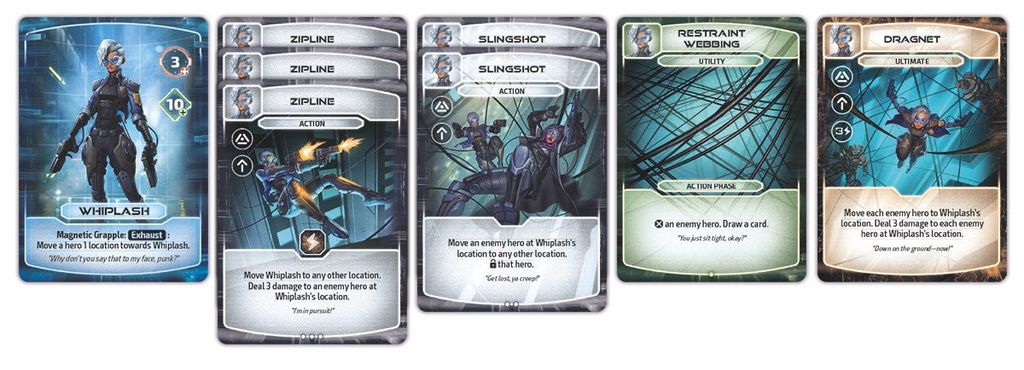
Balance, Luck, and Strategy in Guardians
Fair, Not Flat
Guardians gives each player a strong path to power, but nobody gets a free win. In my games, one friend built a clever engine while another chased shiny bonuses. The gap looked scary, yet the board kept both players close. That felt fair, not fake. A smart choice mattered more than a lucky pull, and a bad turn did not wreck the whole match. Guardians rewards planning without making new players feel lost.
Luck with Limits
Luck still sits at the table, as it should in a card game. I have seen a lucky draw rescue a weak plan, but I have also watched bad luck pile up. The key point: players can bend luck with timing and careful use of their powers. You rarely lose because of one random result alone. That keeps Guardians tense without making each choice feel pointless. My friends groan at rough draws, then hunt for a way around them.
Plans Beat Panic
Strategy changes with the group. Against cautious friends, I save risks and build steady gains. Against bold players, I hold back, then strike when they overreach. This gives Guardians a nice shape: simple turns hide tricky plans. Still, a few powers feel too useful when the right cards appear, while weaker options gather dust. I would like a small tweak to narrow that gap. It never ruined our sessions, but one player did sigh loudly into his pizza.
Replay value comes from choices, not wild luck. Each match asks you to read the table and pick a route. I enjoy that puzzle more than chasing miracles. Guardians suits groups that want a fair contest, though luck-haters may grumble. Next up, player interaction and teamwork bring balanced plans to life.
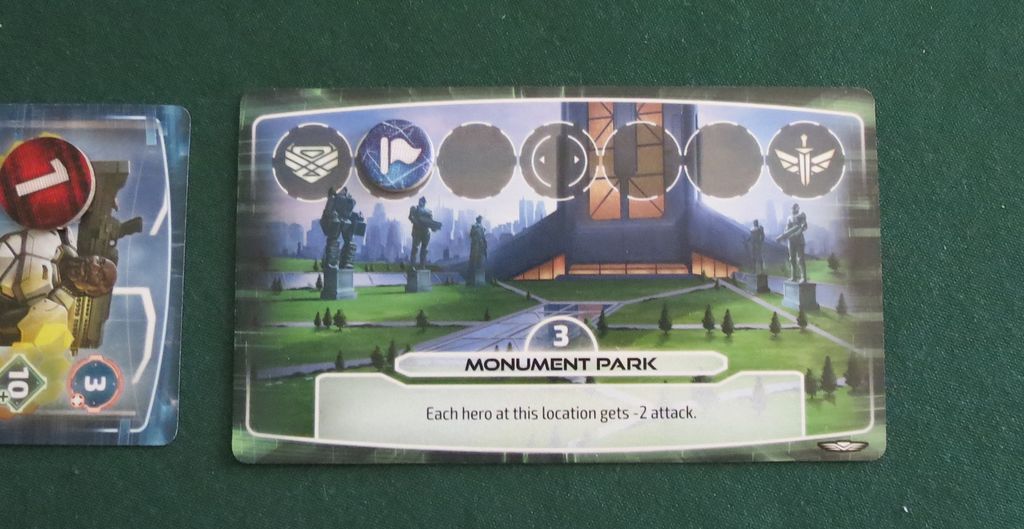
Guardians Review: Player Interaction and Teamwork
Guardians works best when everyone talks, listens, and owns a useful job at our crowded kitchen table. In our four-player games, we constantly shared clues, warned friends about risky moves, and laughed when someone forgot the plan five seconds later. The game rewards clear chat without forcing players to follow one script. That balance kept our table lively, even when our team made a spectacularly daft choice.
Talk, Then Act
Each player can bring a different view to the table, so the team gains more from discussion than from silent card counting. We found that quieter players still mattered because their warnings often caught details the loudest planner missed. Guardians creates small moments where one person spots a threat, another suggests a fix, and a third takes the risk. That chain feels satisfying, like a tiny rescue crew wearing matching capes. after a long night.
Watch the Alpha Player
However, cooperation can wobble when one confident player starts issuing orders. Our group had one heroic backseat general who tried to run every turn from his chair. We gently confiscated his imaginary whistle, then used a simple rule: everyone gets space to suggest a choice, but the player handling the moment makes the final call. This kept the game social instead of turning teamwork into a committee meeting with cardboard. Guardians supports debate, yet it does not fully stop a dominant voice. New groups may need to set that ground rule before the first crisis arrives at all.
Next, I’ll check Replay value and components to see whether Guardians earns permanent shelf space.
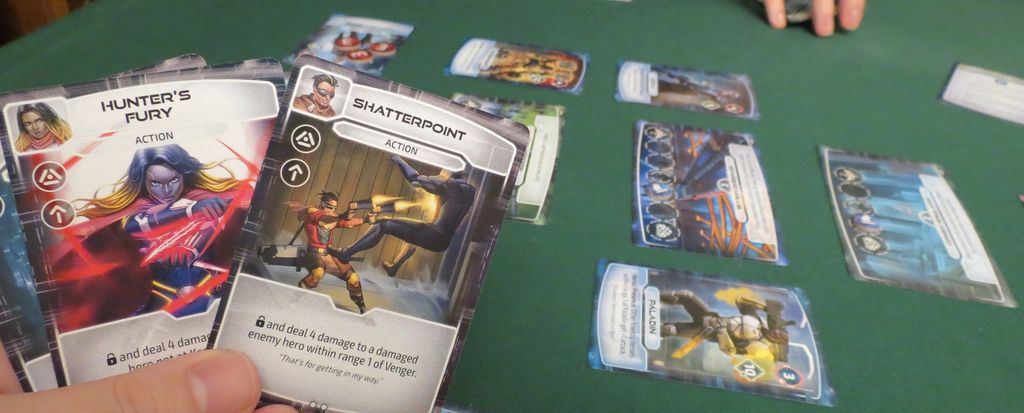
Guardians Replay Value and Component Quality
A Game That Keeps Its Cape Handy
After three evenings with Guardians, I still wanted another round. That says a lot, since my group often abandons a game once the snacks vanish. The changing mix of guardian powers, mission cards, and enemy layouts gives each session its own shape. We found new card effects and odd little twists on every play, which kept the game from feeling like a reheated pizza.
Its replay value comes from variety rather than a huge rulebook. Different guardians suit different moods, and the mission deck gives the game a nice shuffle of goals. Some sessions felt smooth and heroic. Others became a scrappy rescue job where everything looked doomed until the final turn. Guardians also works well with a regular group, because players can try new roles without needing to learn the whole game again. That helps the box earn space on a crowded shelf.
Solid Pieces, Bright Style
The components make a good first impression. The cards use bold art and clear symbols, so the table looks lively without becoming a mess of tiny details. The guardian boards feel sturdy, and the tokens have enough weight to stop them from skittering under the sofa. We did find a few cards that could use slightly larger text. My friend Dave read one upside down for nearly five minutes, then blamed the lighting. Dave was sitting beside a lamp.
The box has plenty of room, though a small insert or bag labels would make cleanup quicker. Sleeved cards may also need their own storage plan. Still, the parts feel durable enough for regular play, and the artwork gives Guardians a strong comic-book charm.
I recommend Guardians for groups that want a game with lasting variety, friendly table presence, and components that mostly earn their keep.
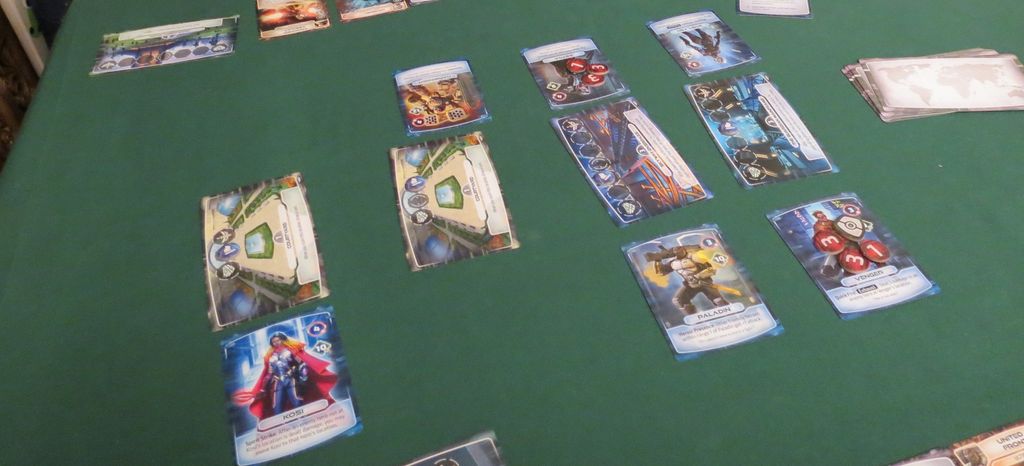
Conclusion
This concludes my review of Guardians. After several games with friends, I found a fun co-op with smart choices, good teamwork, and enough variety to bring it back to the table. The luck never ruined a game for us, though a few powers felt stronger than others. The components look great, the rules stay fairly clear, and the shared win-or-lose system keeps everyone involved. Guardians does have a few rough edges, but it delivers a solid team game with plenty of tense moments and table talk. Just keep one bossy player away from the rulebook, or they may try to run the whole galaxy. I happily recommend it.