
How To Play: Guardians
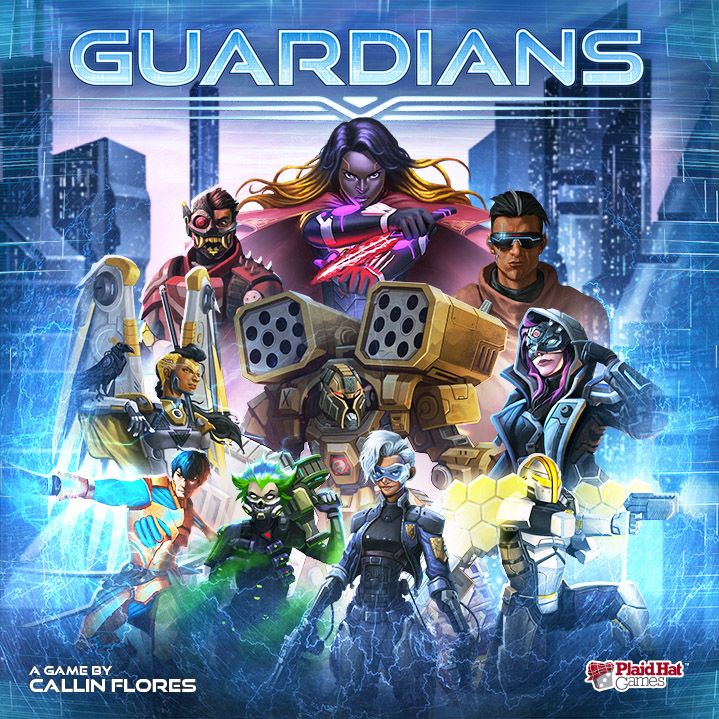
Guardians is a team-based strategy game where players use unique powers, protect key areas, and work together against rising threats. On each turn, move your characters, play abilities, manage resources, and complete objectives. Good teamwork matters, because charging ahead alone usually ends with someone blaming the dice.
Overview
Guardians turns every choice into a test of teamwork, timing, and nerve. This guide gives you a clear outline of the game rules, explains how each turn works, and shares the best strategies for winning. Grab your team, watch the board, and prepare to defend your path.
What’s in the box
- Please specify the publisher or edition of Guardians.
How To Play Guardians: Rules Summary
Guardians challenges players to work together, manage their powers, and protect the team from danger. First, players prepare the game area. Next, they take turns using their Guardians and abilities. Finally, the group wins by completing the main objective before the threats overwhelm them. Keep the rulebook nearby, because some Guardians use special powers that bend the normal rules a little.
Setup: Prepare Your Guardians
- Place the main board in the middle of the table. Make sure everyone can reach the cards, tokens, and dice.
- Choose one Guardian for each player. Take that Guardian’s card, figures, tokens, and starting items.
- Shuffle the enemy, event, and equipment decks separately. Place each deck in its marked area.
- Set the enemy figures, damage tokens, objective markers, and other shared pieces beside the board.
- Read each Guardian’s ability before play begins. This step saves time later and stops players from arguing over tiny cardboard powers.
- Choose the starting player. Then, place the Guardians in the starting area shown by the scenario.
- Read the scenario or mission card aloud. It explains the goal, starting threats, and any special setup rules.
Gameplay: Take Turns and Work Together
- Follow the turn order shown by the scenario. Usually, the active player completes their Guardian turn before the next player acts.
- Use the actions allowed by your Guardian. These actions may include moving, attacking, defending, collecting items, helping allies, or interacting with objectives.
- Spend action points carefully. For example, move into range before attacking, unless a special ability lets you attack from far away.
- Resolve attacks by following the attack value, defense value, and dice or card rules. Apply damage immediately after resolving the attack.
- Use Guardian abilities when their timing allows it. Some powers work during your turn, while others help an ally or cancel danger.
- Coordinate with the other players. Therefore, one Guardian can draw attention while another completes an objective or heals a teammate.
- After every player acts, resolve the enemy or threat phase. Activate enemies, draw events, and advance any danger tracks as the scenario instructs.
- Continue taking player and threat turns until the players complete the mission or trigger a loss condition.
Winning: Complete the Mission
- Read the victory conditions on the scenario card. These conditions tell you exactly what the team must achieve.
- Complete every required objective before the threat deck, danger track, or scenario timer ends.
- Protect any character, location, or item listed as part of the victory goal. Losing one may end the game at once.
- Announce the win as soon as the team meets all victory conditions. Do not keep playing just to show off; the enemies already feel bad enough.
- If the team fails a required goal, follow the loss rules even if the Guardians still have health remaining.
Special Rules & Conditions: Watch for Exceptions
- Follow the text on cards, Guardian boards, and scenario sheets before the basic rules. Specific effects take priority over general rules.
- Track damage with tokens or dials. When a Guardian reaches their damage limit, apply the knocked-out or defeated rule shown by the scenario.
- Resolve each effect in order. If two effects happen at the same time, the active player chooses the order unless the scenario says otherwise.
- Keep temporary effects visible. Remove stun, shield, bonus, and penalty markers when their listed duration ends.
- Do not share items, actions, or abilities unless a card clearly allows it. Teamwork helps, but the rules still guard the cookie jar.
- Use line-of-sight, range, movement, and terrain rules whenever the board includes those features.
- Apply scenario-specific rules for hazards, reinforcements, timed events, and sudden losses. These rules can change how a normal turn works.
- When a rule remains unclear, use the scenario text first, then the card text, and finally the core rulebook. Record the choice and use it consistently for the rest of the game.
Best Guardians Strategies
Turn Every Guardian Into a Winning Weapon
Also, watch the board before spending abilities. My mate once wasted his strongest move on a tiny threat. We still mock him.
Protect the Team
- First, place defensive Guardians near fragile allies.
- Then, save shields for attacks that can swing the round.
Control the Fight
- Next, use slowing or stunning abilities on key enemies.
- Meanwhile, force rivals away from useful spaces.
Strike With Purpose
- Choose damage abilities when an enemy cannot escape.
- Finally, combine attacks instead of firing them one by one.
Adapt Quickly
- However, change roles when the board shifts.
- Therefore, track cooldowns and keep one answer ready.
Build a Team That Works Like a Well-Oiled Goblin
After three nights playing Guardians with friends, we found that balanced teams win more often than four loud damage dealers.
Build a Core
- Choose one sturdy frontliner, then pair them with a healer or shield user.
- Next, add a ranged attacker who can punish enemies while the frontline holds space.
Match Abilities
- First, check cooldowns before battle, so allies chain stuns instead of wasting them together.
- Also, combine movement tools with area attacks; this traps foes nicely.
Adapt Midgame
- However, swap one role when an enemy counters your plan.
- Finally, stay close enough to share buffs, but spread out against blasts. That smart spacing saved us twice.
Win the Moment: Move Smart, Strike First
After several Guardians matches with friends, I learned that good movement wins more games than wild attacks. Therefore, plan each turn before the action starts.
Hold Strong Positions
- Claim cover near key objectives.
- Keep escape paths open.
Time Every Move
- Wait until enemies waste major abilities.
- Then attack while their options shrink.
Control Objectives
- Reach the objective early.
- Force opponents to approach you.
Adapt Quickly
- Watch the map constantly.
- Rotate when danger appears.
Finally, stay patient.
Play Smart, Stay Flexible, Win the Fight
Guardians rewards players who think ahead, work together, and avoid charging in like a hero in a bad action movie. Keep your team’s roles clear, watch the board, and save key abilities for the moments that matter. In my games, the teams that adapted usually beat the ones with the flashiest plan. Talk often, protect your weak spots, and don’t forget the main objective while chasing small wins. With a little practice, Guardians becomes less about guessing and more about making sharp choices at the right time. Now gather your crew, make a plan, and show the table who really protects the realm.
Want to know what we think of Guardians? Read our detailed review of Guardians here