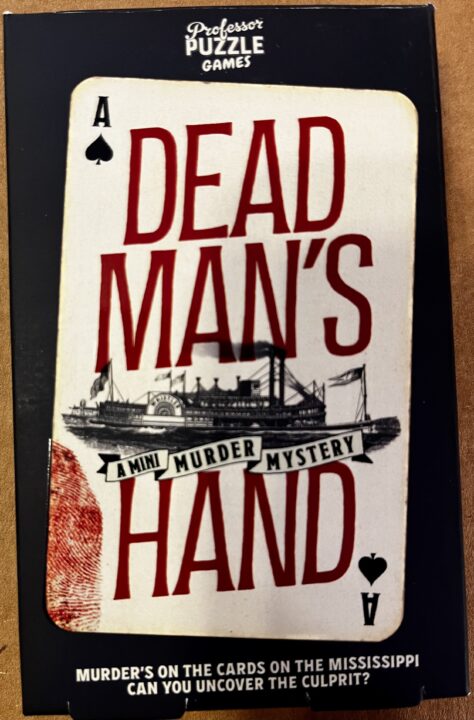

If you ever wanted to feel like a Wild West outlaw without risking your actual neck, then saddle up, partner—because I’m reviewing Dead Man’s Hand. I wrangled my usual group into a showdown and we played this card-slinging game more times than I’d like to admit (sorry, Mom, dinner’s cold!). In this review, I’ll give you the lowdown on the chaos, strategy, art, and whether you’ll be cheering or flipping the table by the last round. Grab your hat, buckle your boots, and let’s see if this game is a legend or just a tumbleweed blowing by.
How It Plays
Setting up
First, everyone grabs ten cards from the deck. Yes, you get to feel like a sneaky poker player. Lay out the special cards in the middle and hand each player their stash of chips. Put the rest of the deck within easy reach, and make sure nobody has a mirror up their sleeve (I learned that the hard way—thanks, Dave!).
Gameplay
Each round, players try to build poker hands from their cards. You take turns drawing, playing, or swapping cards, all while making deals, bluffing, and trying to keep a straight face. Playing special action cards lets you mess with other players or boost your own hand. Table talk is encouraged—I once convinced my friend Ethan to swap me his best card by promising him pizza. (He never got pizza.)
Winning the Game
The round ends when everyone reveals their poker hand. The best poker hand wins the round and snags the pot of chips. Keep playing rounds until someone hits the winning chip total—usually set before you start. That person is crowned the fastest gun in the West, at least until the snacks run out.
Want to know more? Read our extensive strategy guide for Dead Man’s Hand.
How Dead Man’s Hand Nails Player Interaction and Strategy (Or Misses the Mark)
If you want a game where sitting quietly in the corner wins, Dead Man’s Hand will eat your lunch. This game is all about calling bluffs, testing friendships, and sending your friends home thinking about all their bad decisions. Player interaction sits right at the heart of it. You can’t turtle behind a pile of chips or hide behind strategy guides—your every move depends on reading those shifty eyes across the table.
Last Saturday, my friend Tony stared at me so hard I forgot my own name. I was about to play a winning card, but then he whispered, “You sure about that, Jamie?” Next thing I knew, I panicked and lost the round. That’s the kind of psychological warfare you can expect. The table talk is half the fun, even if the insults are older than the Wild West theme. You’ll laugh, grumble, and, in my case, threaten to make everyone play Monopoly next time.
Strategy matters, but you won’t need a PhD in chess to survive. Smart card counting helps, but you’ve also got to juggle timing and bluffing. Mixing gutsy moves with safe plays keeps everyone guessing. My buddy Sarah always pretends she’s confused, then sweeps the table with a sly grin. Beware the quiet ones!
Still, the real magic is how much every player shapes the action. If you love games where every decision makes the room groan (or cheer), Dead Man’s Hand serves it up. If you hate getting tricked by your best pals, maybe stick to checkers. Next up, let’s see if Dead Man’s Hand keeps things fair, or if it’s just stacking the deck in someone’s favor!
Is Dead Man’s Hand Fair? Balancing Luck with Grit
So, here’s the juicy bit: just how balanced is Dead Man’s Hand when the chips are down? After a few lively sessions with my pals—most of whom have deadlier poker faces than an actual undertaker—I noticed something. Dead Man’s Hand likes to blend strategy with luck, but sometimes the deck feels like it’s been out drinking with Lady Luck all night. One round, I thought I was sitting pretty, and the next moment, the cards had other plans for me.
Now, I love a game that lets wits shine, but Dead Man’s Hand can let a random draw shake up the whole table. Some rounds, the best-laid plans get booted out the saloon because someone just top-decked the perfect card. It’s exciting, but maybe not if you’re the kind of player who wants your clever plans to matter most. My friend Jenny, a control freak when it comes to games, scoffed so loud I’m still finding echoes in my house. She hates when luck takes the reins from skill.
On the brighter side, if your group likes a game where everyone has a chance, even the poor soul who can’t plan ahead, Dead Man’s Hand is fair, but it’s not always predictable. No one can steamroll the table by being simply smarter. Fair? Yes, in a wild west kind of way—just don’t expect chess-level balance.
Next up, let’s mosey on over to the real show-stopper: the gunslinging theme and artwork. Spoiler: there are hats. Lots of hats.
Theme and Artwork: A Wild West Showdown on Your Table
I’ll be honest, if you invite me to play a board game called Dead Man’s Hand, I expect dust, danger, and that classic Western showdown vibe. Luckily, this game brings all of that straight to your table—and without the threat of actually getting shot at by an angry cowboy.
The first thing you notice is how the cards look like they were fished out of an abandoned saloon. There’s this weathered, sepia-tinged style that really makes you want to shout “Yeehaw!” every time you pick up a hand. The illustrations show tough-talking outlaws, sly gamblers, and enough hats to make a haberdasher blush. Sure, some of the faces look a bit like my attempt at drawing after three cups of coffee, but it adds to the charm. You can tell the artists had fun with the grit and flair of the Old West.
What really makes Dead Man’s Hand stand out is how the art and theme weave together. There’s a real sense of rivalry and surprise, like you’re leaning forward over a sticky bar table with too much at stake. The symbols are clear and bold, which cuts down on any “wait, what does this card do again?” confusion. My friends and I even joked about getting fake mustaches just to get into character. (I can confirm, mustaches do improve the experience. Bonus points if you try an accent.)
The flavor text is also pure gold—if you read it out loud in your best Western drawl, you’ll be the hero of game night. Next, I’ll wrangle with how many times you’ll want to revisit this high-noon hootenanny and whether it’s better as a quick shootout or an all-evening standoff. Saddle up, partners!
Replay Value and Session Length: Can Dead Man’s Hand Keep You Around?
Let me be honest – if a board game overstays its welcome at my table, my friends start eyeing the snack bowl more than the cards. Luckily, Dead Man’s Hand does not let boredom settle in. Most games with my group clocked in at around 30 to 40 minutes. That’s enough time for fun, but not so long I get the urge to check if my plants need watering.
The replay value gets a nice boost from the card variety and the different ways to play your hand. The game is not just about winning—it’s about how much you can mess with your friends along the way. Trust me, throwing a sneaky move across the table never gets old. There are enough sneaky tricks and twists in Dead Man’s Hand that each game feels fresh, even after several plays. My buddy Steve tried the same “clever” tactic three sessions in a row. He lost every time, and yet, the next round, he tried it again. That’s staying power, folks.
If you’re someone who likes long, drawn out epics, this might not be your jam. But if you want a snappy, scheming, and replayable shootout, Dead Man’s Hand delivers. I’d say the replay value here is stronger than a triple espresso.
Would I recommend it? If you have a group that likes laughing and causing chaos in a swift western brawl, absolutely. You should probably saddle up and add this to your shelf.
Conclusion
Well partner, that’s it! My Dead Man’s Hand review has reached the final round. If you want a quick, rowdy card game with lots of bluffing and laugh-out-loud moments, this game draws a winning hand. The Wild West style, clear artwork, and rapid sessions make it a hootin’ good time for groups who love table talk. But if you like games to be chess-level fair and don’t enjoy losing because of a random draw, you might want to holster this one and keep looking. For everyone else? Shuffle up, deal ’em out, and prepare to call your friends out as outlaws. Thanks for reading, and see you at the saloon table!