
How To Play: War and Peace
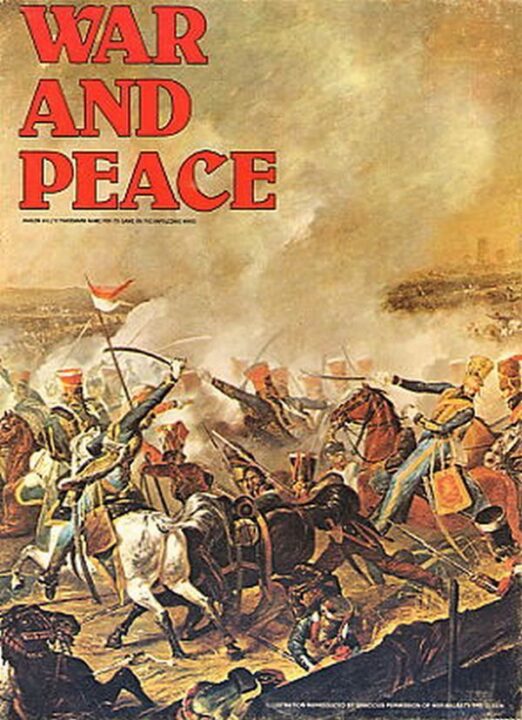
War and Peace is a tense strategy game where players lead armies, manage resources, build alliances, and fight for control. Each turn brings tough choices: advance, defend, negotiate, or save supplies. Plan ahead, watch your rivals, and pick battles carefully to claim victory without wrecking your own side.
Overview
War and Peace turns grand history into a tense contest of armies, alliances, and tricky choices. After playing it with friends, I found that every turn asks you to balance bold attacks with careful planning. This guide contains an outline of the game rules, so you can get started without waving a white flag. It also shares the best strategies for winning, whether you prefer clever diplomacy or glorious battlefield chaos.
What’s in the box
- 1 game map
- 2 counter sheets
- 1 rulebook
- 2 player aid cards
- 2 six-sided dice
How To Play War and Peace: Rules Summary
War and Peace puts you in charge of armies during the Napoleonic Wars. One player leads France, while the other commands the Allied powers. First, build your forces. Next, move, fight, and manage your supplies. Finally, control key places to win.
Setup
- Choose a scenario. Each scenario sets the game length, starting armies, and victory goals.
- Pick sides. One player controls France, and the other controls the Allied powers.
- Place the map, counters, cards, markers, and dice where everyone can reach them.
- Put each army and leader on the spaces shown in the scenario rules.
- Set the turn marker and victory markers. Then shuffle the cards and deal each player the stated hand.
- Read the scenario notes before play. They may change setup, reinforcements, or special goals.
Gameplay
- Begin each turn with the reinforcement and card steps. Add new units and draw cards as the scenario directs.
- Next, check supply. An army needs a valid supply route or it may lose strength or movement.
- Move your armies through connected spaces. Follow terrain, movement, and enemy zone rules.
- When an army enters a space with an enemy, resolve combat before moving on. Roll dice and apply leader, unit, terrain, and card effects.
- Remove defeated units, retreat when required, and mark captured locations.
- Resolve events and political effects after combat. Then pass the turn to the other player.
- Continue in order until the scenario reaches its final turn or a player meets an early victory goal.
Winning
- Check the scenario victory rules first, because each scenario may score the war in a different way.
- Usually, you score by holding important cities, defeating enemy forces, and completing special goals.
- At the end of the final turn, count victory points and apply any listed bonuses or penalties.
- The player with the most points wins. If the score ties, follow the scenario tie-breaker.
- Some scenarios allow an instant win when one side captures a key location or destroys a vital army.
Special Rules & Conditions
- Leaders improve movement or combat only when the rules place them with the right army.
- Terrain can slow movement and protect defenders. Therefore, check the space before starting a battle.
- Supply matters. An isolated army may suffer losses, lose movement, or fail to attack.
- Cards can change battles, movement, politics, or reinforcements. Play each card only during its listed step.
- Weather, winter, disease, and unrest may hurt armies at set times. Resolve these effects before the next turn begins.
- Follow scenario rules whenever they clash with the basic rules. The scenario acts like the boss of the rulebook.
- Keep defeated units, discarded cards, and captured spaces clear on the table. Good table order prevents arguments and saves friendships.
Best War and Peace Strategies
Win the Map Before It Wins You
First, protect supply lines. Next, spend only when each move gains ground. Then, keep a reserve for surprises.
Army Size
- Build units near fronts.
- Avoid stacking soldiers in safe areas.
- Replace losses before attacks.
Resource Flow
- Gather income early.
- Save enough for repairs.
- Cut upgrades.
Positioning
- Hold crossings and towns.
- Move through regions.
- Retreat before defeat grows costly.
Final Check
- Count supplies every turn.
- Check enemy strength.
- Act when support arrives.
Choose Allies Like a Fox, Not a Golden Retriever
Choosing alliances wisely can turn War and Peace into a victory march.
Read the Table
- Read each player’s goals before offering help.
- Then support the rival who blocks your strongest enemy.
Trade with Purpose
- Offer resources only when the deal improves your position.
- Also demand a clear return, not vague promises.
Keep an Exit
- Never give an ally every useful unit.
- Instead, hold a reserve so betrayal does not wreck your plan.
Break Cleanly
- When an alliance stops paying off, end it before your partner grows too strong.
- Finally, strike quickly and claim the reward.
Win the Moment: Timing Battles and Diplomacy in War and Peace
Watch the Table
First, study rival before you strike.
- Track exposed borders.
Apply Quiet Pressure
Next, use diplomacy to delay strong players. Promise help, however, keep options open and avoid deals that force your hand.
- Offer favors first.
Strike with Purpose
Finally, attack when rivals clash. Then retreat if the fight drains position. Afterward, repair trust with words because grudges last.
- Check escape routes.
- Wait for a safer opening before attacking.
Win the War, Then Survive the Peace
War and Peace rewards calm plans, sharp timing, and just enough nerve to bluff your friends. Manage your armies, protect your resources, and choose allies who look useful—not merely friendly. In my games, the player who chased every battle usually ended up broke and grumpy. The winner stayed patient, struck at the right moment, and kept diplomacy alive. Learn from each match, adjust your plan, and remember: even the best empire can fall because someone got greedy over one tiny border.
Want to know what we think of War and Peace? Read our detailed review of War and Peace here