
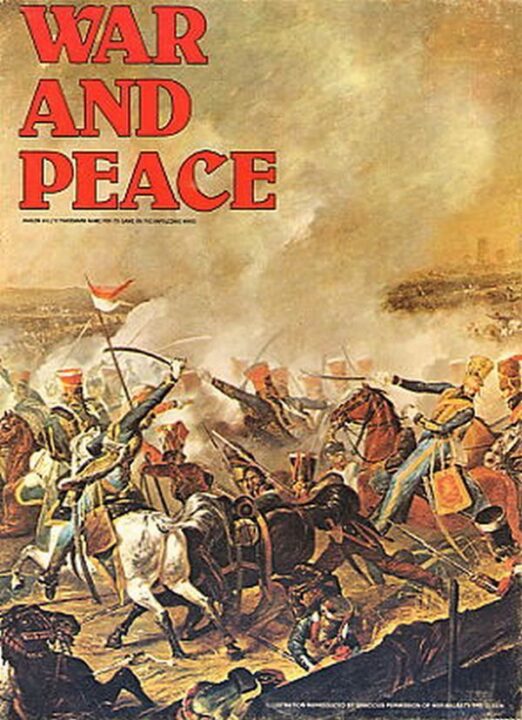
This review looks at War and Peace, a board game of grand plans, tense battles, and the odd moment when luck kicks your carefully built army down the stairs. Still, sharp dice swings and its longer play time may test your patience. So, grab a map, gather some brave friends, and let’s see if your strategy can survive contact with the table.
How It Plays
War and Peace is a large Napoleonic strategy game. One player leads France, while the other commands the Allied powers. You move armies, attack key cities, and try not to leave your supply lines in a sad little mess.
Setting up
Choose a scenario, then place the listed armies, leaders, political markers, and cards on the map. Each player takes their side’s pieces and checks the scenario rules. The full campaign takes a while to set up, so grab a drink first. Maybe two.
Gameplay
Players take turns moving armies across Europe, managing supply, and starting battles. Leaders affect movement and combat, while terrain and fortresses make some fights much harder. After movement, resolve battles with dice and modifiers. The game also tracks political events and reinforcements, so the war keeps changing as the turns pass.
Winning the game
Players score by controlling important areas and meeting their scenario goals. France usually aims to expand its power, while the Allies try to hold key cities and wear France down. When the scenario ends, the player with the better result wins. In other words, Napoleon needs more than a fancy hat and good luck.
Want to know more? Read our extensive strategy guide for War and Peace.
Historical Accuracy and Setting in War and Peace
A Map Shaped by Real History
War and Peace gives its setting real weight without turning the rulebook into a dusty school text. The game draws from the Napoleonic Wars, a time when armies crossed Europe, rulers changed sides, and one bad order could ruin a whole campaign. The board shows that wide, messy world well. Borders, roads, cities, and supply routes all matter, so the map feels like more than a pretty backdrop. It becomes the reason you make hard choices.
A strong army could still struggle far from home. Roads helped movement, while rough ground slowed our grand plans to a sad crawl. Winter also made us think twice before chasing glory. One friend ignored supply limits and marched deep into enemy land. His troops soon looked less like a mighty force and more like hungry tourists who had lost the hotel.
History Without Too Much Homework
The game does not copy every event with perfect detail, and that choice works in its favor. It gives players room to change history through smart play. You can follow familiar paths, but you can also create strange new ones. That balance keeps the game fun while still respecting the period. The names, factions, and military pressures feel suitable, even when the action takes a turn that history never saw.
My only small gripe comes from the broad view. Some events and leaders receive less detail than history fans may want. Still, the game captures the mood, limits, and tension of the era better than many titles in this style. It makes history feel active, not frozen behind glass. Next, we leave the history books behind and march straight into Battle tactics and strategy, where every clever plan waits to get punched in the face.
Battle Tactics and Strategy in War and Peace
Reading the Battlefield
War and Peace rewards players who think two turns ahead, then punishes anyone who treats cavalry like a shopping trolley. My friend Dave smiled, moved a small infantry group into position, and turned my grand attack into expensive horse confetti. The lesson hurt, but it stuck: every attack needs a route in and a plan for getting out.
Build a Real Plan
The game gives each side useful tools, but none of them solves a bad idea. Infantry hold ground well, artillery pressures a target, and cavalry punishes gaps. Still, units need support. An isolated attack usually ends with a neat little disaster, wrapped in a rulebook. I liked how the board made me watch roads, bridges, and supply lines instead of staring only at the biggest fight. One quiet move can block reinforcements or force an opponent to defend a place they had ignored.
Choices That Matter
That focus makes the strategy feel fair. Good players can recover from a weak start by changing the goal, not by praying to the cardboard gods. Maybe you cannot take the main city, so you cut its supply and win time elsewhere. That contrast gave us plenty to argue about after each turn, which is my favorite kind of table drama. War and Peace asks you to read the whole map, manage timing, and accept that a clever retreat can beat a brave advance.
The Next Battle
Next, Luck versus player control will decide whether clever plans or lucky rolls steer the battle.
Luck Versus Player Control in War and Peace
Dice With a Job
War and Peace gives luck a seat at the table, but it does not let chance drive the whole car. In my games, dice decided some attacks, supply draws, and sudden setbacks. I still had to choose where to spend resources, which front to support, and when to stop pushing my luck.
Choices Matter More Than Chance
The part comes after an ugly roll. You can often soften the hit with careful planning. Hold a reserve, protect a key route, or set a smaller goal before the dice start shouting. My friend Sam once lost a strong attack because he treated one good result like a personal invitation from destiny. He then blamed the table, the cat, and my snack choices.
Luck feels fair because both sides face the same risks, while timing gives room to recover. A poor draw may close one option, but it rarely ends your whole plan.
A Little Too Much Swing?
A tired army may collapse just when it needs one decent break. In a close match, that moment can feel rough, especially for new players who planned well. War and Peace could offer a few more ways to recover, perhaps through a reroll or retreat bonus. Still, I never felt powerless, and the game rewards calm choices.
Next, we will look at Replay value and game length, where the real test is whether War and Peace earns another evening on our crowded table.
War and Peace Replay Value and Game Length Review
Fresh Stories Each Time
War and Peace earns its table space through variety, not through a box full of cardboard guilt. Usually, by game three, Dave starts staring at the rulebook as if it owes him money. Here, the changing setup and player count kept each session fresh.
Playing With Different Groups
With two players, War and Peace feels focused and fairly quick. With more players, the table grows louder, slower, and much funnier. We spent longer choosing seats than playing one night, but that became part of the charm. Different groups also create stories. My cautious mate built a safe plan, then watched it collapse in spectacular fashion. He called this “replay value.” Good.
How Long Does It Take?
Game length stays manageable for a full session, though your first play will run longer while everyone checks effects and asks “can I do that?” The answer often becomes “yes, but read this tiny line first.” Once players know the flow, turns move at a steady clip. The final stretch feels satisfying rather than padded.
Is It Worth Replaying?
The best replay value comes from learning what your group enjoys. Some players chase bold moments, while others prefer tidy progress. War and Peace supports both styles without demanding a weekly appointment. I would not call it a casual filler game; it needs time, space, and friends willing to stay awake. Still, it gives enough variety to reward repeat plays.
I recommend War and Peace for groups who enjoy returning to a game and finding new ways to enjoy it; casual players should expect a longer commitment.
Conclusion
This concludes my review of War and Peace. The setting gives each move real weight, while the tactics reward players who think ahead. Luck can still cause a loud groan or two, but it rarely steals the whole game. The strong replay value helps justify the game time, especially when everyone enjoys plotting like a tiny general with a big ego. It may feel long for casual players, but fans of war games should find plenty to enjoy. I recommend it, with snacks close by.