
How To Play: The Fog of War
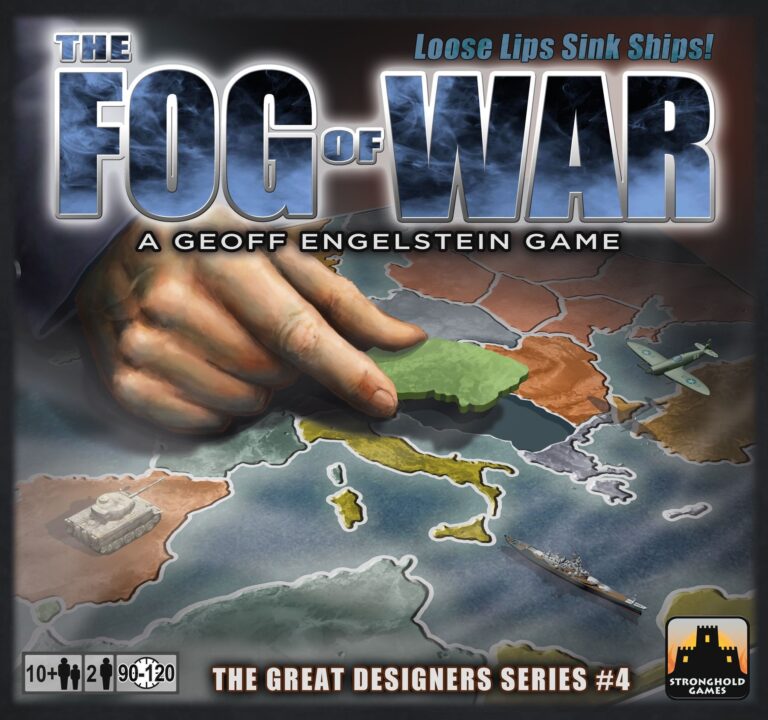
The Fog of War is a tense strategy game where players command hidden forces, manage limited resources, and fight for key ground. Each turn, you move units, gather information, and choose when to attack or pull back. Smart planning matters, but a little bluffing can send your rivals marching the wrong way.
Overview
The Fog of War turns every move into a tense guess. After playing it with friends, I learned that bold attacks can win the day, but smart planning usually wins the game. This guide gives you a clear outline of the game rules, from setting up your forces to resolving battles. It also shares the best strategies for winning, so you can outthink your rivals before the fog gets too thick.
What’s in the box
- 1 game board
- 110 cards
- 5 dice
- 2 player screens
- 36 army tokens
- 1 first-player token
- 1 round marker
- 1 rulebook
How To Play The Fog of War: Rules Summary
The Fog of War rewards smart guesses, brave moves, and the ability to look calm while your whole plan falls apart. After playing it with friends, I learned one key lesson: never trust a quiet map. Use the steps below to get your first game moving.
Setup: Build the Battlefield Before the Blasting Starts
- Choose a scenario and place the game board where everyone can reach it.
- Each player takes the army, markers, cards, and reference pieces listed by the scenario.
- Place starting units and markers in the shown spaces. Keep hidden information hidden when the rules tell you to do so.
- Shuffle the required card decks, then deal each player the starting hand listed in the scenario.
- Set the turn marker, supply markers, and victory markers at their starting spots.
- Read the scenario objectives before play begins. Otherwise, you may march bravely toward the wrong goal, which feels less heroic than it sounds.
Gameplay: Move, Plan, and Make Your Opponent Sweat
- Begin the turn by following the scenario’s start-of-turn effects and drawing the stated number of cards.
- Players then take turns performing legal actions. Depending on the scenario, actions may include moving units, playing cards, attacking, scouting, or placing markers.
- Move units only through spaces and routes allowed by the board, unit rules, and current supply situation.
- When a player attacks, both sides follow the combat steps in order. Reveal information only when the rules require it, then compare the listed strengths and effects.
- Apply losses, retreats, control changes, and card effects immediately. This keeps the battlefield tidy and stops arguments from growing little hats.
- After all players finish their actions, resolve end-of-turn effects, check supply, and pass the turn marker to the next player.
Winning: Complete the Mission and Claim the Glory
- Check the scenario’s victory conditions throughout the game, especially after combat and at the end of each turn.
- A player wins as soon as they meet the required objective, unless the scenario says to wait until the end of the round.
- Objectives may involve controlling locations, destroying enemy forces, holding key areas, or completing a secret goal.
- If more than one player meets a winning condition at the same time, use the scenario’s tie-break rules.
- If the game reaches its final turn without a player winning early, count victory points or follow the listed end-game scoring rules.
Special Rules & Conditions: The Bits That Cause the Best Arguments
- Hidden units and information remain secret until an effect, attack, or rule tells you to reveal them. Bluffing helps, but the rulebook still gets the final word.
- Fog-of-war effects can hide enemy strength, create uncertainty, or limit what a player may inspect. Resolve each effect exactly as written.
- Supply matters. Units that lose supply may suffer movement limits, combat penalties, or other effects shown on the scenario or reference sheet.
- Terrain changes movement and combat. Apply terrain effects before resolving the final result of an attack.
- Cards override the basic rules when their text directly conflicts with them, unless the scenario states otherwise.
- When a unit leaves play, remove it or place it in the correct area as the rules describe. Do not quietly recycle it because you miss the little cardboard fellow.
- Always follow the scenario sheet for special setup, turn limits, reinforcements, and victory rules. These details can change from one game to the next.
Best The Fog of War Strategies
Win the War Before Your Wallet Cries
The Fog of War rewards players who spend wisely.
Save Before Spending
First, keep a reserve for sudden threats. Therefore, avoid flashy upgrades.
- Save enough supplies to answer attacks.
Gather With Purpose
Next, claim income that supports your main plan. Also, deny key resources when cheap.
- Prioritize spaces that feed several actions.
Spend Near Victory
Meanwhile, wait until purchases create immediate pressure.
- Buy only what wins now.
Watch Your Rival
Finally, track shortages and force awkward choices.
- React before rivals recover.
This balance turned losses into wins.
Win the Map Before the Map Wins You
After testing The Fog of War with friends, I learned that clever movement beats reckless marching.
Claim strong ground
- Hold bridges and chokepoints first.
- Place sturdy units where rivals must answer.
Keep formations useful
- Reveal threats with scouts.
- Keep attackers close enough to support one another.
Shift with purpose
- Check enemy reach and likely counterattacks before moving.
- Force reactions with a group, then reposition your main force through gaps.
Protect retreat routes
- Never advance beyond backup.
- Leave a unit behind to guard exits; use terrain to slow pursuers.
Seize the turn
- When opponents split forces, surround the weaker half immediately.
- Finally, keep movement flexible.
Strike Like Thunder, Retreat Like Smoke
Read the Moment
-
First, watch enemy actions before you strike. If rivals defend, wait until their attention slips. Meanwhile, check your attack cards. Then choose the moment that creates shock.
Punish Commitment
-
Second, attack after an opponent commits to a long fight. Therefore, your hit can punish their tired force. Avoid attacks without a clear gain from each clash.
Leave Before Losses
-
Third, retreat early when the enemy answers strongly. Also, leave before your force loses its escape route. A timely retreat saves strength and keeps pressure alive.
Return With Purpose
-
Finally, return quickly when rivals chase too far. Good timing wins The Fog of War, not blind bravery and patience.
Win the War Before It Wins You
The Fog of War rewards calm choices, sharp timing, and a good read of the table. Manage your resources, place units with care, and strike when your rival leaves a gap. Then retreat before your brave plan turns into a sad pile of cardboard. After playing The Fog of War with friends, I found that patience wins more games than wild attacks. Keep your eyes open, trust your plan, and stay ready to change it. The best commander does not always make the loudest move. They make the move that matters.
Want to know what we think of The Fog of War? Read our detailed review of The Fog of War here