
How To Play: The Battle of Five Armies
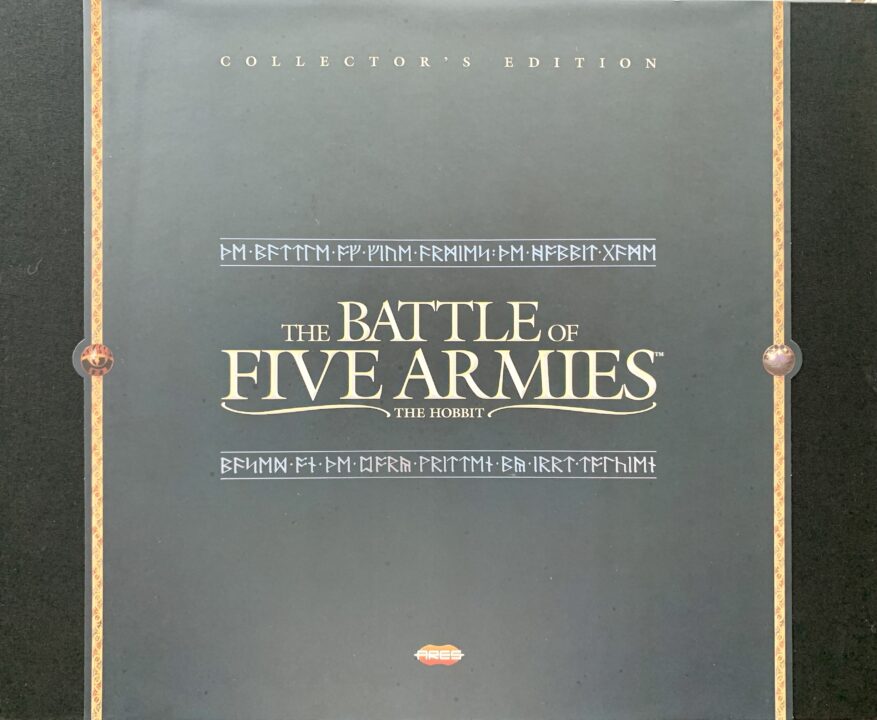
The Battle of Five Armies is a tense two-player war game set during the final fight in Middle-earth. Players command armies, move troops, use leaders and dice, and battle for key locations. The Free Peoples seek victory by defeating Bolg, while the Shadow aims to overwhelm its foes.
Overview
The Battle of Five Armies turns Tolkien’s famous last stand into a tense struggle of armies, heroes, dice, and just enough shouting to upset the neighbours. In this guide, we explain the game rules in a clear outline, from setting up the battlefield to resolving battles and using special powers.
What’s in the box
- 1 game board
- 126 plastic figures
- 92 cards
- 10 dice
- 1 rulebook
- 1 reference sheet
- 1 token sheet
This guide explains the core rules in a clear order. Use the scenario setup in your rulebook if a card or special campaign changes a step.
How To Play The Battle of Five Armies: Rules Summary
Setup: Prepare the Battlefield
- Choose one player to control the Free Peoples and one player to control the Shadow armies. The Free Peoples player usually takes the first-player token.
- Place the game board between both players. Then, place the army figures, leaders, settlements, strongholds, and other markers in the spaces shown by the setup diagram.
- Separate the Event cards, Fate cards, Leadership cards, and other decks. Shuffle each deck and place it beside the board.
- Place the Fate marker, turn marker, victory markers, and action dice in their starting spots.
- Give each player the cards, army pieces, and reference items that belong to their side. Keep your cards hidden unless a rule says otherwise.
- Finally, check each character and army card before play begins. These cards show special powers, movement limits, and battle skills.
Gameplay: Take Turns and Fight for Middle-earth
- Begin each game round with the Dawn phase. Advance the turn marker, resolve any Dawn effects, draw the required cards, and prepare the action dice.
- Roll your action dice. Each symbol allows a different type of action, such as moving an army, moving a character, recruiting troops, playing an Event card, or using a special power.
- Take turns choosing one unused action die and resolving its action. The players alternate actions, so plan ahead and try not to waste your best symbols early.
- Move armies into nearby regions when an Army action allows it. You may enter an enemy space, but you must start a battle if both sides remain there.
- Use Character actions to move heroes and villains, activate character powers, or complete effects shown on their cards.
- Use Muster actions to recruit new troops, bring leaders onto the board, or place reinforcements where the rules allow. Usually, a player must control the right settlement or region first.
- Play Event cards during the timing shown on each card. These cards can change movement, battles, recruitment, and even the fate of a whole army. Naturally, this is where friendships get tested.
- Resolve battles when opposing armies share a region. Each side rolls its combat dice, adds bonuses from leaders and special powers, and applies hits to enemy units.
- Before rolling, players may use combat cards if the current battle allows them. Resolve each card in order, then remove defeated units and continue the fight if both armies still stand.
- Continue alternating actions until both players have used all their action dice or passed. Then resolve end-of-round effects and begin the next round.
Winning: Meet Your Side’s Goal
- The Shadow player usually wins by capturing enough important settlements and strongholds. Place victory markers as the Shadow takes these locations.
- The Free Peoples player usually wins by holding key locations, delaying the Shadow, and reaching the scenario’s final goal. The Fate track and Beorn often play a major part in this race.
- Check the victory conditions in the scenario setup before the first turn. Some conditions end the game at once, while others require players to finish the current action or battle.
- If both sides meet a victory condition at the same time, follow the tie rule in the rulebook or scenario sheet. Do not settle it with a fist fight, tempting as that may be.
- When one side meets its winning condition, stop the game and declare that player the winner. You do not need to finish the round.
Special Rules & Conditions: Watch the Details
- Leaders improve army attacks and defense, but they do not count as normal army units. Keep them with their armies unless a card or special rule moves them alone.
- Characters use their printed powers when the correct action, battle step, or card effect allows it. Read the full card before using a power, because timing matters.
- Strongholds protect defending armies and can create special battle effects. An attacker must usually defeat the defenders before claiming the location.
- Some regions restrict movement because of terrain, borders, or enemy control. Always follow the map symbols before moving a unit.
- When a rule on a card disagrees with the main rules, the card takes priority. If a scenario rule disagrees with a card, follow the scenario rule.
- The Fate track can trigger major story events. Advance it only when a rule or card tells you to do so, then resolve the result immediately.
- Remove defeated units from the board unless a rule returns them to play. Do not place them back during the next Muster phase unless the rules specifically allow it.
- Resolve effects in the order they appear. If several effects happen together, the active player normally chooses the order, unless the card says otherwise.
- Keep unused action dice, cards, and markers beside your play area. Clear game areas make rules easier to track, and they also reduce the chance of launching a card across the table in rage.
Best The Battle of Five Armies Strategies
Turn the Map Into Your Own Little War Machine
Guard the Chokepoints
- First, place sturdy units near bridges and narrow paths. This slows enemy advances and protects weaker troops. Dave ignored one crossing, then regretted it badly.
Move With Purpose
- Next, shift troops toward the battle that matters most. Avoid random marches; instead, support threatened leaders or seize useful ground. Small moves punish rivals quickly.
Keep Reserves Nearby
- Also, leave a reserve behind your front line. Then, reinforce a gap before it becomes disaster. I pushed forward once, leaving my rear embarrassingly naked.
Use Terrain Wisely
- Finally, attack from positions that limit counterattacks. Therefore, in The Battle of Five Armies, placement saves actions and keeps pressure high. Move less, threaten more.
Win the Turning Point: Hero Timing in The Battle of Five Armies
Heroes can swing a battle, but only when you use them at the right moment. In our games, early hero actions often looked clever, then fizzled out like a damp firework. Instead, watch the board and wait for a clear gain.
Save Your Best Ability
- Keep powerful effects ready until several targets matter.
- Also, avoid spending them just to score a small hit.
Read the Enemy
- Wait until your rival commits key forces.
- Then punish that choice with a hero ability.
Chain Your Effects
- First, weaken a defense.
- Next, strike with your strongest hero.
Know When to Act
- Finally, use abilities before the final clash, not after it.
Rule the Odds Before They Rule You
In The Battle of Five Armies, fate and leadership win fights before dice start flying. Manage both with a plan, not panic.
Bank Fate
- First, watch the fate pool and save tokens for key attacks.
- Next, spend fate when one reroll can secure a vital stronghold.
- However, avoid wasting tokens on small skirmishes or poor odds.
Guide Leadership
- Keep leaders near battles that need reliable action.
- Then, use leadership to turn a good move into a winning push.
- Also, protect leaders from easy defeats and wasted turns.
Plan the Finish
- First, gather fate before your final attack.
- Afterward, chain leadership effects to keep pressure high.
- Finally, strike when your enemy cannot answer.
Make Every Turn Count at the Battle of Five Armies
The Battle of Five Armies rewards bold plans, careful timing, and a bit of sneaky luck. After playing it with friends, I found that the best moves rarely look flashy at first. Hold your strongest cards, protect key positions, and strike when your opponent thinks the board feels safe. Keep your heroes useful, your forces moving, and your panic level below “Gandalf just left the room.” With practice, you’ll spot better chances and waste fewer actions. The game can feel tight right to the final roll, which makes every victory feel earned—and every defeat slightly personal.
Want to know what we think of The Battle of Five Armies? Read our detailed review of The Battle of Five Armies here