
How To Play: Spies!
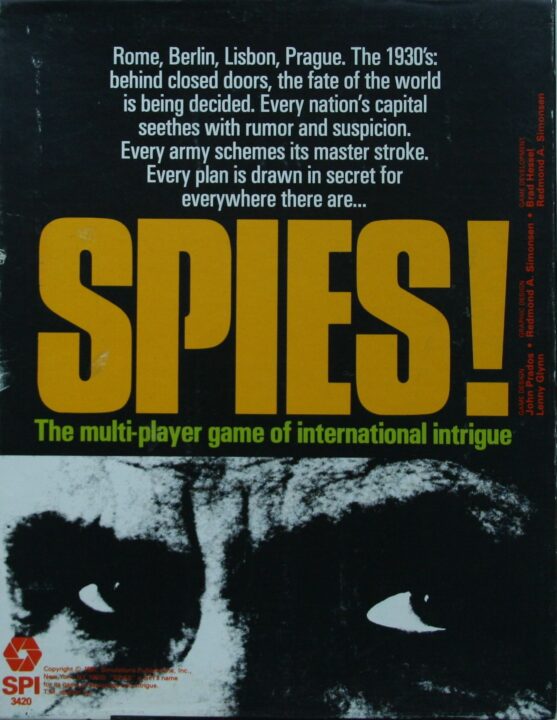
Spies! is a tense strategy game where players send agents on missions, gather useful intel, and try to outwit rival spies. Each turn, choose actions carefully, manage your suspicion level, and use special abilities at the right moment. Complete objectives, avoid exposure, and make the smartest risks to claim victory.
Spies! turns a quiet evening into a tense contest of secrets, sneaky plans, and the occasional terrible poker face. After playing it with friends, I found that every choice matters, especially when someone starts acting far too innocent. This guide gives you a clear outline of the game rules, then shares the best strategies for winning. By the end, you’ll know what to do, what to avoid, and when to trust absolutely nobody.
Overview
What’s in the box
- 1 game board
- 4 player screens
- 24 spy tokens
- 60 mission cards
- 48 influence tokens
- 4 score markers
- 1 rulebook
How To Play Spies!: Rules Summary
In Spies!, players send agents on missions, gather useful information, and try to outsmart rival spies. First, set up the game. Next, take turns completing actions and watching everyone at the table. Finally, the player who earns the most points wins. Keep your face calm, even when your plan starts wobbling like a cheap folding table.
Setup: Prepare Your Spy Network
- Place the game board, cards, tokens, and dice where everyone can reach them.
- Shuffle the mission, location, and event cards separately. Then place each deck in its marked space.
- Give each player the starting pieces, cards, and spy tokens listed in the rulebook.
- Choose a first player. For example, the player who most recently told a suspicious lie can start.
- Reveal any starting cards or public information. Keep secret cards hidden from the other players.
- Check the player aid before starting. It shows the action order and helps new players avoid rule mix-ups.
Gameplay: Send Agents and Make Trouble
- Begin your turn by following any start-of-turn rule, such as drawing a card or checking a mission.
- Choose an available action. You may move a spy, take a card, attempt a mission, trade information, or use another action shown by the game.
- Resolve the action completely before starting another one. Therefore, finish every card effect, roll, or check before you continue.
- Meet the requirements on a mission card before you attempt it. If you lack the needed cards, tokens, or position, choose another plan.
- Keep secret information hidden unless a rule tells you to reveal it. However, you may talk, bluff, and make wild claims whenever the rules allow.
- Apply event effects as soon as they appear. Then discard used cards or return tokens as instructed.
- Pass play to the next player after you finish every part of your turn. Continue clockwise unless a card changes the order.
Winning: Claim the Best Spy Score
- Keep playing until the game reaches its listed ending condition. This may happen when the mission deck runs out, a player completes a target, or the board triggers the final round.
- Finish the current round when the ending condition appears. This gives each player the same number of turns.
- Resolve all final missions, card effects, and bonus points before counting scores.
- Add your mission points, objective points, and any other bonuses. Then subtract penalties, if the game gives you any.
- The player with the highest total wins Spies!. If players tie, use the tie-break rule shown in the rulebook, usually the player with the most completed missions or remaining resources.
Special Rules & Conditions: Watch Your Back
- Follow card text over the basic rules whenever the two disagree. A card may change movement, scoring, turn order, or the number of actions you receive.
- Resolve effects in the order they appear. If two effects happen together, the active player resolves their effect first unless a card says otherwise.
- Never spend a resource twice. Return spent cards, tokens, or dice to the proper place immediately so nobody loses track.
- Keep hidden roles, hands, and secret objectives private. You may bluff about them, but you may not show them just to prove a point.
- If a deck runs out, reshuffle its discard pile only when the rules permit it. Otherwise, treat the empty deck as empty.
- Use the stated limit for cards, spies, and tokens. If you exceed a limit, discard or return pieces as the rulebook directs.
- When a rule remains unclear, pause the game and agree on a fair ruling. Then check the official rulebook after the game, because nothing kills a spy mood faster than a twelve-minute argument over one tiny token.
Best Spies! Strategies
Win More Games in Spies! by Choosing Missions Wisely
Choosing missions wisely wins games of Spies!
Read the Reward
- Take missions that pay well and support your next move.
- Choose intel or cash when your plan needs it most.
Check the Risk
- Avoid missions that expose you too early.
- Compare danger against the reward before committing.
Build Your Route
- Pick nearby missions to save actions.
- Keep an escape option ready, just in case.
Change Plans
- Abandon weak missions quickly.
- Take better jobs when the board shifts.
Keep Suspicion Low in Spies! and Win Big
Watch the Heat
First, check the suspicion track before every move.
- Choose actions that lower heat.
- Then avoid missions that raise it twice.
Use Cover Wisely
Next, spend cover tokens before suspicion reaches the danger zone. However, save one token for an emergency escape.
- Hide after risky actions.
- Also, rotate agents.
Read the Table
Meanwhile, watch opponents. If they gain clues, reduce your noise quickly. Therefore, bluff only when your team can support the story.
- Track who suspects whom.
- Finally, punish rivals.
Turn Spy Powers Into Perfect Moments
After playing Spies! with friends, I learned that timing beats button mashing.
Save Your Best Trick
- First, hold your strongest ability until an enemy commits.
- Next, use it when one move can wreck their plan.
Watch the Table
- Meanwhile, track rivals before acting.
- However, do not wait so long that someone else steals the chance.
Chain Small Effects
- Then, pair a cheap ability with a teammate’s move.
- Therefore, save major powers for moments that create two problems at once.
React, Do Not Guess
- Finally, trigger defense after opponents reveal their plans.
- Also, watch the clock, because late turns punish hesitation. Practice these timings, and win more often. That habit turns clever spies into nervous wrecks.
Leave No Loose Ends
Spies! rewards calm thinking, sharp timing, and just enough sneaky nonsense to keep your friends glaring across the table. They watch the board, manage suspicion, and wait for the right moment to use their strongest abilities. Plans will go wrong, of course. Mine usually do right after I announce them with far too much confidence. Stay flexible, protect your lead, and make every move count. With practice, you will turn clever risks into clean victories—and leave everyone wondering when you became the dangerous one.
Want to know what we think of Spies!? Read our detailed review of Spies! here