
How To Play: King
King is a classic trick-taking card game where players compete across several hands with changing goals. Each round rewards clever card play and punishes costly tricks. Track cards already played, time strong cards wisely, and watch opponents closely to claim the most points by the game’s end.
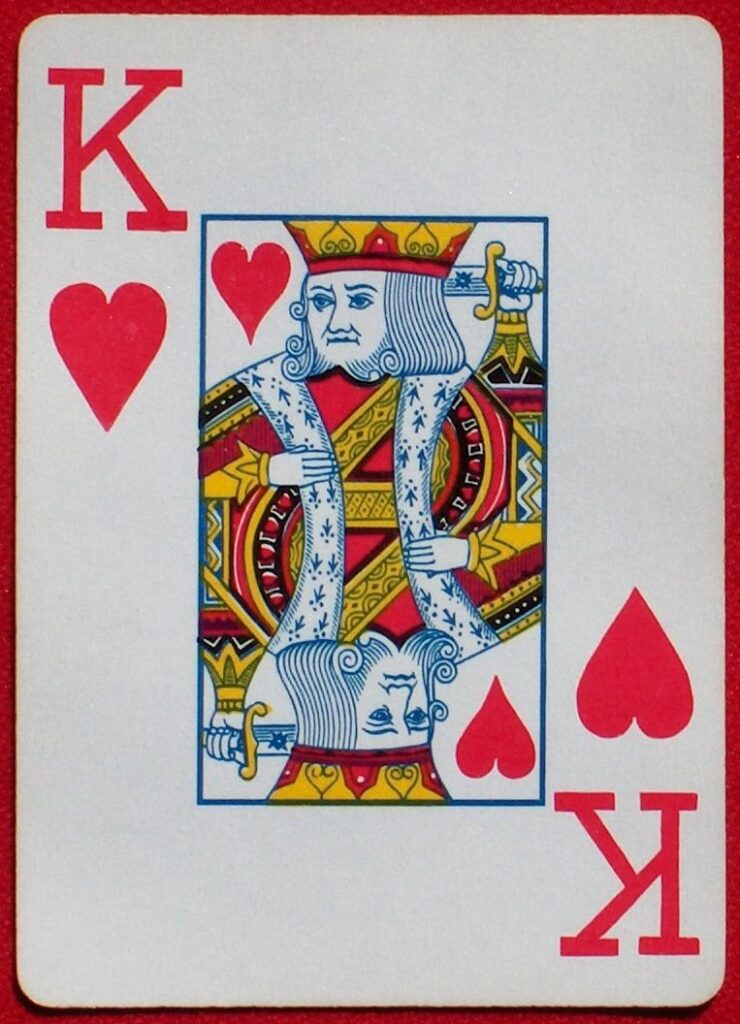
Overview
King is a lively trick-taking card game where every hand brings a fresh problem to solve. I’ve played it with friends, and the table can go from calm to chaos faster than someone hiding a bad card. This guide gives you a clear outline of the game rules, explains how each round works, and shares the best strategies for winning. Grab a deck, watch your rivals, and try not to celebrate too early.
What’s in the box
- Please specify the publisher or edition of King.
How To Play King: Rules Summary
King is a trick-taking card game for four players. You use a standard 52-card deck, and everyone tries to win the right tricks while avoiding nasty penalty cards. Before you start, agree on the special rules, because King has a few popular versions. The guide below explains a common version that works well for new players.
Setup: Deal the Cards and Pick a Dealer
- Choose one player to deal first. That player shuffles the full 52-card deck.
- Deal all the cards face down, one at a time, until each player holds 13 cards.
- Each player sorts their hand by suit and rank. Keep your cards secret, unless you enjoy giving your rivals free help.
- Choose the first contract, or round type. For a simple first game, begin with a no-trump round where players try to avoid certain cards or tricks.
- Pass the deal to the next player after each round. Continue clockwise around the table.
Gameplay: Follow Suit and Win Each Trick
- The player to the dealer’s left leads the first trick by playing one card face up.
- Play continues clockwise. Each player must follow the suit of the first card if they can.
- Play any card from your hand if you cannot follow suit. In many versions, you may use a trump card or discard a card instead.
- The highest card in the led suit wins the trick, unless a trump suit applies. Then, the highest trump card wins.
- The player who wins the trick collects the four cards and leads the next trick.
- Keep playing until everyone has used all 13 cards. Try to remember which suits and high cards have already left the table.
Winning: Score Your Tricks and Dodge Trouble
- Count points at the end of each round according to the contract you selected.
- Give positive points for useful tricks in a scoring round. For example, a player may earn points for taking tricks.
- Give negative points for unwanted cards or tricks in a penalty round. Hearts, queens, and the King of Hearts often cause trouble in common versions.
- Write down every player’s score before starting the next round. This step prevents the classic argument: “I was winning five minutes ago!”
- Play the agreed number of rounds, or let each player choose a contract once.
- Add the scores at the end. The player with the highest total wins. If you use penalty scoring, the player with the least negative score may win instead.
Special Rules & Conditions: Watch for the Sharp Edges
- Follow the chosen contract for the whole round. Do not mix rules from another contract halfway through, even if your hand looks terrible.
- In a no-hearts round, players cannot lead hearts until someone discards a heart on another suit. This rule is called breaking hearts.
- Some groups ban players from leading a trump card until another player has played one. Agree on this before dealing.
- If a player holds no card in the led suit, that player may discard any card or play trump, depending on your house rules.
- If someone breaks a rule, stop the trick and fix the mistake when possible. If the table cannot repair it, apply the penalty that everyone agreed on before the game.
- Before your first game, confirm the scoring values for each contract. King changes from group to group, so this quick chat saves a heap of confusion.
Best King Strategies
Turn Your Memory Into a Winning Hand
In King, sharp memory beats lucky guesses. First, remember key suits and high cards. Next, note which players spend strong cards early. Finally, use that information before you choose a risky play.
Track the Important Cards
- Remember every ace and king played.
- Watch which suit loses its power.
Build Simple Clues
- Group cards by suit, not rank.
- Repeat each clue quietly in your head.
Use Memory Before Guessing
- Check who still holds likely winners.
- Then play the card that blocks them.
Play Your Big Cards at the Perfect Moment
Timing high-value cards turns strong hands into wins, but only when you spend them at the right moment.
Open with purpose
- First, lead a high card when it can control the trick.
- However, avoid showing your strength too early.
Watch the table
- Next, track which suits opponents lack.
- Then, strike when their best replies have vanished.
Save your rescue card
- Meanwhile, keep one strong card for a dangerous trick.
- At our table, this saved me after a smug friend pushed too hard.
Finish without fear
- Finally, play your last high card when it secures points.
- Therefore, trust the plan and stop hoarding power.
Read the Table Like a Sneaky King
After playing King with friends, I learned that hands speak loudly, even when players stay quiet. Watch habits, not faces; my poker face resembles a toaster.
Track Discarded Suits
- First, note suits each player avoids; hesitation reveals weakness.
Watch Reactions
- Next, notice quick passes, sudden smiles, or long pauses. These clues reveal pressure.
Test Uncertain Players
- Then, lead a safe card and watch who reaches for it. A fast grab signals confidence.
Change Your Plan
- Finally, adjust your play when evidence changes. Do not marry your first guess; guesses make terrible teammates.
Play the Hand, Not Just the Cards
King rewards players who stay alert, save strong cards for the right moment, and watch every move at the table. Keep count, read the room, and change tactics when the hand turns sour. Most of all, enjoy the chaos. King feels best when smart choices mix with a little luck, a few groans, and one mate claiming they “totally meant to do that.”
Want to know what we think of King? Read our detailed review of King here