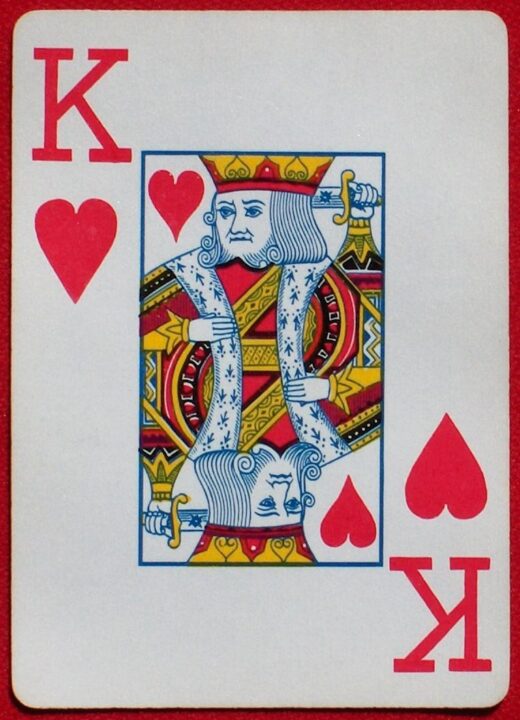

King is a review of a clever card game where every hand can make you feel like a genius—or a potato in a crown. After several games with friends, I found a sharp mix of planning, player reading, and just enough luck to keep things tense. It rewards smart choices without making new players feel lost, though a bad deal can still spoil your grand plans. Here’s how it plays, where it shines, and why it kept us reaching for one more game.
How It Plays
King is a trick-taking card game where players try to win the good rounds and dodge the nasty ones. The rules stay simple, but one bad choice can make your score look like it owes money.
Setting up
Shuffle a standard 52-card deck and deal all the cards to the players. Each player receives the same number of cards. Choose a starting player, then lay out the round cards or agree on the order of the contracts before play begins.
Gameplay
Each round uses a different contract. Some rounds reward players for taking tricks, while others punish them for collecting certain cards, suits, or tricks. The starting player leads a card, and everyone must follow suit if they can. The highest card in the led suit wins the trick, unless the contract adds a trump suit. The winner leads the next trick.
Winning the game
After all the rounds, players add their scores. Positive contracts give points for useful tricks, while negative contracts take points away for unwanted cards or tricks. The player with the highest total score wins. Try not to celebrate too early; King loves a late-game comeback.
Want to know more? Read our extensive strategy guide for King.
King Gameplay Flow and Rules: A Smooth Trick-Taking Experience
King is a trick-taking card game with a clean loop: each round gives you a hand, you choose a contract, then try to win the right tricks. At first glance, the rules look as friendly as a golden retriever. Then the scoring starts wagging its tail. Players must follow suit when possible, and they can only play another suit if they cannot follow. The lead card sets the suit, while the contract adds the twist.
Before dealing, the dealer reveals cards that shape the available contracts. Each player bids, in turn, for how many tricks they expect to take. The highest bidder picks the contract and leads. That sounds simple, but the table quickly turns into a courtroom drama. In one game, my friend Dave confidently bid six, then discovered he held cards that behaved like damp toast. He took two tricks.
Rounds move at a brisk pace because everyone has one clear job. Play a card, follow the suit, compare the cards, award the trick, and start again. The winner of each trick leads next, so control keeps moving around the table. This creates a nice rhythm, with quiet planning broken by the odd groan when a rival steals your perfect trick. The rules rarely need a lookup.
Scoring rewards accurate bids and punishes guesses, so players learn to respect their hand. The game handles mistakes well: if someone plays the wrong suit, the table spots it before the trick ends. That keeps play fair and avoids arguments. Next, Strategy, skill, and choices will test most patient players.
King Strategy: Skill, Timing, and Tough Choices
Plan More Than One Turn Ahead
King rewards players who can make a plan, then toss it away when the table changes. When I played with friends, I kept chasing flashy wins and paid for it later.
Read People, Not Just Cards
King asks you to track habits as much as resources. Who grabs every tempting reward? Who passes early? Who suddenly becomes very quiet? Those clues shape your next choice. Good players do not merely chase their own score. They watch likely threats, force awkward decisions, and choose targets that make sense. King rewards experience without making new players feel helpless.
Flexible Choices Win
The best move depends on what you can recover from. A safe choice may protect your lead, but a bold play can punish a rival who overreaches. I like that trade-off. King rarely hands you one perfect answer; it asks which risk fits your position, your read of the table, and your nerve. Still, analysis-heavy groups may pause too long while everyone studies the board like detectives at a biscuit crime scene.
Why Skill Matters
After several games, I noticed better choices mattered more than one lucky burst. Players learned when to stay patient, when to switch plans, and when to accept a small loss. That learning curve keeps King fresh, though new players may need a few rounds before they spot why a move failed. Next comes Luck and game balance, where King meets its wobbliest little gremlin.
King Board Game Review: Luck and Balance
Luck sits at the table in King, but it never grabs the wheel and drives straight into a hedge. During our first game, a player drew perfect cards and smiled like he had found money. The room groaned. Instead, careful choices from the other players kept the score close. Even the lucky run did not make victory certain.
Where Luck Helps
The card draw can still swing a round, especially when a player needs one exact card to avoid trouble. That feels fair for a short game, because nobody wants a two hour battle over tiny points. King keeps luck from taking over by giving players enough information to judge risk. When someone celebrates a lucky card, the table usually knows whether skill helped or the deck simply threw them a bone.
Balance Without Cruelty
Balance matters more than flashy surprises here. In our games, no player pulled far ahead just because the deck felt kind. The scoring system cushions a bad turn without erasing a strong lead. That gave us room to recover. A player who suffered early could finish well after two steady rounds. I like that safety net. It feels tense, not cruel. Some hands can feel harsher than others, especially for new players who have not learned how to read the odds. That is a small flaw, but games smooth it out. Next, I will check player count and replay value to see whether King stays fresh with every group.
King Player Count and Replay Value
Best With Four Players
King works best with four players, and that number gives the table a lively feel. Everyone gets time to join, while the game moves at a clip. With fewer people, the room feels quieter and less social. Three players can work, but the table loses some of its spark. It feels like inviting three friends to a party, then finding one has brought a spreadsheet.
More Players, More Noise
At five players, King becomes a louder beast. The extra person adds chatter, jokes, and the dramatic sigh when someone checks the score. Turns take longer, yet the group suits families and game nights where conversation matters as much as the result. Six players can stretch the table’s patience. We tried it once, and by the end, a friend had aged to start giving tax advice. The game remains playable, but downtime grows.
Why King Keeps Coming Back
Replay value comes from the mix of people. King feels fresh when a calm player joins a bold one, or when the scorekeeper finally gets revenge. The game creates small stories that players remember between sessions. "Remember when you did that?" becomes a line, usually followed by laughter and a complaint. It also fits neatly into an evening. A group can play one session, chat, then decide on another without needing a weekend or a packed lunch.
A Familiar Favourite
King has staying power for groups that enjoy familiar faces and friendly rivalry. It may not satisfy players who want a new surprise every night. After many sessions, the table can feel like a well-worn pub game rather than a grand event. I see that as a strength, though newcomers may need a patient host and a quick reminder of the flow. Once they settle in, they usually ask for another round.
I recommend King for groups seeking a replayable classic.
Conclusion
This concludes my review of King. After several games with friends, I found a clever card game with solid choices, good replay value, and just enough luck to keep things tense. The rules stay easy to learn, while the strategy grows once players start watching bids, tricks, and sneaky table talk. Four players gave us the best experience, though larger groups added more noise and a bit of waiting. King does not reinvent card games, but it plays smoothly and keeps everyone involved. I would happily deal it again, even after losing to my friend who claims he “doesn’t take games seriously.” Sure, mate. King earns a strong recommendation for groups who enjoy smart play without a rulebook the size of a phone book.