
How To Play: Faces
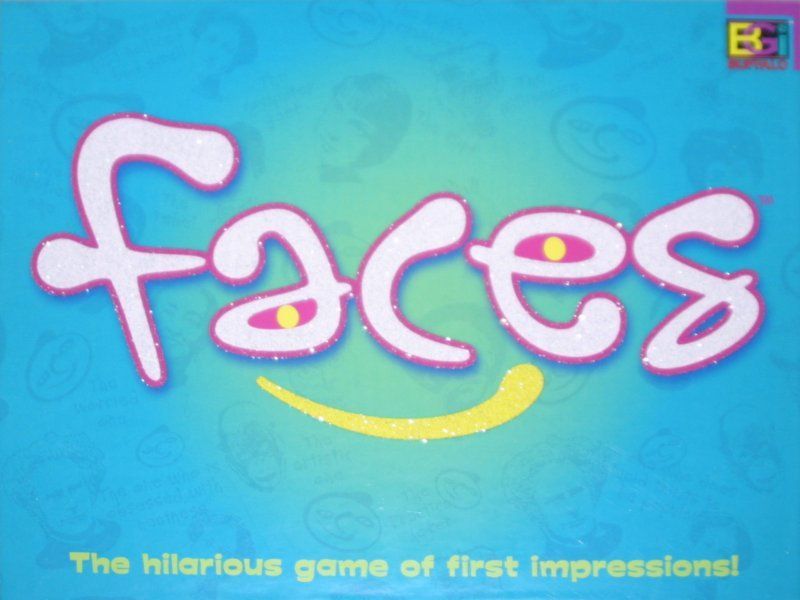
Faces is a lively guessing game where players study expressions, make clever guesses, and score points for reading the table well. On each turn, choose your move, watch how others react, and judge when to play it safe or take a chance. The player with the most points wins.
Overview
Faces turns every grin, frown, and suspicious eyebrow into part of the game. I played it with friends, and our table filled with brave guesses, terrible acting, and one person who apparently has only one facial expression. This guide gives you a clear outline of the game rules, explains how each round works, and shares the best strategies for winning. Read on before your next game night, unless you enjoy losing with confidence.
What’s in the box
- 110 Face cards
- 6 Player boards
- 30 Scoring tokens
- 1 Score pad
- 1 Rulebook
How To Play Faces: Rules Summary
Faces asks players to read expressions, make smart guesses, and score more points than their friends. First, set up the game. Next, play each round by choosing faces and making guesses. Finally, count the points and name the winner. Keep a straight face, though. Your eyebrows may betray you faster than a bad poker player.
Setup: Get Your Best Poker Face Ready
- Place the face cards or face tiles in the middle of the table.
- Give each player the starting cards, tokens, or markers listed in the game instructions.
- Choose one player to act first. That player becomes the active player for the opening round.
- Give every player a score marker or paper for tracking points.
- Shuffle the remaining cards and place them face down as the draw pile.
- Decide how many rounds you will play. If the group does not choose a total, play until one player reaches the agreed score.
Gameplay: Make Faces, Read Faces, Take Risks
- The active player draws or selects the required face card, then follows the action shown on it.
- That player makes the shown expression, gives the clue, or chooses a face without revealing hidden information.
- Starting with the player on the active player’s left, each player makes a guess when the rules allow it.
- Players may bluff, but they must follow the card or round rule. A dramatic eyebrow raise cannot replace a legal move.
- Reveal the answer or chosen face after everyone has guessed.
- Give points to players who guessed correctly. Apply any bonus or penalty shown on the card.
- Record the scores, then pass the active-player role clockwise.
- Continue until every player has taken the same number of turns.
Winning: Turn Good Guesses Into Big Points
- After the final round, add each player’s points.
- Give players any end-game bonuses stated by the cards or scenario.
- The player with the highest total wins the game.
- If two or more players tie, let the tied players play one final face or guessing round.
- The tied player who scores the most points in that round wins. If the tie remains, share the victory and demand a rematch.
Special Rules & Conditions: Keep Every Face Honest
- Players must keep hidden cards and private information secret until the rules tell them to reveal it.
- Players must make only the expression or action allowed by the current card. Extra hints can spoil the round.
- A player who reveals information too early loses the points connected to that action, unless the group agrees on another penalty.
- If a player cannot complete an action, that player skips the action and receives no points for it.
- Players must resolve effects in the order shown on the card. If two effects clash, the active player resolves the current card first.
- Players may discuss unclear rules before the next turn, but they should not change a result after the group reveals the answer.
- Use the printed card text over a general rule whenever they conflict. The card gets the final word, even when it acts smug about it.
Best Faces Strategies
Spot the Tell Before It Spots You
However, strong players control their faces, so read patterns, not single clues.
Watch the Eyes
- First, watch the eyes: players often glance toward cards they want.
Check Timing
- Next, compare timing: a sudden pause may signal a tough choice.
Test Reactions
- Then, make a small feint and study the response.
Keep Notes
- Finally, track repeated habits, because one clue fools you, but three clues build a case.
Also, watch when opponents relax after a bad draw. Moreover, ask what they hide, not just what they show. In Faces, patience beats wild guessing almost every single time.
Win the Moment: Timing Guesses and Bluffs in Faces
At our last Faces game, I guessed too early and handed Sam an easy win. Since then, I use timing as a weapon.
Wait for Clutter
- Let other players act first. Then guess when the table gets noisy and attention scatters.
- However, avoid waiting so long that everyone sees your plan.
Protect Your Bluff
- Bluff after a safe move, so failure costs less.
- Also, change your pace after each bluff.
Count the Turns
- Track recent choices. Then strike when your target expects hesitation.
- Next, guess quickly to create doubt.
Reset After Success
- After a winning bluff, play honestly.
- Consequently, your calm move may look suspicious next round.
Turn Small Wins Into a Very Big Finish
Claim Safe Points First
- Take scoring options early, because empty turns hurt more than gains.
Watch the Round Clock
- Next, check how many turns remain. If the round nears its end, bank points instead of chasing a perfect score.
Build Helpful Combos
- Then, pair choices that reward the same goal. Combos lift your total quickly, yet avoid spending resources on one risky plan.
Finish Without Regret
- Finally, compare scores. Take a move only when safe play cannot catch up.
Keep a Straight Face and Trust Your Gut
Faces rewards players who watch closely, guess with care, and know when to grab points instead of chasing glory. In our games, the loudest player often gave away more than they meant to, while the quiet one built a sneaky lead. Track turns, notice habits, and save your boldest bluffs for the right moment. Most of all, stay flexible. Faces can turn faster than my friend Dave changes his story after a bad guess. Play smart, keep your face calm, and remember: a small win each round can beat one giant gamble.
Want to know what we think of Faces? Read our detailed review of Faces here