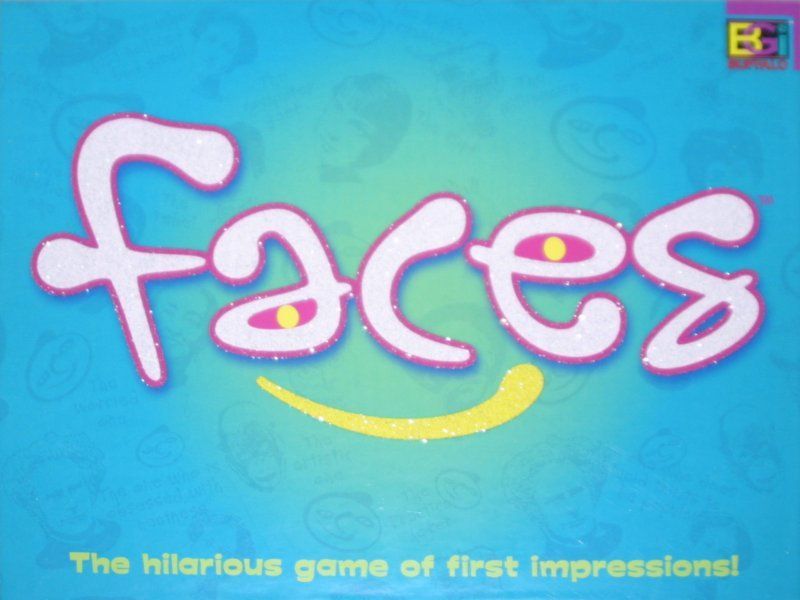

If you’re hunting for a board game that guarantees everyone at the table will look ridiculous, welcome to my review of Faces! After playing it with my friends (and some people I barely knew—sorry Sarah), I came away with sore cheeks from laughing and a few questionable opinions about moustaches. Let’s find out if this party game is just a quick giggle or worthy of a spot on your game shelf. Spoiler: expect chaos, a lot of luck, and maybe one friend who takes the silly faces a bit too seriously.
How It Plays
Setting up
Shuffle the stack of wacky face photos. Hand each player a set of voting cards. Pick someone to be the first judge (I usually make the one who last made a weird face at dinner—fair’s fair!). Place the rest of the face cards in the middle.
Gameplay
The judge draws three face cards and reads a funny prompt from the card deck—something like “Who just ate a lemon?”. The rest of us secretly vote on which face looks most like the prompt. Once everyone’s picked, we reveal our choices and see who matched with the judge.
Winning the game
Each time you match the judge, you earn a point. Play as many rounds as you want, or until someone hits a set number of points (usually five if you want the game to end before the pizza does). Whoever has the most points at the end is crowned the Face Master! No cash prize, but loads of laughs and bragging rights.
Want to know more? Read our extensive strategy guide for .
Why ‘Faces’ Will Make You Snort-Laugh Like a Hyena
If you’ve ever tried to keep a straight face while playing ‘Faces’, let me tell you—don’t even bother. This game brings out laughter you didn’t even know you had hiding inside you. I’ll paint the scene: my friend Dave tries to match a picture of a grumpy old man with the phrase “has just won a pie-eating contest.” Suddenly, the whole table erupts into giggles because we’re all picturing this guy with a blueberry moustache. The magic of ‘Faces’ comes from the photos themselves. They’re bizarre, awkward, and sometimes look like they were taken right before someone sneezed. Each round, someone reads a silly prompt, and everyone tries to pick which face matches it—and that’s when things get ridiculous fast.
Our group started making up fake backstories. “This lady? She’s definitely just found out her cat can speak Italian.” Even the most serious players break after a few rounds. My cousin Trevor, who never laughs at anything (except tax returns, weirdly), almost spit soda across the board. The best bit is, the more you play, the funnier it gets. You start to remember old faces and inside jokes start to form. My friend Rachel now can’t see a photo with wild eyebrows without cackling.
If you want a game that’ll get your friends gasping for air and clutching their sides, ‘Faces’ ticks all the boxes. It’s honestly a joy for anyone who loves a good giggle or needs a pick-me-up after a tough day.
Now, if you’re worried about teaching this game to your board game-shy cousin, don’t panic—the next section will show you just how easy it is to get started, even if you can’t remember the rules to Uno.
How Easy is it to Teach ‘Faces’?
Let me tell you, teaching ‘Faces’ is easier than teaching my grandma how to use emojis (and she once sent a peach to her boss by mistake!). Even my friend Dan, who usually zones out by rule three, got the hang of this game before I finished pouring my drink. The box says ages 12 and up, but I played with my little cousin and my cranky old uncle, and both understood the rules within three minutes. If you can point, laugh, and make wild guesses, you can play ‘Faces.’ Seriously, the hardest part is finding enough table space for all the hilarious face cards!
Here’s how it usually goes down for us: You grab a card with a weird or funny face on it. The reader draws a question card—something like, “Who would talk their way out of a speeding ticket?” Everyone else guesses which face matches the question. That’s it! No complicated scoresheets, no wild expansions, and no need for someone to keep the rulebook handy. You don’t even need to remember scoring—just have paper and, if you want to be fancy, a pen. I mean, once my friend Jess was late, walked in halfway through a round, and still hopped right in like she’d been there the whole time.
In short, teaching ‘Faces’ is so straightforward, you might spend more time picking who shuffles the deck than explaining the rules. Next up, I’ll spill the beans on whether this game keeps things fresh or fizzles out when you play with different groups—so get ready for my wildest stories (and maybe a bit of family drama)!
Replay Value With Different Groups: Is Faces Always A Crowd-Pleaser?
I’ve played Faces with so many groups now, I think I’ve seen every possible reaction—from my grandma’s polite giggle to my friend Steve’s tears-rolling-down-the-cheeks guffaw. One thing is clear: this game’s replay value depends a lot on who’s around your table.
With strangers or a new group, Faces is a golden icebreaker. People loosen up, weird guesses fly, and you’re all bonding over how an innocent portrait somehow looks like it owns three ferrets. There’s no learning curve holding anyone back, so it’s perfect for game nights where not everyone knows each other.
With my regular crowd, Faces becomes a test of who can out-weird the rest. We’ve even started assigning bonus points for the most ridiculous answer—unofficial, but hilarious. The game keeps us laughing, and because the photos and prompts are so random, every round feels fresh. After two or three plays, though, the cards do start to look familiar. If your group memorizes jokes or references specific faces (“Remember him? He was ‘Most likely to sell you fake concert tickets!’”), it can get a little samey.
Where Faces really shines is with mixed ages—kids, teens, adults, even my grumpy uncle who thinks fun is a government conspiracy. Everyone gets to play, and nobody feels left out. Even our dog gets involved, but she always votes for the pictures of old men with beards.
Bust out Faces for a family gathering, a chill party, or as a warm-up to heavier board games. Just don’t expect it to be your main event every week unless you like seeing the same faces—literally. Next up, I’ll tell you whether Faces is a game of skill, luck, or pure chaos. Spoiler: you might need a lucky rabbit’s foot!
Is Faces More Luck or Skill? Your Fate in Funny Photos
Here’s the thing about Faces: it’s a party game where chaos rules. If you want deep strategy, keep walking. This game loves randomness like a cat loves knocking things off tables. I’ve played plenty of rounds where my best guesses ended up in the bin, while my friend Dave (who thought I was picking faces based on who looked most likely to own a ferret) just crushed it. He won. Twice. No logic—just luck. It actually made us all question our own judgement, and also, why ferrets kept coming up as a theme.
Honestly, the fairness depends on your group. With jokesters who get creative, Faces feels surprisingly even—because you can’t predict anything. Pick a face that looks like your aunt after eating a lemon? Sure, why not. Guess who picked it? Good luck. I saw my cousin win just because he guessed the most outlandish answers, and it worked. If you care about skill, you might get frustrated. There isn’t much you can do besides try to get inside your friend’s strange logic. Sometimes that’s rewarding. Sometimes it’s facepalm city.
So, is Faces fair? Not really. Is it random? Absolutely. But that’s also the fun. It levels the playing field between your competitive board gamer cousin and your friend who showed up just for snacks. If you want a game night full of deep thought, keep Faces on the shelf. But if you want to see your friends argue about which face looks most like a guy named Craig, then go for it. I recommend Faces for laughs—but not if you want to crown the smartest person in the room.
Conclusion
So, that’s my ride on the wild rollercoaster called Faces. If you want a light, laugh-packed game with old school silliness, Faces brings the goods. It’s easy to learn, super fast to play, and makes even your most serious guests snort-laugh. But beware—luck runs the show here! If you want strategy, run far away. For me and my friends, it’s a winner for parties, but we don’t pull it out every week. Thanks for reading my review! Now go find your best silly face and see if you can finally win against Uncle Dave.