
How To Play: duck! duck! Go!
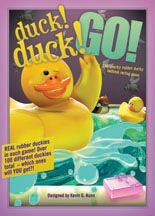
duck! duck! Go! is a fast, playful racing game where players guide ducks around a pond using movement and action cards. Each turn, choose moves, trigger effects, and watch rivals scramble for the lead. Save useful cards, time your jumps, and expect cheeky setbacks before one lucky duck reaches the finish.
Overview
duck! duck! This guide contains an outline of the game rules, plus the best strategies for winning. Grab your ducks, watch your rivals, and prepare for some wonderfully silly table-time chaos.
What’s in the box
- 1 game board
- 4 duck tokens
- 54 cards
- 1 six-sided die
How To Play duck! duck! Go!: Rules Summary
Setup: Get Those Ducks in a Row
- Place the game board in the middle of the table.
- Each player chooses a duck and places it on the starting space.
- Shuffle the action cards and place them face down beside the board.
- Choose a first player. The player who most recently saw a real duck goes first. If nobody admits it, roll the die and let the highest roll begin.
- Give every player the starting cards listed in the game instructions.
Gameplay: Waddle, Roll, and Cause Trouble
- On your turn, roll the die.
- Move your duck forward the number of spaces shown. Follow the board spaces as you move.
- Resolve the space where your duck stops. Some spaces let you draw an action card, while others move ducks or change the race.
- Draw and play action cards as the card text instructs. Unless a card says otherwise, play it only on your turn.
- Complete each card effect before you continue your turn.
- Then pass the die to the player on your left.
- Keep playing in turn order. Watch the other ducks, because a quiet player may hold the nastiest card. Quack, quack, surprise.
Winning: Reach the Finish Pond First
- Continue taking turns until a duck reaches the finish space.
- The first player to reach or pass the finish space wins the game.
- If an effect sends a duck backward, resolve that effect before checking for a winner.
- If several ducks reach the finish during the same effect, the player whose duck moved into the finish first wins.
Special Rules & Conditions: Mind the Muddy Puddles
- Follow the exact wording on an action card. Card effects beat the basic rules when the two disagree.
- Move ducks one space at a time. Resolve any space effect that you enter unless the card or board says to skip it.
- A duck cannot move beyond the finish to gain extra movement. It simply stops at the finish.
- If a deck runs out, reshuffle its discard pile to create a new draw pile.
- If players cannot agree on an effect, pause the game and read the card aloud. Then choose the ruling that follows the card text most closely.
- Keep all hands and discarded cards visible only when the rules say to reveal them. Otherwise, opponents must rely on their detective skills and slightly suspicious staring.
Best duck! duck! Go! Strategies
The Duck Pick That Wins Before Anyone Quacks
Watch the Pond
- The best Duck Selection and Timing plan starts before your first move.
- First, study which ducks others chase. Then, choose a duck that fits your goal, rather than grabbing the flashiest bird.
- During our games, friends who picked pretty ducks often fed everyone else.
Wait for Commitment
- Next, wait until opponents commit.
- If a rival needs one duck, take it only when the move hurts their plan and helps yours.
Strike Before the Pond Changes
- Finally, act before the pond changes.
- A safe duck now beats a perfect duck later. Therefore, save timing tricks for the final turn, then strike fast.
- I waited, then stole the scoring duck.
Manage Action Cards Like a Boss
Managing action cards well wins more games than flashy plays. After testing them with friends, I learned that patience beats panic.
Save Your Best Cards
- First, hold powerful cards until they create a clear advantage.
- Also, avoid spending defense cards just because an opponent looks scary.
- Keep one surprise card for the final turn.
Read the Table
- Next, watch who lacks cards.
- Therefore, strike when rivals cannot answer.
- However, bluff calmly; a weak card can look dangerous.
Plan Your Finish
- Finally, count turns before you play.
- Then, combine cards for one strong swing.
Win Before They Move: Read the Table
Therefore, I stopped watching his points and studied his choices. Opponents reveal plans through speed, silence, and sudden interest. Read those clues, then force them to act early.
Watch the Pause
- First, notice who rushes after gaining a small lead; that player may fear losing it.
Track Repeated Targets
- Next, track targets. If someone attacks one rival twice, they likely need that rival weakened before scoring.
Test Quiet Players
- Also, test quiet players with a challenge. If they react sharply, you found a hidden plan.
Break Their Rhythm
- Finally, change your rhythm. Sometimes wait, then act suddenly; confused opponents expose their priorities.
Make Waves, Then Quack About It
Winning at duck! duck! Go! takes more than picking the fastest duck and shouting “quack” with confidence. Watch the board, save your best action cards, and wait for the moment when your friends think they have you boxed in. In our games, patient players often passed the reckless ones near the finish. A little luck helps, but smart timing helps more. Keep your plan loose, read the pond, and never trust a duck that looks too pleased with itself. Most of all, enjoy the chaos. Even when you lose, you can blame the ducks.
Want to know what we think of duck! duck! Go!? Read our detailed review of duck! duck! Go! here