
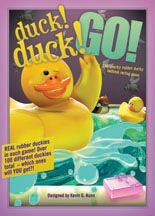
This review looks at a fast, friendly racing game where simple rules get everyone waddling quickly. Luck helps, but smart timing and careful card use can still push your duck toward the win. It sets up in a flash and offers enough variety for repeat plays, though players who dislike sudden swings may occasionally feel a little ruffled.
How It Plays
Setting up
Place the race track in the middle of the table. Each player picks a duck and puts it on the starting space. Shuffle the cards, deal each player a hand, and place the rest nearby as the draw pile.
Gameplay
On your turn, play a card and move your duck as shown. Some cards help you race ahead, while others stir up trouble for the other ducks. Draw a new card at the end of your turn, then pass play to the left. Keep your eyes open, because one cheeky card can change the race fast.
Winning the game
The first duck to reach the finish space wins. Celebrate with a proud quack, or pretend you planned that last-minute move all along.
Want to know more? Read our extensive strategy guide for duck! duck! Go!.
Easy-to-Learn Rules and Setup in duck! duck! go!
Getting started with duck! duck! go! takes less time than finding a lost sock under the sofa. Nobody needed a rules lawyer, which was lucky, because Dave still thinks a meeple is a tiny chess piece.
The setup is simple: each player gets one duck, places it at the start, and draws the starting cards. Put the pond pieces in order, leave room for the finish line, and give the first player the duck token. The game tells you what each card does, so players learn by playing instead of staring at a rulebook like it owes them money.
On your turn, play a card, move your duck, and follow the card’s effect. Some cards push your bird forward, while others send a rival backward or change the race track. Then pass the turn clockwise. That is most of the teach. The rules use clear examples, and the tiny icons make card effects easy to spot. I explained the full turn in about two minutes, even after spilling crisps across the table.
Setup also stays quick when you play with new people. The board folds out, the cards shuffle fast, and each duck has a bright color. The box keeps the pieces in separate spaces, although the token tray feels a bit flimsy. We did not lose anything, but I can see that tray becoming a cardboard graveyard after many family game nights. Still, players can start racing almost at once.
The clean setup makes duck! duck! go! a friendly pick for mixed groups. New players join without slowing everyone down, and older gamers can focus on cheeky moves rather than rule checks. Next, Luck versus player strategy will decide whether those cheeky moves feel earned or random.
Duck! Duck! Go! Luck vs Strategy: Can Clever Choices Win?
When Fortune Ruffles Feathers
In duck! duck! go!, luck gives every race a little wobble. The card you draw can open a perfect lane, block a rival, or leave you staring at a pond with no sensible plan. That swing creates laughs, but it can also sting when a smart plan falls apart.
Making Your Own Luck
Still, the game gives you more control than a blind roll-and-hope contest. You choose when to spend helpful cards, when to save them, and which opponent deserves a small quack of trouble. Timing matters. A strong card used too early may help the leader, while a modest move at the right moment can steal the finish. Reading the table matters too, because players reveal habits faster than ducks reveal feathers.
That mix makes each turn feel like a tiny puzzle. You cannot control the whole pond, but you can improve your odds by watching the discard pile and tracking which powers have already appeared. The best players stayed flexible instead of clinging to one grand plan.
Luck never disappears, and that is the one rough feather. A player who makes poor choices can sometimes win, while a careful player can lose after one rotten draw. Thankfully, those moments stay brief, and the game usually rewards smart timing over pure chance. Next, we will flap toward duck movement and racing tension, where every waddle can turn the pond into a finish-line circus.
Duck Movement Keeps the Race Waddling
In duck! duck! go!, movement feels wonderfully silly. Each duck scoots along the track with a clear purpose, yet nobody moves like a proud athlete. They shuffle, bump, and occasionally drift into trouble like my friend Mark at a buffet. The board gives every race a strong sense of place, so I can watch the gap shrink without checking a rulebook.
Every Waddle Changes the Chase
The best moments happen when one duck edges ahead and makes the leader look safe. A small movement can change the whole pack, especially near a turn or a tight cluster. Ducks do not simply march toward the finish in a dull line. They create traffic jams, and those jams make each choice feel urgent. I grinned too soon.
Close Finishes Keep Everyone Watching
That constant motion builds racing tension without needing a long wait. Players can see danger grow right in front of them, which keeps quiet turns rare. Even when a duck falls behind, it still feels involved because the pack stays close. I found myself leaning over the board, giving my duck silent pep talks that it clearly did not understand. The race creates a tug between caution and speed. A player may chase a risky move to catch up.
Next, we’ll look at Replay value and player interaction, where these waddling rivals return for more table drama, loud cheers, and probably one sore loser with a suspiciously heroic quack again.
Duck! Duck! Go! Replay Value and Player Interaction
Fresh reasons to play
Its short format makes rematches easy, but the real replay value comes from the people around the table. My quiet cousin suddenly became a loud duck lawyer, while my usual winner spent one game sulking over a tiny setback.
Player interaction feels lively without turning nasty. You can tease a leader, block a plan, or make a deal that lasts about as long as a biscuit near hungry ducks. The best moments come when players watch one another closely and react to sudden choices. Friends cheer for bold plays, groan at a cheeky move, then laugh when their clever idea flaps away. This gives every match a social spark, even for players who usually keep quiet.
Replay variety
Replay value also depends on the group size and mood. With fewer players, everyone gets more chances to read the room and poke at rivals. Larger groups create more noise and surprise, though they can make some decisions feel less personal. I like both modes, since they offer different kinds of fun. The game works best when players enjoy banter and do not treat each round like a courtroom drama.
A small warning
Still, repeated sessions can lose some shine if your group dislikes table talk or prefers deep choices. I recommend duck! duck! go! for families and casual groups who enjoy friendly mischief, quick rematches, and feathered chaos.
Conclusion
To conclude this review, duck! duck! go! is a cheerful racing game with easy rules, quick setup, and plenty of table chatter. Luck can ruffle a few feathers, but smart card timing and careful movement still matter. It offers good replay value, though players who want deep strategy may find it a little light. Still, for casual game nights and family play, this waddles across the finish line with a happy quack.