How To Play: Celtic
Celtic is a clever tile-laying strategy game where players build routes, connect settlements, trade goods, and chase valuable bonuses. Each turn offers tough choices: claim useful spaces, block rivals, or save resources for a bigger score. Plan ahead, watch the board, and try not to start a family feud.

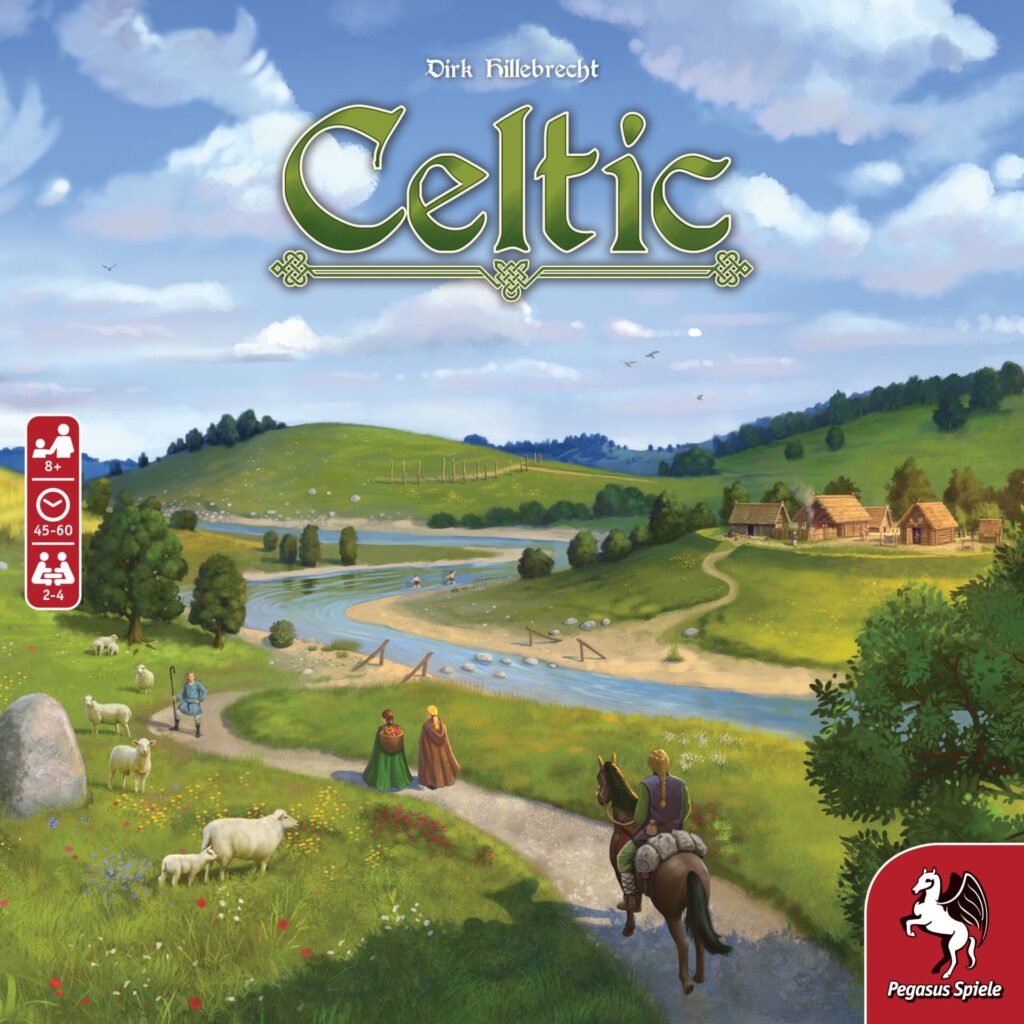
Overview
Celtic looks calm on the table, but it gets properly scrappy once everyone spots a good move. I played it with friends, and our polite plans vanished faster than snacks at game night. This guide gives you a clear outline of the game rules and the best strategies for winning. You’ll learn how turns work, what to watch on the board, and when to grab points before your rivals can snatch them away.
What’s in the box
- 1 game board
- 4 player boards
- 4 chieftain figures
- 4 scoring markers
- 24 clan members
- 60 goods tokens
- 40 task cards
- 12 objective tiles
- 1 rulebook
How To Play Celtic: Rules Summary
Celtic is a route-building game where players guide their chieftain, gather goods, and complete tasks. Each turn matters, so plan ahead before your rivals pinch the best spots. Follow these rules to get your clan moving.
Setup: Prepare the Celtic Lands
- Place the main board in the middle of the table.
- Shuffle the landscape tiles and place them face down.
- Give each player a chieftain, a player marker, and the starting goods shown in the rulebook.
- Place the shared goods, task tiles, and bonus markers beside the board.
- Choose a first player. Then, continue clockwise around the table.
- Reveal the starting spaces and place each chieftain as shown by the setup rules.
Gameplay: Move, Gather, and Complete Tasks
- On your turn, move your chieftain along connected paths. You may travel through spaces that your route reaches.
- Next, take the goods or other reward shown on your destination space.
- Afterward, check your task tiles. If you meet a task’s requirements, complete it and claim its reward.
- Use your rewards to extend routes, unlock new areas, or improve your future turns.
- When you place or connect a tile, follow its printed effect straight away.
- Finally, refill any face-up tiles or task spaces before the next player acts.
- Keep watching the board. A short route now may save several turns later, while a greedy detour can leave your chieftain wandering like he lost his sheep.
Winning: Score the Most Clan Glory
- Earn points by completing tasks, collecting bonuses, and building useful connections.
- Apply each scoring condition as soon as the rules allow it. This keeps the final count tidy and prevents table arguments.
- When the game-ending condition appears, finish the current round if the rulebook instructs you to do so.
- Then, add all final bonuses and count each player’s points.
- The player with the most points wins and earns bragging rights over the whole clan.
- If players tie, compare the tied players’ remaining goods or completed tasks, using the rulebook’s tiebreak order.
Special Rules & Conditions: Watch the Fine Print
- Follow the text on a tile, task, or bonus before using the normal board rule when the two effects disagree.
- Do not collect a reward twice unless a card or tile clearly allows it.
- Keep goods and completed tasks visible so everyone can check your progress.
- Respect blocked routes and occupied spaces. You cannot use a path or space when the rules mark it as unavailable.
- Resolve effects in the order they appear: move first, collect next, and score last.
- Once you complete a task, leave it in your scoring area unless its text says to return it.
- When the supply runs out, use the rulebook’s replacement rule instead of inventing a fresh one. My group tried that once, and somehow a sheep became legal currency.
That is the core of Celtic: build smart routes, grab the right goods, and finish tasks before your friends steal the good options. After one practice game, most players will understand the flow. After three games, someone will claim they planned everything from the start.
Best Celtic Strategies
Celtic Tile Placement: Build a Winning Map
In Celtic, smart tile placement wins games than flashy moves. After testing it with friends, I learned to build, then pounce when rivals crowd each other.
Secure Flexible Spaces
- First, place tiles that connect scoring options. This keeps your plan alive when the board shifts. Also, avoid sealing yourself into one corner.
Use Bottlenecks Wisely
- Next, block routes only when the reward beats the lost connection. Meanwhile, leave rivals awkward gaps; they will waste turns fixing them.
Time the Finish
- Finally, hold one tile for the late game. Then place it beside your strongest group, triggering bonuses while opponents scramble.
Celtic: Trade Smart, Travel Far
Plan routes before trading starts. After games with friends, I learned short paths win, while linked routes score big later.
Choose profitable links
- First, connect nearby villages to avoid wasted movement.
- Next, reserve one trade for a return trip.
Control traffic
- However, don’t clog your road with a cheap deal.
- Instead, use side roads when rivals crowd the main lane.
Time the finish
- Finally, hold flexible routes until bonuses appear.
- Then, complete the longest chain before opponents can react.
Therefore, trade for position, not just coins. In Celtic, a detour often beats a greedy bargain.
Time Your Bonuses for a Big Celtic Win
Watch the Board
- First, check which bonus objectives remain available.
- Then, note opponents who can claim them before you.
Build Toward Goals
- Next, place tiles that support two objectives at once.
- Meanwhile, avoid weak moves just to score early.
Save Your Push
- Keep flexible pieces until the bonus timing becomes clear.
- However, claim a safe bonus when rivals threaten it.
Finish With Force
- Finally, trigger your strongest objective near the end.
- Therefore, force opponents to waste turns reacting.
Build Smart, Trade Well, and Leave the Table Smiling
Celtic rewards players who plan ahead without locking themselves into one grand master plan. In our games, the winner usually watched the board, grabbed useful links, and waited for the right moment to score bonuses. The player who chased every shiny option ended up with a board that looked like my kitchen drawer: busy, confusing, and missing the thing they needed.
Keep your routes flexible, block rivals when it helps, and save your best moves for the final turns. Most of all, enjoy the puzzle. Celtic gives you plenty to think about, but it never asks you to stop having fun.
Want to know what we think of Celtic? Read our detailed review of Celtic here