
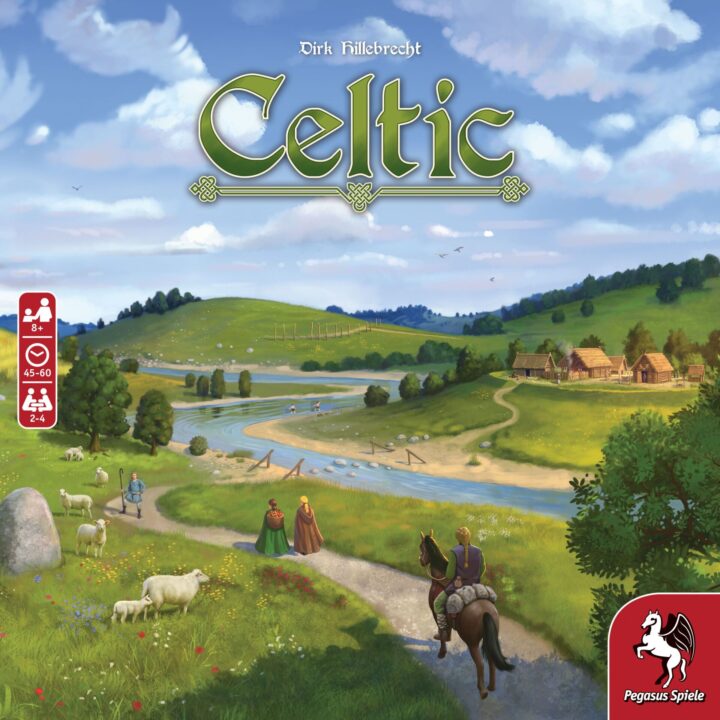
Celtic is a clever board game about building routes, grabbing points, and trying not to look worried when your best plan falls apart. This review looks at how the game works, how much luck gets involved, and whether the choices stay fair from start to finish. It offers plenty to enjoy, though a few moments can feel a bit fiddly when the board gets crowded.
How It Plays
In Celtic, you lead a tribe across the land, gather goods, and complete tasks. Each turn gives you a small choice: move, collect, or set up a handy scoring chance.
Setting up
Place the board and its goods, task tiles, and other pieces as shown in the rulebook. Each player takes a tribe, places their people on the starting spaces, and receives their first task. Keep the spare goods and task tiles nearby.
Gameplay
On your turn, move your tribe around the board and collect the goods shown on the spaces you visit. Use those goods to complete tasks. Finished tasks earn points and may give you useful new options. Plan your route, watch what others need, and avoid leaving the best spaces open for your rivals.
Winning the game
The game ends when a player completes the required number of tasks. Everyone adds up their points from completed tasks and other bonuses. The player with the most points wins and gets to act like a true Celtic chief for at least five minutes.
Want to know more? Read our extensive strategy guide for Celtic.
Core Gameplay and Rules in Celtic
Celtic gives each player a clan, eight colorful workers, and one goal: build the best network of connected land tiles. On your turn, place one tile beside an existing tile, then move one worker onto a matching landscape. Forests join forests, villages join villages, and links slowly turn a messy map into a tidy kingdom.
Each tile shows two land types, and you must match one side when placing it. If both sides fit, even better; that choice can create a chain later. Workers score when they stand in a completed region, with more points for groups. You return the worker to your supply, so the scout can earn again. This keeps the board and stops a lucky placement from ending afternoon.
In our games, turns moved once everyone knew the routine. Draw a tile, place it, move a worker, check scoring, and pass the bag left. Celtic includes shared spaces and tight edges, so players often block a route without starting a fight. The rules stay friendly, but the map can feel rude when your village gains a fence around it.
Balance gives Celtic its charm. You can plan around tiles, yet the board changes after every turn. I liked that tension; friend Sam called his blocked road “a cardboard crime.” The game ends when tile stack runs low, then players finish the round before counting regions. Players may forget this, so remind them before draw. Next, we’ll see whether planning or lucky pulls rules the Celtic table in Strategy versus luck.
Strategy vs Luck in Celtic: Can Smart Play Win?
Where the Luck Lives
Celtic gives you a small hand of tiles each turn and asks you to spot the best match for your current plan. You might chase a set of matching symbols, build a chain across the map, or grab a tile that blocks an opponent. The draw brings some luck, but it rarely feels like a coin toss. A poor tile can sting when your plan needs one exact link. Still, clever players keep backup routes open.
Planning Ahead, Not Praying
In our games, the strongest moves came from reading the board before picking a tile. I often wanted to score fast, then watched my friend Sam quietly build a safer network beside me. He took fewer flashy points early, yet his later turns paid off. Celtic rewards that patience. You must weigh immediate points against future access. A tile may score now but close a valuable route. Another may look dull while setting up three scoring turns. This choice gives the game its best moments.
Does the Draw Decide Everything?
Not quite. Celtic never lets luck vanish, and that keeps each round fresh. However, luck can matter more with fewer players, when one person needs a rare symbol. With four players, the board changes so often that flexible plans shine. I liked this balance, though one game handed Sam a perfect chain and made the rest of us groan like tired medieval peasants. The game could offer more ways to soften a bad draw, perhaps through a small swap rule or wild tile. Even so, smart timing usually beats blind luck. Next, Player interaction and tension will show whether those careful plans survive when friends start stealing spaces and smiling far too sweetly.
Celtic Player Interaction and Table Tension
Nobody shouted like a wounded goblin, but every turn caused a small shift in the room. Players watched each other’s choices, guessed at hidden plans, and groaned when someone stole the spot they wanted. That gentle pressure gives Celtic its best spark.
Quiet Rivalry
The game creates interaction without forcing direct attacks. You cannot smash a rival’s village or empty their hand. Instead you compete for useful spaces, timing, and attention. A player who waits too long may find a perfect route blocked. A player who grabs a prize too early can reveal a plan and invite everyone else to copy it. I once watched Mia spend three turns building toward a clever move, only for Dan to slide into the key position first. She smiled, said “fair,” then plotted revenge with the calm face of a cartoon villain.
Friendly Pressure
Tension grows because Celtic keeps information open. Everyone can see the board, yet nobody knows which goal matters most to another player. This creates bluffing, but not the loud kind. We bluff by acting casual, taking a modest option, or leaving a tempting space untouched. Still, interaction stays friendly. The game rarely punishes one person just to help another, so sore losers have little ammo. The weak point? A quiet player can miss a contest and feel left behind. Next, we will check Celtic’s replay value and balance to see whether that friendly tension lasts.
Celtic Replay Value and Balance Review
After six plays of Celtic with my usual game night crowd, I still wanted to set it up again. That feels like a good sign. The game stays fresh because each session gives players new targets, new scoring chances, and new reasons to change their plans. I never felt like I had solved the whole puzzle, which is nice. My brain has enough chores already.
Does Celtic Stay Fresh?
Celtic works best when players bring different habits to the table. One friend chases points early, another waits for a bigger payoff, and I tend to panic near the end. Those styles create fresh results without making the game feel random. The board also looks different from one play to the next, so familiar choices do not always carry the same value.
The replay value drops a little once everyone knows the strongest scoring routes. Experienced players can spot good options faster, and newer players may need a few games before they catch up. Still, Celtic avoids the dull feeling of following one perfect script. We found enough room for small mistakes, bold plays, and last-minute changes to keep the table interested.
Balance Between Players
Balance impressed me more than I expected. No player gained a huge edge from sitting in one seat, and the final scores usually stayed close. That made every result feel earned. I did notice that a player who falls behind can struggle to recover, especially in a tight game. Celtic does not hand out many free gifts, so one poor round can linger.
Even so, the gap never felt unfair during our plays. Skilled players won more often, but newer players still had a fair shot. That is the sweet spot for me: Celtic rewards care without turning the winner into a smug wizard. I recommend Celtic for groups that want a game with strong replay value and mostly solid balance.
Conclusion
That concludes the review of Celtic. Luck adds a little spice, but it rarely steals the whole meal. The player interaction keeps things tense, especially when someone blocks your best move and then smiles like they did nothing. Celtic offers solid replay value, fair scoring, and enough room for clever choices. It does have a few quiet moments, and new players may need a game to learn the flow. Still, I enjoyed returning to it, and I think it works best with players who like calm competition and small tactical wins. Celtic will not shout for attention from the shelf, but it earns its place there.