
How To Play: California
California is a tile-laying game about building stylish homes with furniture and decor. Each turn, players choose items from the market, place matching tiles in their rooms, and chase scoring goals. Smart timing and tidy sets win the day, while greedy shopping can leave your wallet looking very sad.
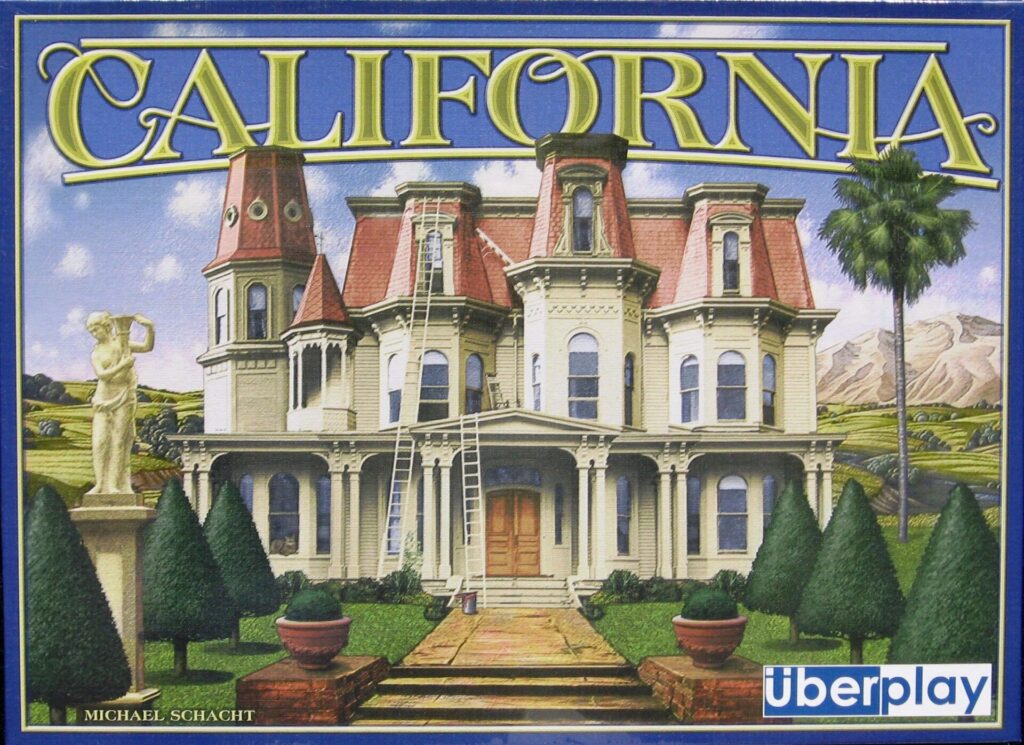
Overview
California turns a sunny home makeover into a sneaky little contest of planning, trading, and bragging rights. After playing it with friends, I found that every room can spark a small argument, especially when someone grabs the perfect furniture piece first. This guide gives you a clear outline of the game rules, from taking tiles to scoring rooms. It also shares the best strategies for winning, without making your brain sweat through your hat.
What’s in the box
- 1 game board
- 4 house boards
- 4 player aids
- 4 player markers
- 1 round marker
- 1 starting player marker
- 100 furniture tiles
- 12 room tiles
- 60 coins
How To Play California: Rules Summary
California turns a dusty old house into a cheerful home full of furniture, guests, and just enough table drama to make your friends question your decorating taste. Follow the rules below, and you will be hanging lamps before anyone can say, “That sofa clashes.”
🏡 Setup: Start With a Bare House
- Give each player a house board and the starting pieces shown in the game rules.
- Place the furniture tiles, money, guest pieces, and other tokens within reach of everyone.
- Shuffle the furniture tiles and create the face-up market. Then, refill empty market spaces during the game.
- Give each player the starting money and any starting cards or tokens listed in the setup rules.
- Choose the first player. For a quick start, let the person who most recently cleaned a room go first. Yes, that rule rewards rare heroism.
🛒 Gameplay: Buy, Place, and Improve
- On your turn, choose one legal main action: take money or buy a furniture tile from the market.
- If you take money, collect the amount shown by the current money supply or income space. Then end your turn.
- If you buy furniture, pay its cost to the supply and take the tile. Replace the missing market tile when the rules tell you to do so.
- Place the furniture in an empty space in your house. Follow the placement limits printed on your house board or tile.
- Try to match furniture types, colours, or room needs. These matches help you complete sets and earn more points later.
- Some tiles give extra effects, guests, or bonus chances. Resolve the effect as soon as you place the tile, unless the tile says otherwise.
- After you finish your action, pass play to the next player. Continue clockwise.
🏆 Winning: Build the Best Home
- Keep playing until the game reaches its end condition, usually when a player fills the required parts of their house or the available furniture supply runs low.
- Finish the current round when the rules require it, so every player receives the same number of turns.
- Score completed furniture sets, room bonuses, guest rewards, and any other points shown on the cards or tiles.
- Subtract any penalties listed by the game, including unfinished areas or unused requirements if the scoring rules include them.
- Add your points. The player with the highest total wins California and earns the right to brag about their very fancy imaginary house.
- If players tie, use the listed tiebreaker. Usually, the tied player with the most remaining money or the most completed sets wins.
⚠️ Special Rules & Conditions: Mind the Fine Print
- You cannot buy furniture unless you can pay its full cost. Your friends will notice if you try to finance a giant sofa with pocket lint.
- You cannot place furniture in a full space or ignore a placement restriction on your house board.
- Resolve immediate tile and guest effects before the next player begins a turn.
- If the market cannot refill because the supply has run out, leave that space empty and continue following the normal turn order.
- When a card or tile conflicts with a general rule, follow the text on that card or tile.
- Keep your money and private cards hidden when the rules mark them as secret. However, reveal scores and completed sets when the game ends.
- Do not move furniture after placing it unless a special effect allows movement. Planning matters, which explains why my “temporary” sofa placement has caused so many regrets.
California works best when players balance short-term cash with long-term house plans. Therefore, do not grab every cheap tile you see. Watch the market, finish useful sets, and leave room for better pieces. Above all, remember that a beautiful house with no points still loses to a slightly ugly house with excellent scoring.
Best California Strategies
Build Smart, Collect Fast, and Leave Everyone Else Tile-ly Worried
Claim Useful Spaces
- Place tiles where they support two goals. After several games of California with friends, I learned that a pretty layout means little without useful sets.
Start Sets Early
- Collect matching items quickly. However, avoid grabbing every type, because scattered pieces slow your scoring.
Watch the Board
- Check opponents before placing. If someone needs one tile, take it first or force them toward a weaker set.
Finish with Purpose
- Complete your strongest set before chasing another. Then, use your final placements to block rivals and gain bonus points.
Buy at the Right Moment: Let the Market Blink First
In California, market purchases decide whether your next turn feels brilliant or like a tiny financial disaster. First, watch what opponents chase. If several players need one item, buy it early, but only when it supports your plan. Otherwise, wait and let them spend their coins. My friend Sam once grabbed a shiny piece, then discovered he needed three turns to use it. We still tease him.
Check the Display
- Check the display before buying; refreshes can reveal better choices.
Measure the Cost
- Compare prices with your next scoring chance.
Protect Your Coins
- Save coins when rivals lack funds.
Finish With Force
- Finally, buy late when one purchase completes your goal. Then pounce.
Turn California Bonuses Into Your Winning Moment
Scoring goals and bonuses can lift your score fast, so plan them before the final turns. First, watch which goals match your current board. Then, choose rewards that help twice: they should score points and improve your next move. Also, keep an eye on rivals, because blocking a shared goal can hurt their plans. Meanwhile, do not chase every bonus. A small, safe reward often beats a flashy target that needs three lucky breaks. Finally, check the endgame rules early. Save one strong scoring chance for the finish, and you may leave your friends counting points through salty tears.
Study Goals Early
- Check every available goal.
- Mark the easiest high-value target.
Choose Double-Duty Rewards
- Pick bonuses that score now.
- Favor rewards with lasting value.
Watch Rival Progress
- Track nearly completed goals.
- Claim key rewards first.
Save a Closing Punch
- Hold one strong scoring chance.
- Finish before rivals can react.
Build Smart, Buy Bold, and Leave California Grinning
California rewards players who plan ahead without treating every turn like a tax audit. Place tiles with care, collect useful sets, and watch the market before spending your cash. Keep an eye on scoring goals too, since one well-timed bonus can turn a close game into a sweet victory.
After several games with friends, I found that the best players stayed flexible. Plans changed, markets dried up, and someone always bought the tile I wanted. Stay calm, grab strong chances, and make every purchase count. Do that, and California will leave your rivals feeling like they missed the last flight home.
Want to know what we think of California? Read our detailed review of California here