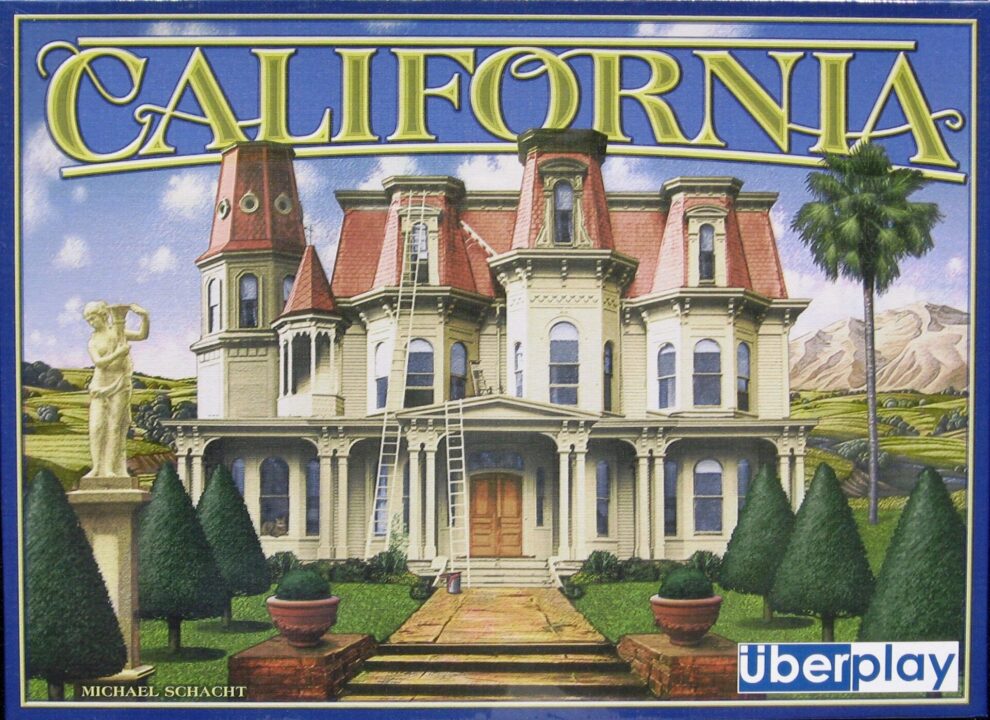

This is my review of California. After several games with friends, I learned that fixing up a sunny home can cause more arguments than assembling flat-pack furniture. Players draft tiles, plan room layouts, chase helpful bonuses, and quietly judge each other’s decorating taste. The rules stay friendly, the choices feel smart, and luck rarely grabs the steering wheel. A few scoring moments could feel tighter, but this game offers a warm, clever contest with plenty to enjoy.
How It Plays
Setting up
Each player gets a house board, a starting amount of money, and a few hidden goals. Place the furniture tiles, room tiles, and supply tokens within reach. Give everyone a player aid, then choose the first player. No hard hat needed, thankfully.
Gameplay
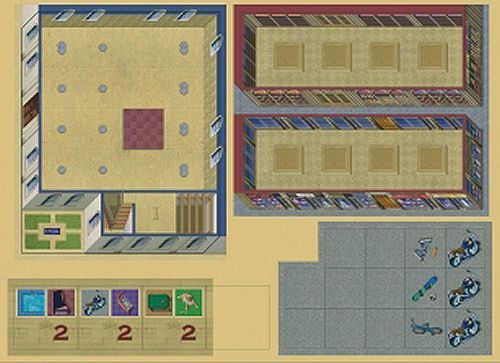
On your turn, take money from the supply and spend it on tiles for your house. You can add rooms, windows, doors, gardens, and furniture. Place each tile carefully, as matching rooms and completed areas earn rewards. You can also work toward your secret goals and collect bonus tokens.
Players take turns until the game reaches its end condition. The available tiles change as people buy them, so you must balance your dream home with what your friends leave behind. My group learned this the hard way when one player bought every nice sofa. A dark time for interior design.
Winning the game
When the game ends, players score their completed rooms, decorations, goals, and bonus tokens. Add everything together, and the player with the most points wins. In a tie, the player with the most remaining money takes the crown and, presumably, the fanciest imaginary estate.
Want to know more? Read our extensive strategy guide for California.
House Renovation and Decoration in California
Planning Your Rooms
In California, each player starts with a tired house and a dream. You renovate rooms by collecting matching tiles, then spend them to improve walls, floors, windows, and gardens. The goal sounds simple, but my friends and I soon learned that every lovely sofa creates another problem. A fancy kitchen needs space, while a sunny patio begs for plants. My first game ended with a house that looked like a yard sale after an earthquake.
The renovation system rewards planning without turning each turn into a spreadsheet. Players choose improvements from shared supplies, so you can chase a style while quietly blocking mine. The best moments come when someone grabs the last blue tile and ruins my grand bathroom plan. I complained loudly, but I also admired the move. Each room gives a perk or score boost, and completing a color group often feels better than simply buying the most expensive item. This keeps choices tight and meaningful.
Decoration is where California gets its charm. You place furniture, artwork, plants, and lamps to build a home that feels lived in rather than oddly empty. Some pieces score more when they sit near matching features, so clever placement matters. In our four-player games, we laughed as Ben made a purple living room with no chairs. It scored poorly, but looked ready for a nap.
Next, we’ll examine tile drafting and placement, where every tempting piece may vanish before your hand, leaving dreams, grumbles, and mild table rage at home.
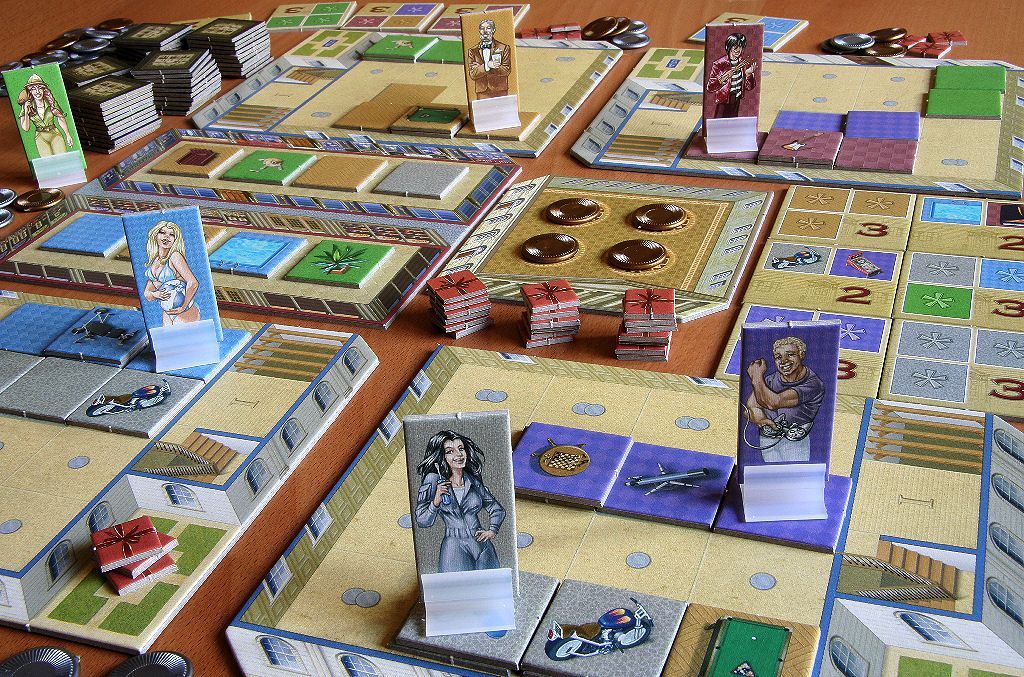
California Review: Tile Drafting and Placement
Pick a Tile, Build a Plan
In California, every tile feels like a small renovation job with a surprisingly large opinion attached. Players choose from a shared display, then place the piece in their home. The basic act sounds simple, but the choices quickly turn tight. I have watched friends stare at one yellow tile as if it held the universe. Meanwhile, another player quietly stole it.
Drafting creates a nice tug of war. You want the perfect color or pattern, yet waiting may leave you with a sad little pile of leftovers. The display changes after each pick, so players must watch more than their own board. I like this pressure because it rewards planning without becoming a maths exam. Still, the open market can feel stingy when several players chase the same shape.
Placement gives each choice some weight. Tiles must connect neatly, and good layouts can unlock points, bonuses, or useful room links. A badly placed piece does not ruin the whole game, which I appreciate. My group has made ugly houses, and we still smiled.
The best moments come when a modest tile suddenly completes a plan. You can feel the table lean closer as someone spots a clever fit. Placement also stays easy to learn. New players understand the grid fast, while experienced players find room for sharper choices. I wish the tile supply offered a little more variety in some games, since repeated shapes can make later rounds feel familiar. Next, we will see whether these peaceful tile choices survive player interaction and competition, where builders may become sharks wearing tiny cardboard hats once the table gets crowded.
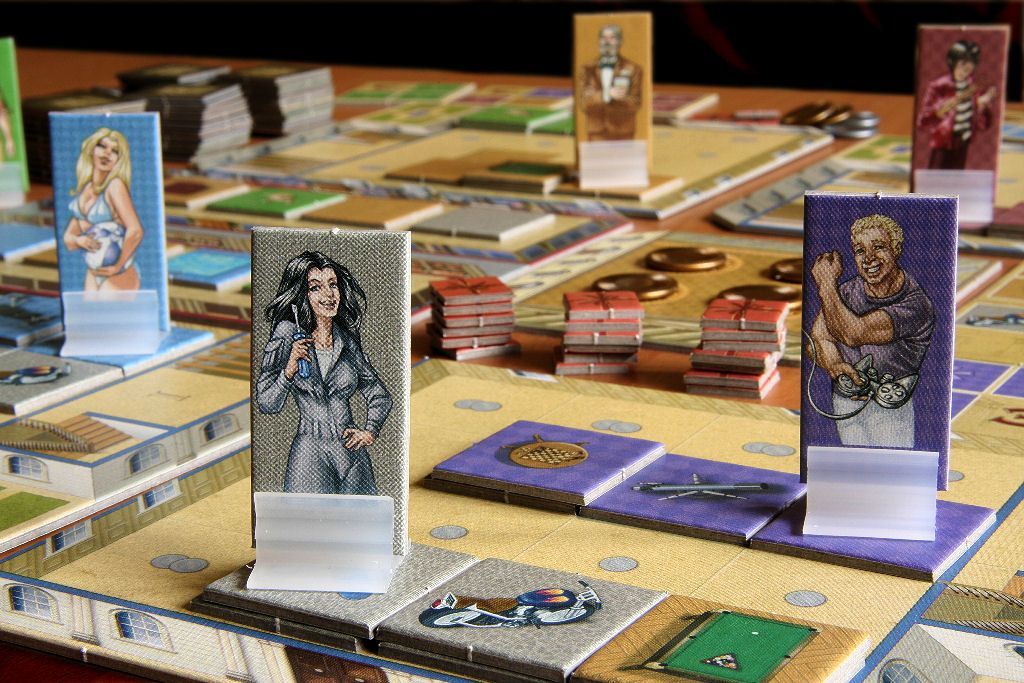
California Board Game Review: Player Interaction and Competition
California puts players in the same sunny backyard, then quietly asks who can smile while stealing the best chances. In our games, my friends watched each other almost as closely as they watched their own boards. That sounds friendly, but Ben once snatched the one thing I needed and then claimed he had ‘not noticed.’ He noticed.
Friendly Tables, Sharp Choices
Most interaction comes from shared choices and timing, rather than direct attacks. Players can affect another person’s plans by taking a useful card or grabbing a handy item before it disappears. This creates a nice tug of war. You rarely feel bullied, yet you always feel watched. The table gets quiet when someone spots a clever move, then loud when that move ruins somebody else’s evening. My group laughed a lot, though one player called the game ‘polite sabotage.’ That feels exactly right.
Competition Without the Tantrums
California keeps its rivalry fairly clean. Players compete for limited chances, but the game does not let one person hammer another into the ground for an hour. A strong turn can change the mood, yet nobody loses all hope after one bad result. I like that restraint. It rewards attention and nerve, not table bullying. Still, the interaction can feel mild with a quiet group. If everyone focuses only on themselves, California becomes a pleasant solo puzzle.
That softer contest suits players who enjoy reading the room and making small swings. It also makes every choice feel social, even when nobody says much. I enjoyed the back and forth, and I never felt cheated by a lucky hit. Next, I will check Replayability and game balance to see whether California stays fresh after the sunny welcome wears off in future games with my friends.
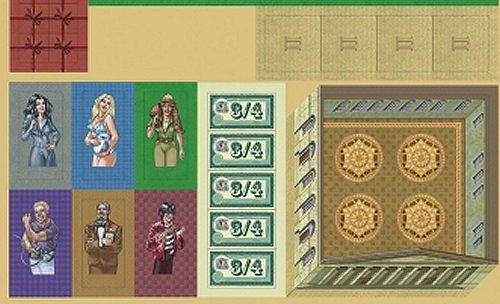
California Board Game Replayability and Balance Review
After several evenings with friends, California still earns a place on my shelf. The game gives each player enough room to try new plans, without turning every match into a fresh rulebook wrestling match. Our first games felt cautious. By game four, we took bolder risks and found tricks we missed before. That steady learning curve gives California solid replay value.
Why it stays fresh
The variable goals keep changing what feels valuable from one session to the next. They push us toward different choices, so I cannot sleepwalk through a familiar plan. One night, I chased a tidy score. The next night, I focused on a less obvious route and laughed when it worked better. The setup also scales well, though four players create more table talk and longer turns. At two players, California feels more like a quiet puzzle.
A fair fight
California does not hand victory to the person who grabs the flashiest option. Each player can build a useful path, and the scoring rewards good timing more than wild luck. Random draws add some spice, but they rarely wreck a careful player’s turn. In our group, one lucky pull caused cheers, not a groan. Still, a poor start can make recovery feel steep. New players may need one game to see the best moves.
The long-term test
After five plays, our group still had reasons to return. We started spotting links between choices, and we argued over clever ways to score more from the same moment. That sounds nerdy, but board games turn us into nerds with snacks. The game stays balanced because no single trick dominates every session.
I recommend California for groups seeking fair replay value.
Conclusion
This concludes my review of California. After several games with friends, I found a bright, clever game about fixing up a home without needing a second mortgage. The tile drafting gives you plenty to think about, while decorating your house feels rewarding when the pieces finally click into place. Player interaction stays friendly, though someone will still steal the exact tile you needed. The scoring feels fair, and the game offers enough fresh goals to keep each session feeling new. It does not reinvent board games, but it delivers a fun, smooth experience with very little fuss. I would happily play it again, preferably before my own house needs this much work.