
Welcome to my review of Zigzag! My game group has spun, dashed, and bickered our way through this speedy board game, and I’ve brought back tales from the front lines. If you ever wondered how slippery tiles and wild table banter blend together with a dash of chaos (and a sprinkle of lucky breaks), grab a chair! I’ll give you all the highs, lows, and sideways moves before you rush to buy it — or run far, far away.
How It Plays
Setting up
Toss the tiles face-down in a pile so no one peeks. Hand out player markers (mine usually end up scattered before we start). Each player grabs a reference card and sets their marker at the start line. Place the action cards nearby, and prepare for some chaos.
Gameplay
On your turn, flip a tile and move your marker the shown direction—sometimes forward, sometimes back (cue dramatic sighs). Some tiles trigger action cards, and that’s when the real madness hits. You’ll swap places, block rivals, or even send someone back to start. It gets noisy fast. The real trick is staying cool while your friends plot against you.
Winning the game
First to cross the finish line wins! If two players zip across at once, the one furthest ahead takes the crown. Prepare your victory dance—or your dramatic speech if you got sabotaged right at the end (true story).
Want to know more? Read our extensive strategy guide for ZigZag.
How Does Zigzag Get the Table Talking? Gameplay Flow & Player Interaction
I’ll just say it: Zigzag is the kind of game that has everyone at my table talking, sometimes shouting, and one time, my friend Todd even tried to bribe me with a leftover cookie. The gameplay flows smoother than my grandma’s mashed potatoes on Thanksgiving. Each turn, you zig, your friends zag, and the board starts to look more like toddler art than a strategy map.
Zigzag keeps the action moving with quick turns and very little down time. Nobody’s left waiting so long they start texting their ex out of boredom. You make snappy decisions, then pass the focus to the next poor soul, who will likely blame you for their future mistakes (that’s become a classic move at my house). And the best bit? You can mess with your friends’ plans, but you can also help them—on accident. There’s just enough interaction to spark friendly trash talk, but not so much that it ruins friendships. At least, not permanently.
What really gets people going is the chain reactions. You think you’ve set yourself up for success, but then Kevin, who has never won a game in his life, manages to ruin your plan and somehow benefit Sophie at the same time. It never gets old watching smug grins turn into jaw-drops. Zigzag’s got a real knack for keeping everyone on their toes while making sure nobody zones out or feels left in the dust.
Now, if you’re someone who likes fair fights over pure chaos, hang tight—next, I’ll unravel whether Zigzag lets brains beat lucky bounces or if it’s all just a roll of the dice.
How Much Does Luck Influence Zigzag?
Alright, let’s get to the meat and potatoes: Is Zigzag all about clever moves, or is it just pushing your luck and hoping for the best? After a handful of heated rounds with my friends (shoutout to Karen for her suspiciously good fortune), I can say Zigzag finds itself wobbling on that tightrope between luck and strategy. The rules are simple enough that you’re not buried in options, but there’s real room to make decisions. You can plan your path, trap your mates, or bluff your socks off. But here’s the catch—there’s a heap of random events tossed in the mix. Sometimes it felt like planning was only half the battle and the other half was hoping the board didn’t flip the wrong way at the worst time.
Don’t get me wrong, I love a bit of chaos in a board game. But Zigzag does sometimes lean a bit heavy into pure luck. I watched my buddy Jake go from hero to zero because of one bad card flip, and he’s still complaining about it. If you’re hunting for a game where the best thinker always wins, you might get grumpy with Zigzag. On the other hand, if you want a party game where strange things happen and everyone has a chance, this zigzagging ride is good fun—just don’t throw your strategy book out the window yet.
Coming up: let’s talk about how Zigzag looks and feels on the table—because nobody likes playing with ugly, flimsy bits, right?
Zigzag’s Pieces: More Than Just Eye Candy?
When I first unboxed Zigzag, I hoped for a glorious shower of dazzling bits. The box itself is bright and almost dares you to open it! Inside, you get chunky tiles that feel solid, not like those cheapo tokens that shed cardboard flakes if you look at them funny. I accidentally spilled my drink (don’t judge, it was a tense round) and those tiles wiped up good as new. The colors pop off the table and actually help keep track of whose zig is zagging the furthest ahead.
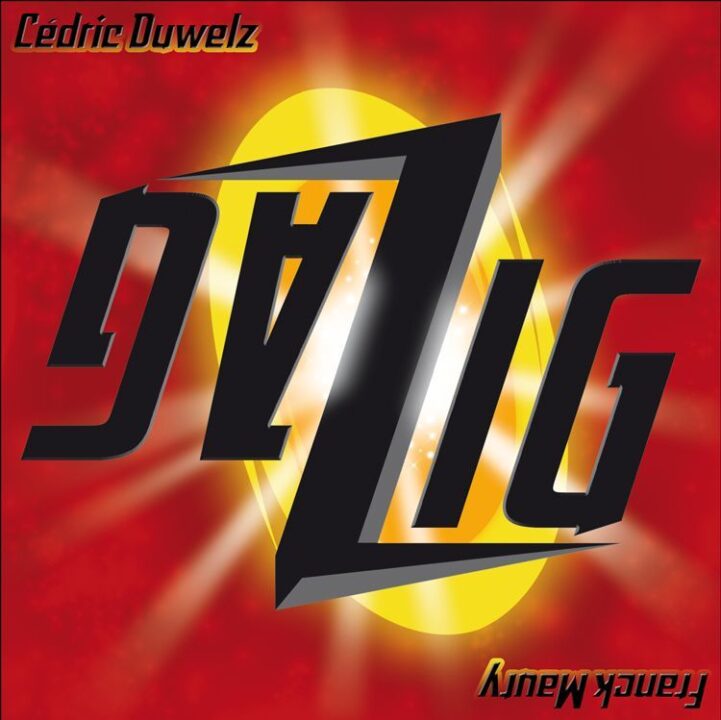
The board’s artwork has a playful vibe, which fits the game’s fast pace. It’s not one of those games that’s trying to be a modern art piece, but there’s enough fun detail to keep your eyes amused between turns. My friends sometimes judge a game by the box art before we even play—luckily for Zigzag, it passes the gut check and then some.
Now, about the cards: They’re not linen-finish or anything fancy, but they shuffle fine and don’t stick together. That said, I wouldn’t mind if future editions added some cool illustrations to the cards; right now, the design is simple and practical, if a bit boring once you’ve played a dozen times. Your cat won’t be impressed, but your wallet might appreciate the savings.
Wondering if Zigzag holds up with your game-night crew or a bunch of enthusiastic strangers? Buckle up, because next I’m tackling its replayability with every group under the sun!
How Replayable is Zigzag With Different Groups?
Let’s talk about the real test of any board game: How many times can you actually play it before your friends start making excuses to go home early? In my house, Zigzag has made more rounds than a pizza at a birthday party.
One night, I tried Zigzag with my regular gaming gang—a rowdy crew who can smell a boring game from a mile away. We laughed, teased, and argued (the good kind) through three straight sessions. The table felt alive. The game’s quick pace and ever-changing decisions kept everyone paying attention, even through my horrible jokes. Nobody reached for their phones even once, which is rare unless there’s food.
The next week, I brought Zigzag to family night. My niece, who usually loses interest in anything not on TikTok, asked if we could play it again. My brother-in-law, who can’t stand complicated rules, picked it up in two turns and was suddenly more competitive than a cat in a laser-pointer store. Different groups mean different strategies, and Zigzag gave them all room to play how they wanted. I even tried it with a mix of quiet introverts and loud extroverts—both sides found something to love (once I bribed them with snacks).
Bottom line? If you want a game that pleases veterans and new players, Zigzag is a solid bet. I’d recommend it for most groups—unless everyone hates fun, then, well, you might need new friends instead of a new board game.
Conclusion
Alright folks, that’s a wrap on my time with Zigzag! After more rounds than I care to admit (and a few too many snacks), I’m happy to say that Zigzag is a blast for anyone craving quick, social fun. It shines with snappy turns, easy rules, and bright, sturdy pieces that even survived my friend Tom’s infamous nacho spill. But heads up—if you get grumpy about luck messing up your plans, Zigzag might poke that nerve. It walks the line between skill and chance, so don’t expect every game to reward your big brain. Still, if you play for laughs and those “oh no!” moments, Zigzag is an easy win for game night. Whether you’re a diehard strategist or just want to annoy your friends (in a nice way), it’s worth a spot on your shelf. Thanks for sticking with me through this review! Time to zig and zag on to the next board game adventure…