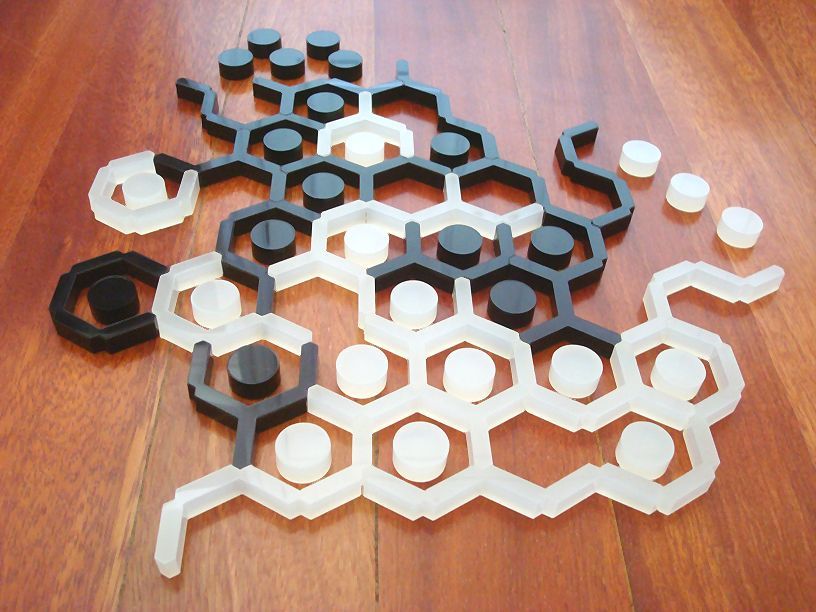

Let’s be honest, I only started this review because someone promised me snacks. But once the snacks were gone, I found myself surprisingly hooked by Twigs. This review covers the good, the quirky, and the “I can’t believe Bob won again with sheer luck” moments from our nights spent playing this oddly charming little game. If you want to know whether it’s worth picking up for your next game night—or if it’ll drive you nuts instead—keep reading.
How It Plays
Setting Up
First, shuffle the branch cards and put them in the middle of the table. Each player grabs a tree trunk and a handful of tiny leaf tokens. Try not to knock over your opponent’s coffee cup at this stage.
Gameplay
Players take turns picking cards from the center and adding branches to their tree. Each card has a funky shape, so you’ll fiddle to fit it on your trunk without the whole thing toppling over. There’s also a race to nab the prettiest leaves before your cousin Steve (not you, Steve) hoards them all.
Winning the Game
Once the last branch card is drawn, players count up their leaves and bonus points for difficult branches. Whoever has the most points is crowned the Lord of the Twigs and gets to gloat—until the next game, anyway.
Want to know more? Read our extensive strategy guide for Twigs.
Twigs: Gameplay Mechanics and Player Interaction That Don’t Leaf You Bored
I sat down with my usual bunch of board game pals last Saturday, fully fueled by pizza and dangerous levels of soda, ready to see what Twigs had to offer. The main mechanics are simple but keep you thinking. Each player takes turns selecting branches, matching colors or sizes, and trying to build the most impressive tree. You know, the kind of tree that makes squirrels jealous. The rules are very clear and you won’t find yourself bogged down with a rulebook half the night—which I appreciate since my attention span is only slightly longer than a mayfly’s.
There’s a neat combo system where, if you lay your twigs in a certain way, you score bonus points. My friend Tim managed to make a ‘super-branch’ early on, and he was unbearable about it for the next hour. Still, the mechanic rewards planning and a bit of forward thinking instead of blind luck, which gets a cheer from me. However, there is a random twig draw from the bag, which means sometimes you get stuck with a stubby branch and sometimes a glorious one. That’s the weakest point for me—luck can still swing the game, just a little.
Player interaction is good, especially if you’re the sort who likes to gently sabotage a friend’s plans (Tim, I’m looking at you). You can snag a branch they obviously want, and the table banter stays strong. Just don’t expect direct confrontation—Twigs is more about out-branching your rivals than chopping them down.
Next, we’ll see if Twigs has enough staying power to keep our group coming back, or if it’s headed for the compost pile of forgotten games.
Replay Value and Game Length in Twigs: Will You Keep Coming Back?
Let’s get real—some games gather dust after one round, but not Twigs. This little gem keeps popping up when my group wants something light, but not brainless. Each game of Twigs rolls out in about 30 to 45 minutes, which is honestly perfect for our short attention spans and appetite for more than one round per night. We can even squeeze in a revenge match after someone makes a tragically bad move (which, let’s face it, is usually me).
What keeps Twigs fresh after a dozen plays? For starters, the card distribution and available actions change up every time. Even the most stubborn strategist in my group (looking at you, Marty) has to think on their feet. The game doesn’t become predictable and stale, because those branching choices give you enough space to experiment. Sometimes you’ll pull the perfect combo, sometimes you’ll crash and burn—either way, you’ll want another shot. The replay value sits nicely between casual and committed, so you won’t burn out fast, but you also won’t get lost in endless permutations like some brain-melting Euros.
Game length is a sweet spot. It always feels like it ends just as you’re getting into the groove, which for us means it’s easy to play two, or even three games in a night without anyone grumbling. And trust me, people in my group will grumble about anything.
Next time, I’ll toss out my thoughts about Twigs’ component quality and artwork—because nothing says fun like judging cardboard and shiny things!
Component Quality & Artwork: Does Twigs Impress Out of the Box?
Let’s get something straight. I’m no snob, but when I cough up cash for a board game, I want to feel good about what I get in the box. Twigs actually surprised me here. The first thing my friend Andy noticed was the weight of the box. “Whoa, did they pack real trees in here?” he asked. Well, not quite. But the wooden twig tokens look like someone actually whittled them under a full moon. They’re chunky, satisfying to hold, and I now keep one on my desk for good luck (though it doesn’t help me win any more often).
The cards in Twigs have a nice linen finish. If you’re a serial shuffler like me, you’ll appreciate they don’t stick together or feel flimsy. The board is simple but clear. My color-blind buddy said the icon shapes helped him tell things apart, which is a win in my book. The art style has this cozy, hand-drawn woodland vibe. Not every animal looks exactly like the real thing, but it fits the friendly tone. I mean, the badger looks more like my uncle Jeff after Thanksgiving, but I love him for it.
One small gripe: The bag for drawing twigs is a bit tight. I have big mitts, and I had to ask my niece to help in one game—she’s seven. Maybe next edition, bigger bags for us lumberjacks?
All in all, Twigs brings above-average quality and charm to the table. But let’s not get distracted by pretty tokens. Next up, let’s see if Twigs is a battle of wits or a game of crossing fingers and hoping for the best!
Luck vs. Strategy: Who’s Really Running the Twig Show?
Alright, let’s talk about the tug-of-war between luck and strategy in Twigs. When I sat down with my crew for our first go, I had high hopes. After all, the box promised more woodland cunning than a squirrel at a peanut sale. But, as the rounds went on, I noticed something odd: my usually brilliant tactical moves kept getting upended by fluky card draws and surprise twig snatches. I mean, one minute I’m building a majestic branch, the next my neighbor grabs the piece I needed ‘cause they happened to flip just the right card. My face was less ‘forest genius’ and more ‘sad beaver’.
Don’t get me wrong, there are some neat strategic choices. You’ll need to plan which twigs to chase and when to block your opponents. Timing your moves right can feel super rewarding—if, and that’s the big if, the cards smile on you. There’s a good amount of tactical blocking, and out-bluffing your friends might become your new superpower. But with so much riding on luck of the draw, sometimes it feels like strategy got lost in the underbrush.
Now, if you love chaotic, laugh-out-loud games where weird stuff just happens, Twigs could nest nicely in your collection. But if, like me, you get cranky when Lady Luck trips your careful planning, you might want to try a more balanced woodland adventure.
So, do I recommend it? I give Twigs a cautious nod and a wink—great for breezy fun, but don’t expect to win on brains alone. Wear your lucky socks.
Conclusion
And that’s it, folks! My review of Twigs comes to a close, much like my patience when I lose three games in a row because my friend draws all the good branches. Twigs shines when you want a light, breezy game with great art and bits. If you value strategy over luck, this might not become your evergreen favorite. But for a relaxed game night where you want to laugh, chat, and point out who just picked up a rotten stick, Twigs is a solid pick. Just don’t expect a brain-burner—this one’s about fun, not fierce competition. Thanks for reading, and may your next twig not snap in your hand!