
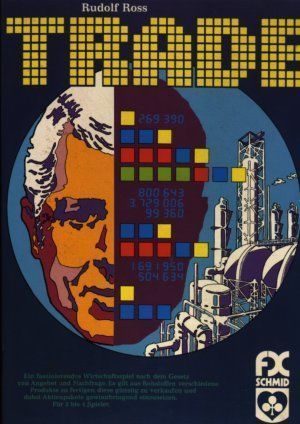
This review looks at a lively trading game where sharp deals, smart timing, and a bit of table talk can make or break your plans. Luck does show up, but it rarely steals the whole show. A few rough spots stop it from being perfect, yet the solid components and strong replay value make it an easy game to bring back to the table.
How It Plays
Trade puts players in charge of growing a small collection of goods through clever deals and good timing. You will swap items, watch the market, and try not to hand your friends the perfect bargain. Easier said than done, of course.
Setting up
Shuffle the goods and market cards, then deal each player a starting hand. Place the market cards in the centre of the table and give everyone any starting coins or tokens. Leave room for traded goods and completed sets.
Gameplay
On your turn, take the listed market action, then trade with other players when the rules allow it. You can offer cards, coins, or promises, though sharp players know promises often vanish faster than biscuits at game night. Collect matching goods, complete deals, and keep an eye on what your rivals need.
Winning the game
The game ends when a player completes the required number of trades, sets, or goals. Players then count their points from completed deals and valuable goods. The player with the highest score wins and earns the right to call every bargain “a master plan.”
Want to know more? Read our extensive strategy guide for Trade.
Trading and Negotiation in Trade
The game asks us to swap cards, goods, and favors so each deal pushes a plan forward. No one simply hands over a card for free. We weigh what we need now against what another player might gain. That makes even a small trade feel useful, sneaky, or slightly rude.
Deals That Matter
Negotiation works best when both sides see a reason to agree. I once offered a card that looked weak to me, but another player needed it to finish a set. I asked for a better return, and we settled on two smaller cards. Neither of us felt robbed, which is always nice at game night. The deal changed both our plans without handing one player an unfair boost. Trade rewards players who watch the table, remember past offers, and spot what others quietly need.
Talking Without Table Flips
The game also keeps negotiation fairly open. Players can make offers, refuse them, and adjust terms without needing a long speech. That pace matters. Trade gives talkative players room to shine, yet quiet players can still win by waiting and making one sharp offer. I did notice that confident players sometimes steer the room, so shy players may need to speak up before the best deal walks away.
Where It Wobbles
The trading system feels lively, though some deals depend on what cards appear. A poor hand can leave a player begging for help, while a lucky draw can create instant leverage. Still, negotiation often softens that sting. The strongest deals usually come from timing, not charm alone, and I liked how each offer carried a small risk. Next, Market timing and strategy will show when the smartest bargain is the one you refuse.
Market Timing and Strategy in Trade
Reading the Market
Trade rewards players who watch the table instead of grabbing the shiny offer. In our games, the market shifted whenever someone bought a common good, giving the next seller room to ask more. I learned this after paying too much for a resource my friend had quietly saved. My wallet still remembers. The best move is not always selling high. Sometimes you buy low and hold stock, hoping a rival needs it before the round ends. That feels great when it works, but it can leave you stuck while someone else scores.
Building a Plan
Good strategy starts with a goal. I usually picked one or two goods to chase, then kept spare cash for deals. Trying to collect everything sounds clever until your cards resemble a junk drawer. I tracked the market row too. If one item kept appearing, I avoided it unless the price dropped hard. If a rare item showed up, I acted fast, but not blindly. Still, smart players can recover from a bad buy. A poor choice hurts, yet it rarely ends your chances.
Where Timing Stumbles
Market timing feels strongest with four players. Two can make the market thin, while five stretches turns. New players may also hold goods too long and watch a deal vanish. That rule kept Trade brisk and choices sharp. Next comes Luck and player interaction, where plans meet chaos and betrayal.
Luck and Player Interaction in Trade: Can You Trust the Draw?
Luck Keeps Everyone Guessing
Trade uses luck to keep each round lively, but it never feels like the game plays itself. Cards and market changes can hand you a perfect chance or leave you staring at a pile of goods that nobody wants. I called it rude. She called it Tuesday.
At least luck creates drama without wrecking the whole plan. You can still make smart choices after a poor draw. That matters because Trade works best when luck opens a door, rather than kicks you down the stairs. A bad run can sting, especially with two players, where one missed chance may decide the winner.
Talk, Threats, and Table Theatre
Player interaction gives Trade its real spark. Players watch each other’s needs, then offer help with one hand while hiding a sneaky plan with the other. That noise makes every choice feel personal, but the game avoids total chaos because players cannot force a trade through.
When someone refuses your offer, you lose time, not your entire turn. That keeps conflict funny instead of cruel. I did wish the rules gave players a little more power to recover after terrible luck. A few rounds felt decided by the draw, and no clever speech could save them. Even so, Trade delivers lively table talk today and enough control to reward sharp eyes. Next, we will check Replayability and component quality, where the box either earns its shelf space or becomes fancy cardboard.
Trade Replayability and Component Quality Review
Fresh Games Without Fresh Rules
Trade has enough moving parts to keep repeat plays fresh. One night, we chased a clever set of items, then watched another player grab the exact cards we needed. My plan folded like a cheap deck chair. Trade does not hand you one puzzle to solve every time. It gives you a new mess to sort out, which I rather enjoy.
How Well Does Trade Hold Up?
Replayability comes from the mix of cards, player choices, and table habits. With two players, Trade feels calm and tidy. With four, it turns into a yard sale where everyone wants the same lamp. That change keeps the game lively across player counts. A few friends stuck to the same safe moves, and their games started to feel a bit samey.
Cards, Tokens, and Table Feel
The components do their job well. The cards use clear art and readable text, so nobody squints at the table like they are reading a pizza menu in a dark pub. The tokens feel sturdy enough for regular play, and the box keeps everything fairly neat. Nothing looks fancy, but the parts match the game’s simple style. I did notice some cards picking up light wear after many plays, so sleeves may help if your group handles cards like casino chips.
Final Verdict
Trade offers solid replay value and dependable components, with only a small risk of repetition for cautious players. I recommend Trade for groups that enjoy returning to a game and finding new tricks.
Conclusion
That concludes my review of Trade. The market timing gives each turn some bite, while the player interaction keeps everyone watching for a sneaky deal or a costly mistake.
It does have a few rough edges. Luck can sway a close game, and some players may find the trading talk a bit loud or tiring. Still, the choices usually matter, and the game feels fair enough to keep us coming back. Its replay value stays strong because every group brings a new style to the table. The components also do their job well without fuss.
Trade earns a solid recommendation for groups who enjoy deals, risk, and a little friendly backstabbing. Just keep your best poker face ready. Your mate may offer you a bargain, but somehow their grin always gives the whole plan away.