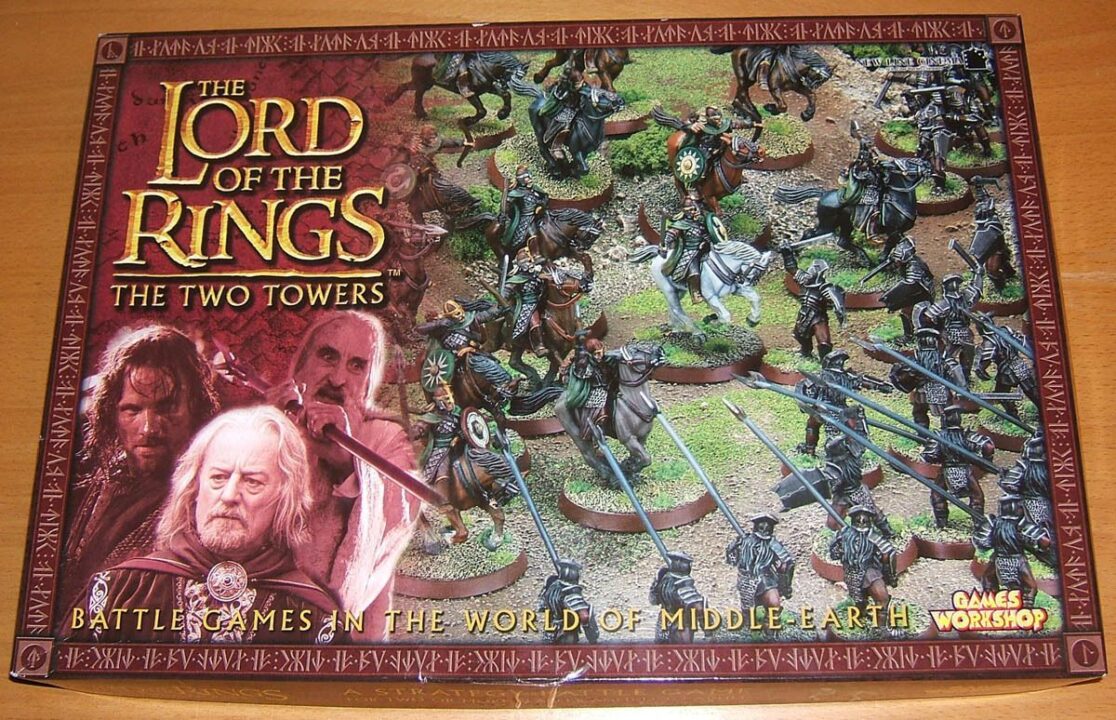

Welcome, fellow board game fans! After one too many failed attempts to sneak past an angry Balrog, I finally sat down with my friends for an epic night of The Lord of the Rings: The Two Towers. This review covers not just my victory (okay, fine, mostly my defeat), but all the laughs, teamwork, and cries of ‘where did that orc come from?’ that this game serves up. Is it a must for your next game night, or is it destined to be left in the depths of Mordor (I mean, your shelf)? Let’s see what’s precious—and what’s not—about this one!
How It Plays
Setting Up
First, everyone picks a character—Frodo, Aragorn, or whoever got to Sam first. Lay out the board (it’s a big one, so shove snacks aside). Place all the cute little minis and tokens where the rulebook screams at you to put them. Shuffle the cards, and make sure your fellowship’s courage is still intact after setup.
Gameplay
Each turn, players take actions like moving, fighting, or using cards to help (or sometimes hurt) the group. You’ll run into orcs, trolls, and way too much walking. The group must decide together or argue over what to do next. Expect a lot of dice rolling, tense debates, and sudden attacks from the Eye of Sauron—he’s always watching, the creep.
Winning the Game
You win if your team gets the Ring safely past all the terrible stuff Mordor throws at you. Lose if Sauron catches you, or your courage turns to mush and you fall apart. Basically, win by being smarter than a Nazgûl and keeping your friends alive. It’s harder than it sounds, trust me!
Want to know more? Read our extensive strategy guide for The Lord of the Rings: The Two Towers.
Theme and Artwork: Tolkien Vibes Nailed?
If there’s one thing that “The Lord of the Rings: The Two Towers” board game gets right, it’s the Tolkien flavor. As soon as I opened the box, I felt like I’d hopped on a horse with Aragorn and was off to save Rohan. The cards burst with scenes straight out of the movie — think Helm’s Deep, Ents doing what Ents do best (which is, let’s be honest, walk slowly and throw things), and a gloomy Saruman peeking at me like I owe him money.
The miniatures — oh boy, don’t get me started. I’ve seen scarier orcs in a bag of Halloween candy, but I’ll give them props for making everyone recognizable. My friend Sarah kept yelling, “Legolas!” every time her elf hit the board, whether it was him or not. The board itself is a love letter to Middle-earth: misty forests, brooding towers, and even tiny horses for your riders. It’s clear someone at the publisher’s office had Frodo posters in their cubicle.
The game uses color palettes that scream “epic quest!” Browns, greens, and a lot of gray for that classic miserable Middle-earth weather. It’s not a Renaissance painting, but it’s good enough to make me want to speak in a bad English accent for half the night.
Ready to see if the gameplay lives up to the epic art? Grab your lembas — next up, we tackle gameplay mechanics: fun or frustrating?
Gameplay Mechanics: Fun or Frustrating?
Alright, let’s talk about how “The Lord of the Rings: The Two Towers” actually plays. I wrangled my friends (hobbits, elves, and a very confused dog) for a Saturday session that left us laughing, a little annoyed, and occasionally quoting Gandalf.
This game splits players into heroes and Sauron’s minions. If you enjoy working as a team, you’ll love the way you all try to hold back the dark forces together. Each turn, you face a new event, and believe me, they aren’t all friendly. There are lots of choices: do you help Frodo and Sam creep closer to Mordor, or do you fight it out at Helm’s Deep? The system makes each decision feel important.
Combat is pretty easy to follow but not simple enough to feel boring. You get a nice mix of cards, dice, and tokens. The rules came with a few oddities—our dwarf friend kept forgetting what his special ability actually did—but nothing we couldn’t fix with a quick page flip. Sometimes, though, I wondered if the designers expected us to have Elven wisdom just to grasp some rules.
What did bug me (and my wizard friend, who is picky) was when the action slowed to a crawl. Certain mechanics can drag a bit, especially with new players. I once caught my friend checking her phone while we sorted out a battle. That’s not a great sign. The good news though: teamwork really shines, and some card combos feel awesome when you pull them off.
Next up, we take a close look at whether luck rules Middle-earth, or if skill can really save the day—even from a surprise orc attack in your sandwich.
Luck vs Skill: The Balancing Act in The Lord of the Rings: The Two Towers
Okay, let’s talk about the biggest troll in board gaming: luck. In The Lord of the Rings: The Two Towers, the struggle between luck and skill is its own epic battle. One moment you’re feeling like Aragorn, master of your fate. The next, a random draw from Sauron’s evil deck knocks you back to the Shire. I’ve played this game several times with my friends, and let me tell you—sometimes it’s like trying to outsmart a rolling boulder, blindfolded!
There are definitely moments where good planning matters. Choosing when to use your character’s special skills, or deciding when to push forward or pull back, can really change the game for you and your fellowship. We had one game where my buddy Dave tried to play it safe, but thanks to some inspired teamwork and smart choices, we managed to sneak past some nasty surprises. So skill matters, for sure. But then, out come the dice and the event cards. Suddenly, your whole plan is at the mercy of a single bad roll. I once watched my wife draw three disastrous cards in a row, and she just about transformed into Gollum right at our table.
I honestly wish the game had tilted things more towards player choices and less towards the whims of fate. If I wanted that much wild randomness, I’d go play craps in Vegas (I actually did once, came away with $5 and a mysterious rash). But here, I’d say the luck factor stops this one from being a true strategic classic. If you hate losing to bad draws or unlucky dice, prepare for at least a few moments of frustration.
But hey, in Middle-earth, you never walk alone… so next up, let’s see how teamwork and player interaction can save your hobbit bacon!
How The Lord of the Rings: The Two Towers Brings Players Together
If you want a board game that tests your friendship, The Lord of the Rings: The Two Towers will do the trick. This game is all about group decisions and shared pain. You’re not just pushing your own marker along; you’re huddled together, arguing about when to use precious cards, which path to take, and who has to deal with the next orc. Last week, my buddy Mike went full Boromir, taking one for the team and then complaining for the rest of the game. Classic Mike.
Teamwork is not just “nice to have”—it’s the key. If you play like a lone wolf, the game eats you alive. You really have to talk to each other and plan out your moves. One player always wants to rush—”Let’s run through Rohan!”—while another insists on hoarding resources “for later.” Good luck getting a group to agree when everyone thinks they’re Gandalf.
What makes The Lord of the Rings: The Two Towers stand out is the feeling that your success (or ugly demise) is truly shared. There is a real sense of camaraderie, and every win or loss is a team effort. Sometimes it gets a bit loud; we once had a debate about whether to risk a shortcut that nearly turned into a pillow fight. But in the end, it makes victories feel hard-earned and losses actually kind of fun.
Would I recommend this for fans of player interaction and teamwork? Absolutely. If you like talking, planning, and yelling at your friends lovingly, this game is a great pick. Your Fellowship may never be the same again, but you’ll have a blast.
Conclusion
The Lord of the Rings: The Two Towers game swings between epic teamwork and some pesky luck-driven moments. My group had a blast yelling at each other and celebrating every tiny win—classic Friday. The artwork nails the Tolkien feel, and there’s fun to be had if you have the patience for the occasional rule fumble. If you love co-op games and don’t mind a few dice rolling your dreams away, this is a solid pick. If luck makes your blood boil hotter than Mount Doom, maybe sit this one out. That’s a wrap for my review—happy gaming, and may your dice roll ever in your favor (but, you know, not too much)!