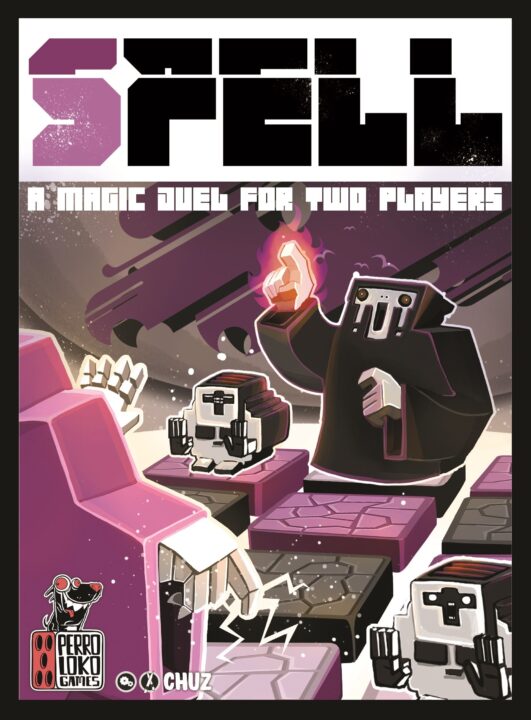

Ever had a game night where someone tries to claim they’re a wizard after winning twice in a row? Well, I put that theory to the test with my group when we played Spell. This review covers all the highs, lows, and cardboard mishaps my friends and I had with this magical board game. Grab your pointy hat—or just your favorite snack—and let’s see if Spell brings the party magic or fizzles out quicker than my friend Steve’s fake British accent.
How It Plays
Setting Up
Open the box and try not to spill everything (like I did). Hand each player a Spell board, their spell tokens, and shuffle the deck. Give everyone a reference card so no one has excuses for forgetting the rules.
Gameplay
On your turn, you draw a card and cast spells using the cards and tokens you’ve got. You can mess with other players—trust me, friendships get tested. The fun is in combining spells and trying to brick your buddy’s best move while snickering. Each turn is fast—unless Steve overthinks, which he always does.
Winning the Game
The first player to complete the required number of spells wins! Or, if you play like my cousin, the first to run out of snacks loses focus and the game. It’s a race, but with magic and minor betrayals. Winner gets bragging rights until the next round—usually about five minutes later.
Want to know more? Read our extensive strategy guide for SPELL.
Easy to Learn, Hard to Master: Spell’s Gameplay Mechanics and Clear Rules
Let’s talk about the meat and potatoes of Spell: the gameplay mechanics and whether the rules make sense after a long day at work (or three cups of coffee). Right out of the box, Spell throws you into a world where word-building meets magical mishaps. Each player grabs a hand of letter tiles, and on your go, you either make a word or mess with your friends by casting spells—no wizard hat needed, but it doesn’t hurt.
The basic rules are simple: use your letter tiles to spell words and cast spells from your hand. Spells add some fun chaos, letting you swap tiles, steal from others, or mess up plans. I learned the basics in about five minutes, which is just how I like my game nights—smooth and quick, no headaches required. The rulebook uses big text, lots of images, and step-by-step examples. Even my friend Dave (who once needed help opening a pudding cup) got it on the first try, so you know it’s clear!
What I love about Spell is the way it blends strategy and sabotage. Smart timing is key: do you use your rare “Q” for points, or “Quash” someone else’s big word? The spells shake things up but never feel random or unfair. There are backup examples for tricky spells, and every page shouts, “You got this!” Still, if you hate word games, or despise a little bit of luck poking its head in, you might grumble now and then—but not much.
Coming up, I’ll share how Spell turns players into frenemies and whether you’ll end the night still talking to each other!
Player Interaction and Engagement in Spell
Let’s be real, the whole point of sitting around a table with friends is to outwit them and claim bragging rights until next game night. Spell nails this vibe. From the first round, you’re eyeing everybody’s moves, watching for that one player who always tries to pull off the sneaky win (I’m looking at you, Dave). Every turn in Spell feels important because your decisions can mess with your rivals or help them. There’s nothing more satisfying than foiling someone’s big plan, unless it’s doing it while pretending you’re their ally.
This game gets people talking and plotting. There were so many alliances, betrayals, and temporary truces in my last round of Spell, I thought we were about to sign an actual peace treaty. No one can just hide and hope for victory—Spell draws you out and makes sure you’re involved. Even when it’s not your turn, you’re watching very closely, sometimes cheering (or groaning) at the choices your friends make. I’ve played a lot of board games where half the table zones out, scrolling social media. Not here. In Spell, if you snooze, you lose. Every action matters, which keeps everyone alert and scheming.
Spell shines brightest when the table is loud, smack talk is flying, and no one feels left out. Sure, sometimes feelings get a smidge bruised when someone snatches victory from under your nose, but that’s just fuel for the rematch. Up next, let’s see if Spell’s components and artwork are as magical as the gameplay—or if they’re just smoke and mirrors.
Spell Board Game: Components and Artwork That Cast a Lasting Impression
Let’s talk about Spell’s components and artwork. First off, opening the box of Spell feels like opening a treasure chest, but instead of gold, there’s thick cardboard and shiny bits that I can’t stop fiddling with. The cards are a dream – sturdy enough to survive my friend Dan’s snack-stained fingers and a few accidental trips to the floor. The tokens? Chunky, colorful, and oddly satisfying to stack when I get bored waiting for Sheila to take her turn.
I also have to shout out whoever designed Spell’s artwork. Every card has its own unique illustration, and I found myself actually pausing mid-game just to appreciate some of the spell effects (okay, or to make fun of them). The colors pop without blinding you, and there’s enough variety that you won’t get tired of staring at the same old images. Bonus: there’s no weird, recycled fantasy clipart here – every illustration feels like it belongs in the world.
There were a couple of cards with some printing blips – nothing deal-breaking, but if you’re a perfectionist, you might notice a slightly off-center fireball here or a smudged border there. Still, everything stands up to repeated play, and even after several game nights, my box doesn’t look like it went through a tornado.
Next up, it’s time to sort out the real magic: does Spell reward clever brains or just lucky dice? Grab your wizard hats, because luck versus strategy is about to get real…
Luck vs. Strategy in Spell: Can You Outsmart the Dice?
Let’s talk about the eternal struggle in board games: luck versus skill. With Spell, the box claims you need brains to win, but after a few playthroughs I started to wonder if my lucky socks had more impact. Here’s what I found.
Spell gives you a lot of ways to plan ahead. You pick your spells, time your moves, and try to read your friends’ faces like a detective in a library. I love that part. But then comes the twist—each round, a wild random event card can pop up and turn your master plan into a pile of magical dust. Sometimes a roll or a card just messes everything up. It’s like studying for a test and the teacher asks you what you had for breakfast. Thanks, Spell.
To be fair, this does mean you’re never out until the final spell is cast. My friend Jess came back from certain doom thanks to two lucky draws. She now thinks she’s a wizard. But if you hate losing to a lucky moment, you might get salty.
Spell hits right in the middle for me—there’s a good dose of skill, but the luck can feel unfair in the big moments. I like a bit of chaos, but sometimes it goes overboard. If you want a game where brains always beat bingo, you won’t love this. If you don’t mind a wild ride and some giggles, Spell’s still worth a shot. Just don’t blame me if your rival wins with pure luck!
Conclusion
Alright, team, that wraps up my review of Spell! If you want a fast, bright, and interactive game night, Spell has the goods. Set up is quick, the rules make sense, and everyone stays involved. The art looks great, even if a card or two has a blurry gremlin lurking in the corner. On the downside, luck can really mess with your master plan—if you like total control, Spell might have you muttering under your breath (like I did, loudly, last Friday). But if you enjoy a bit of chaos and don’t mind taking a risk, you’ll have fun chucking spells at your friends. I say it’s a spellbinding choice for casual nights, but not a top pick for hardcore strategists. Thanks for reading, see you at the table next time!