
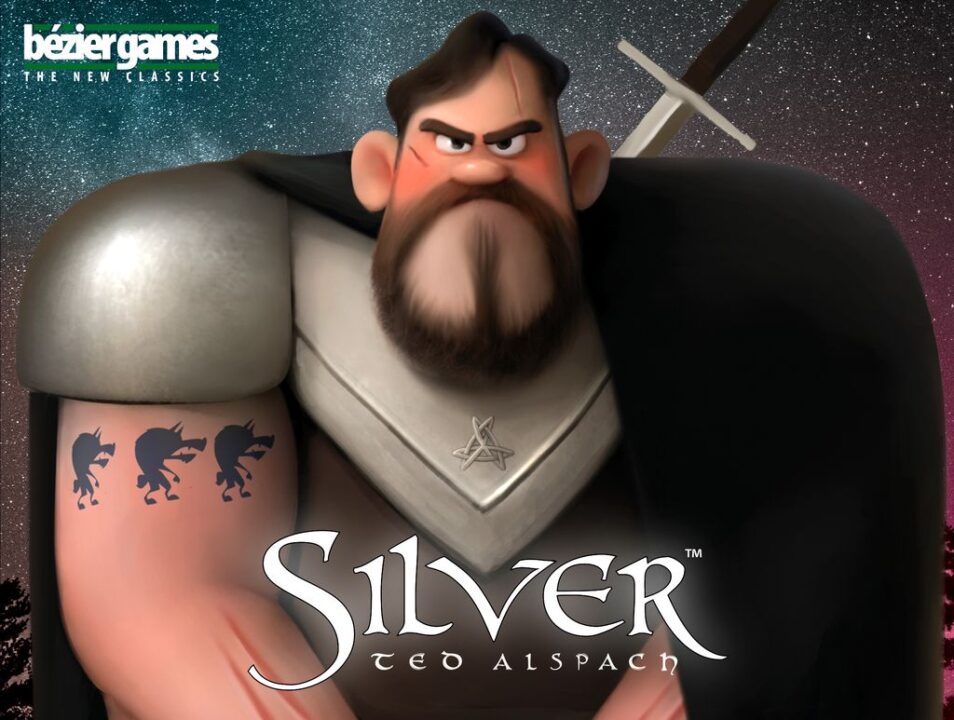
Ever wish you could blame your terrible memory for losing a board game, instead of just being bad at it? Well, you’re in luck—or maybe not, depending on how the cards fall. Let’s see if this game deserves a spot in your next game night line-up!
How It Plays
Setting up
Shuffle the Silver deck and give each player five cards, face down. No peeking! You can look at two of your own cards before the game starts (and trust me, you’ll still forget what they are later). Place the draw and discard piles in the middle. Prepare for shifty glares and heavy sighs.
Gameplay
On your turn, draw from the deck or the discard pile. Swap a card with your hand, peek at what you have, or use a special card’s fun ability. Remember, lower numbers are better, but your memory will betray you. Bluff, swap, and curse your fate as the big-number cards pile up. If you think you have the lowest total, call “Silver!” and trigger one final round.
Winning the game
After one last round, everyone reveals their cards. The lowest total wins the round—and gets to lord it over their friends. You’ll play a few rounds, and whoever has the lowest score in the end is the true Silver champion (or has an actual memory). Celebrate with snacks. Cry inside if you had all the 13s again.
Want to know more? Read our extensive strategy guide for Silver.
How Silver Tricks and Treats Your Table: Gameplay Mechanics and Player Interaction
The gameplay in Silver is snappy and, honestly, just a little bit mean (in the fun way, I promise). Everyone starts with five cards face-down, and you’re hunting for the lowest total possible. Sounds simple, right? Well, think again. The game is all about peeking at cards, swapping cards, and using wacky character abilities to mess with your friends’ plans. I remember the first time I used the Seer card, everyone groaned because I peeked at half the table’s cards. That’s when I knew Silver isn’t just about memory, it’s about outwitting your friends and hoping your brother isn’t bluffing (he usually is).
The mechanics are tight but never too brainy. You’ll spend a lot of time thinking, “Is that card REALLY a zero, or are you lying through your teeth?” And the best/worst part? One wrong move (or trusting the wrong person) can ruin your whole round. Player interaction is almost constant, with cards like the Witch and Robber creating moments of chaos. And, unlike some other games, you don’t just sit and wait—you’re always plotting your next sabotage.
If you like games with lots of player backstabbing and clever moves, Silver shines. Up next, I’ll reveal whether the game’s artwork brings the theme alive—or if it just looks like someone’s doodles after too much coffee.
Theme and Artwork: Silver’s Style and Shine
If you love a game that looks as good as it plays, Silver does a pretty solid job. The first thing my game group noticed—after wondering why we couldn’t just stack chips like in poker—was the art on the cards. Each villager card has its own little personality. Even the werewolves look like they might have Netflix subscriptions. The theme is all about protecting your village from sneaky werewolves, but it never feels too spooky or dark. It’s more Scooby-Doo than Stephen King, which means you can safely play with your terrified aunt (the one who still won’t watch Jaws).
I have to mention the silver tokens themselves. They’re shiny, they’re chunky, and every time someone picks one up, there’s a 50% chance they’ll pretend it’s rare treasure. Don’t ask why, just accept it. The card layout uses color well, so even my colorblind friend could play without problems (though he still lost… a lot). The whole look is clean and easy to read, which helps when you forget what half your cards do.
And then there are the tiny details. I once got distracted just admiring the little houses and critters in the background while my friend gleefully swapped my best cards for garbage. Not that I’m bitter. So if you want a game where artwork and theme help the fun, Silver has you covered. Next up: does Silver reward clever play, or is it just another game of “who shuffled this deck?!”
Is Silver All Skill or Just a Lucky Guess?
When I first cracked open Silver and saw the werewolf theme, I thought, “Great, yet another game where luck will make me look like a genius or an utter fool.” After a dozen rounds with my usual gang (and a few snacks I ended up wearing after a bad move), I can say luck is there, but it’s not running the whole show.
In Silver, you start with five face-down cards and zero clue about what horrors you’re hiding. Flipping cards—either yours or someone else’s—feels a bit like playing memory at a noisy birthday party. Sure, you might hit the jackpot and flip the exact cards you want, but most of the time you need to work with what you’ve got. You have to remember numbers, bluff like a poker pro, and make fast choices because your friends are ready to pounce. Cards with special powers shake things up, letting you swap, peek, or outright mess with opponents. Suddenly, half the table is shouting accusations and the other half is pretending they know what they’re doing. This is the part I love.
But I won’t lie: sometimes a lucky draw of a zero-number card can save your bacon, no matter how skillful your grand plan was. Is it totally fair? No. Does it keep everyone at the table grinning (or groaning)? Absolutely. At the end of the day, Silver lets skillful players make smart plays, but it throws in enough chaos that even Aunt Kathy stands a fighting chance—if she can remember what she had for breakfast.
If you’re still with me, next I’ll talk about how many times you’ll want to play Silver before hiding it under your couch and how quick you’ll get through a session!
Replay Value and Game Length: Will Silver Stay on Your Table?
That’s because Silver has this odd charm that keeps sneaking back into game night discussions. There’s just something about the mix of hidden cards and the constant player interaction that makes us want to try again, especially after a heart-shattering round where someone drew nothing but high numbers and moaned loudly enough for the neighbors to wonder if we were doing demolition next door.
The game length is another win for Silver. It’s quick enough that you can play a round while you’re waiting for pizza, or you can squeeze in a rematch (or three) before someone remembers they actually have responsible adult things to do, like laundry or keeping the cat from chewing cables. Most of our games wrapped up in just about 30 minutes, which is the perfect window for busy folks or anyone with a goldfish attention span. But here’s the kicker—each game feels different. There’s just enough chaos, plus everyone gets the urge to be sneaky, so it never gets old. Or at least, it hasn’t for us yet!
So, do I recommend Silver? Yes! Unless you hate laughter, tense table whispers, or the occasional silly mistake that makes you groan. If so, you probably need a different hobby. For everyone else, especially those who love replayable, quick games, Silver should absolutely be on your shelf!
Conclusion
So, that’s the scoop on Silver! I’ve played this more times than I’ve tried to remember where I left my keys (which is a lot). The memory and bluffing keep everyone on their toes, and the artwork adds charm without feeling like a kid’s game. There’s luck, sure, but skill and timing matter more—which is important if you hate losing to pure chance as much as I do. If you want a fast, fun game with plenty of laughs and a light competitive edge, Silver’s a solid pick. Just don’t trust anyone who says they know where their 0 card is… And yes, that wraps up my review—go play Silver, and may your memory be better than mine!