
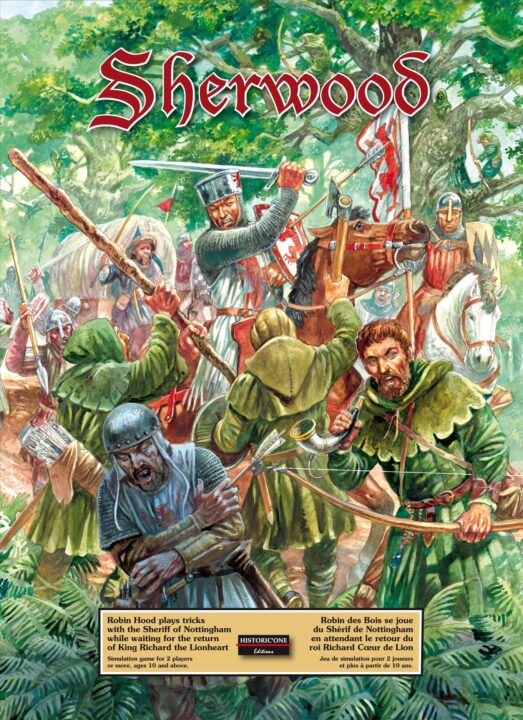
If you like fast-paced games with strong player interaction and just a dash of sneaky tactics, you might want to hear about my wild ride through the woods. Grab your greenest hat, because I’m about to spill the beans on everything Sherwood does right—and where it shoots itself in the foot.
How It Plays
Setting Up
First, shove the board in the middle of the table. Each player grabs their chosen merry character and matching tokens. Hand out loot cards, hide the dice (just kidding—no dice here!), and place the coins and guard figures. Everyone starts with a little cash and a not-so-trustworthy plan.
Gameplay
On your turn, you pick one action: swipe some loot, bribe a guard, or try to sabotage another player. Expect your friends to lie, bribe, and make fake alliances faster than you can say “Robin Hood.” Bluffing plays a big part, so try not to look guilty when you’re robbing from the rich. Watch who you trust, or you’ll end up empty-handed. Most turns are quick, unless Steve starts monologuing (again).
Winning the Game
The game ends when the King’s chest is empty or everyone has had enough of pretending to be an outlaw. Count your loot, count your coins. Whoever’s got the fattest pile of riches wins the crown of Sherwood! And also wins the right to brag until the next game night.
Want to know more? Read our extensive strategy guide for Sherwood.
Sneaky Moves and Tricky Trades: Gameplay Mechanics & Player Interaction in Sherwood
If you’ve ever wanted to live like Robin Hood but don’t fancy running around the woods in tights, then Sherwood delivers a good slice of that thieving fun right on your tabletop.
The core gameplay of Sherwood is all about outsmarting your rivals. Players take on the role of different outlaws, each with a couple of unique tricks up their sleeves, shady deals, and a relentless desire to outwit the infamous Sheriff. The best part? Most moves let you mess with your friends—er, I mean, noble companions. There are bluffing mechanics, timed grabs for loot, and the ever-fun betrayal option, which I may have used a bit too much (sorry, Sally, but I had to grab that extra pile of gold!).
Luck only plays a small role here, which I appreciate. If you lose, you probably just trusted Dave when you shouldn’t have, and if you win, well, you’re the new legend of Sherwood. No dice rolling for big swings—just clever card play, risky planning, and reading your fellow thieves’ poker faces. This makes Sherwood more skill-based, so you’re never at the mercy of a cruel dice roll right when it matters most.
But before you start donning your feathered hat, let’s see if Sherwood’s theme and artwork are as sharp as its gameplay. Prepare your eyes for the next section!
Theme and Artwork: Stepping Into the World of Sherwood
If you’re into classic tales, Sherwood’s theme might tickle your fancy. Robin Hood, his band of merry misfits, and the ever-cranky Sheriff tumble straight out of legend and onto your table. The box art has enough green to make a salad jealous, but it does sell the idea of lurking in the woods, plotting against the rich.
Inside, the cards are packed with illustrations that brim with personality. Each character—from the shifty Friar Tuck to the questionable peasant—has its own cartoon charm.
The board itself? It’s clear and easy on the eyes. There are forests, camps, and castles—all rendered in a style that is friendly for younger and older players alike. Nothing felt muddled or confusing. Plus, the tokens and wooden pieces have that classic, satisfying clack, even if you drop them in a fit of defeat. Trust me—I’ve tested this more than once.
Now, I won’t say this is the Mona Lisa of board games, but Sherwood’s art and theme pull their weight. Everything feels like it belongs, and you really get into the outlaw spirit. If you’re looking for boring, generic art, look elsewhere; Sherwood aims to charm and does a decent job.
Up next, we’ll see if Sherwood can keep us coming back for more—or if it’s hiding in the forest avoiding replay!
Replay Value and Game Length in Sherwood: Why You’ll Keep Coming Back
If you’re like me, you always want to know if a game can survive more than two plays at game night before being sent to the “maybe later” pile. Thankfully, Sherwood has legs. Not literal legs—although, if it did, I’d be a little more nervous while shuffling the cards. Sherwood keeps replay value high by giving you new ways to outwit your friends every time. You never quite know who’s going to make a move for the sheriff’s gold and who’s going to snatch the loot out from under your nose. Each session has enough twists and table talk to make you wish you could record the whole thing for posterity (or as evidence).
Now, let’s talk about how long Sherwood takes. The game normally clocks in at around 45 minutes, which is pretty much perfect for folks who want to fit in a couple of rounds before snacks arrive or while you’re waiting for that one friend who forgot what day it is. It rarely overstays its welcome—something I wish I could say about my uncle’s stories of the 1970s. If you’re playing with a bunch of cautious planners, it might hit the hour mark, but I’ve never once watched the clock out of boredom when playing this one.
Sherwood also manages to avoid becoming repetitive. That’s a big win in my book. Different roles, shifting alliances, and clever player jabs mean you’ll discover new moments—and new ways to hold grudges—on every playthrough.
So, if you want a game that won’t gather dust after the second play, Sherwood is a solid bet. Next up: let’s talk about how well Sherwood balances the scales between strategy and luck… or, as I like to call it, the eternal struggle between brains and rolling the dice!
Strategy vs. Luck: Who Really Rules in Sherwood?
If you know me, you know I have a deep grudge against games where you win because your dice just rolled hotter than a summer barbecue. Thankfully, Sherwood is not one of those games. This is a game where your noggin matters more than your fingers crossed behind your back. Yes, there are cards—yes, surprises can happen, but most of the time, skill trumps fortune like Robin Hood trumps the Sheriff’s tax plans.
Sherwood shines brightest when you outthink your friends. Do you trust that Dave is telling the truth this time? Or is he bluffing again like last Sunday when he swore he hadn’t eaten the last slice of pizza? The game leaves plenty of room for mind games and clever plays. If you lose, it stings…but you know it’s because you made a choice, not because you drew the card labeled ‘Sorry, Try Again!’
Now, is there a tiny bit of luck? Sure. Sometimes the card you want isn’t the one you get. But in my experience after several heated sessions, bad luck just makes you try harder on your next move. It never feels game-breaking. I’d say Sherwood walks the tightrope well—there’s enough unpredictability to keep things spicy, but strategy runs the show.
Would I recommend Sherwood? Absolutely. If you like to feel clever when you win—and want a game that rewards brains over birthday-luck—this one’s your jam. Just don’t blame the cards if your mate outsmarts you!
Conclusion
If you love testing your wits and outsmarting friends, Sherwood has you covered. The game nails strategy and bluffing. Sherwood shines with clever art and quick play, making it easy to get to the fun parts fast. If you want luck-heavy chaos, look elsewhere—Robin Hood lives for planning, and so does this game. Still, it’s not perfect: a sore loser might grumble when outfoxed, but hey, we all need a nemesis.
In short: Sherwood offers sharp gameplay, strong replay value, and tons of laughs, without feeling unfair. Thanks for sticking around for my review—now go grab your cap and outwit your friends in the forest!