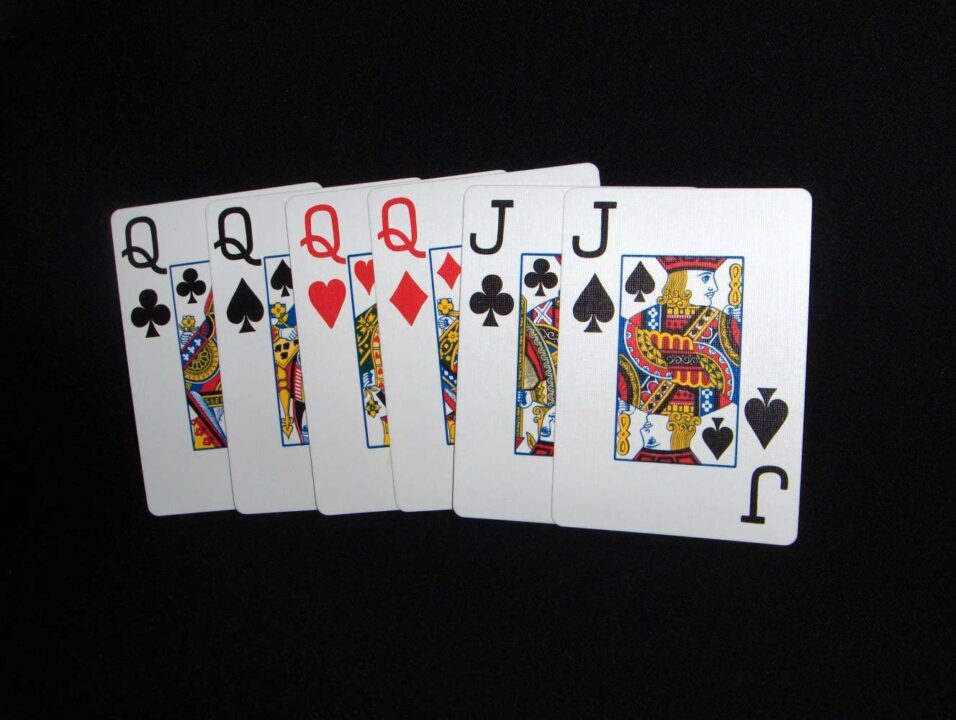

If you love card games that bring out laughter, confusion, and the occasional family feud, you might want to check out this review of Sheepshead. I gathered my brave friends, plenty of snacks, and even a calculator (you’ll see why). Whether you’re a cunning strategist or just good at dramatic sighs, Sheepshead throws you into wild alliances and sneaky bluffs. But is this old-school game worth your precious game night? Buckle up—I’ve grappled with the rules, survived the betrayals, and now I’m here to spill the beans!
How It Plays
Setting Up
First, grab a Sheepshead deck – that’s 32 cards. You’ll need 5 players, but I’ve tried it with 4 in a jam (my dog refused to play). Deal all the cards, and get ready to squint at tiny suits.
Gameplay
Each round starts with players bidding for the chance to pick a partner – or brave it alone like a wild hero. Pick up the two “blind” cards, then toss two back. Now, play cards in tricks, aiming to trump your friends (and enemies). The special thing? Queens and Jacks are trumps – which always upsets my uncle for some reason.
Winning the Game
When all cards are played, add up your team’s points. Usually, if you’re the picker, you want at least 61 points to win. That means watching every move and secretly plotting revenge for next round. If you win, you get bragging rights – and maybe the last cookie.
Want to know more? Read our extensive strategy guide for Sheepshead.
Wrangling the Sheepshead Rules: How Steep is the Hill?
Let’s be honest. I once thought “Sheepshead” was the nickname of a football coach, not a board game. But when my friend Bernard brought it to game night, we ended up Googling the rules more than actually playing. This game is like a riddle wrapped in a puzzle and then tossed into a deck of cards.
The basics sound simple enough: you play tricks and try to earn points. But the rules? Oh boy, buckle up. There are special cards, partners you only sometimes know, and bidding that feels a lot like bluffing your way through a poker game with sheep as currency. If you learn chess in an hour, you’ll need at least two for Sheepshead. More if your group likes to argue about what a “schneider” is.
I have to say, teaching Sheepshead to new players can make you feel like a wizard. My friend Emily nearly threw a deck at me after hearing about the “pick” and “bury” options. Add in the “called ace” rule and you’ll need snacks, drinks, and possibly a union arbitrator.
The learning curve isn’t impossible, but it’s bumpy. Stick with it, and the rules will click, even if you feel like you’re chasing runaway sheep at first. If your group loves a good challenge, or if you secretly enjoy math homework, Sheepshead delivers.
Next up: let’s see if these tricky rules pay off in battle, as we charge straight into player interaction and strategy—bring your wool socks!
How Sheepshead Packs a Punch: Player Interaction and Clever Strategy
If you enjoy sneaky alliances and watching your friends squirm, sheepshead might become your game night go-to. This game doesn’t just reward brains; it throws a pie in the face of anyone who thinks they can coast by on luck. In my first game, I tried to play nice. Big mistake. Sheepshead demands you bluff, mislead, and sometimes partner up with your sworn enemies. If you’re shy about trash talk or a bit too honest, you’ll get eaten alive faster than a sheep at a wolf party.
Strategy in sheepshead is like juggling flaming sheep—tricky, but you look pretty cool if you pull it off. You need a sharp memory for what’s played and a knack for reading your friends. There’s tension every round because partners shift, and you never know who’s secretly rooting for your downfall. In one memorable round, my buddy Dave convinced us all he was losing, only to sweep up the most points in the last hand. Now we eye him like a suspicious lamb at every game.
The player interaction here is wild. Every hand, alliances form and break, and you’ll see tables flipped (metaphorically… usually). You have to weigh risk, guess what others will do, and sometimes sacrifice a friend (or two) for victory. This isn’t a game where you stare at your cards in silence; expect plotting, whispering, and a ton of gloating. Next up, I’ll bleat out my thoughts on balance and fairness—because let’s face it, every good sheep story needs a villain.
Is Sheepshead Balanced and Fair? Let’s Ruffle Some Feathers
If you’ve ever played Sheepshead with a bunch of competitive friends, you know balance is more than just not knocking over your drink every time you slam a card in victory (or defeat). Let’s talk game fairness: Sheepshead is definitely not the Wild West, but it’s not a Swiss watch either. You need skill, sure, but you also need a teeny bit of luck – like hoping your cousin doesn’t call trump when you’ve got a sad collection of hearts that couldn’t win a bar fight.
In my experience, Sheepshead tries to keep things fair by rotating the dealer (so no one’s got homefield advantage) and mixing up who’s forced to call trump. But, let’s face it, sometimes the best strategy can get buried under a landslide of bad draws. I’ve seen pros sweat it out with hopeless hands and newbies stumble into a lucky streak that would make a leprechaun jealous. If your group has house rules or plays “leaster,” things can get a bit more even, but the scales can still tip if you’re on the wrong side of the card gods.
My main beef with Sheepshead is that luck can push strategy into the sheep pen. Even with a rock-solid plan, you might just get fleeced by the wrong hand at the wrong time. For people who want pure skill, it’s a little annoying. But most of us just end up laughing (or groaning) and playing another round.
So, is Sheepshead balanced and fair? Most days, yes – but don’t bet your wool sweater on it. Stay tuned, because next up we’ll see if Sheepshead stays baa-ring after a few plays or if it keeps the flock coming back for more fun!
Replay Value and Fun Factor: How Many Times Can You Herd These Sheep?
Let’s talk about how many times you’ll actually want to pull Sheepshead off your shelf before it gathers the kind of dust you only see on old exercise bikes. Spoiler: for my group, it was a lot. Sheepshead has this wild way of making every game feel a bit different. No two hands are the same, and, unlike some games (I’m looking at you, Monopoly), nobody usually storms out halfway because Aunt Linda lost her hotel again.
The thing with Sheepshead is it keeps you thinking. I found that every play session I had with my friends came with new jokes, grudges, and, let’s face it, epic betrayals. This game can flip with just one clever play, so people actually stay alert. You won’t see players zoning out or secretly texting under the table (unless they’re texting about how you just stole the trick they needed).
Another thing I noticed: even when we finished a round, someone always said, “Just one more!”—the true sign of a fun game in my book. Some of us started planning our next moves before the cards were even shuffled. And that little taste of revenge? Delicious.
If you love card games that don’t get boring after three plays, Sheepshead is a strong pick. It’s deep, it’s replayable, and it’s fun—even if I still have nightmares about Jim’s last-minute wins. Final verdict: recommended! Just be ready for your friendships to survive some sneaky plays.
Conclusion
Alright, that’s a wrap on my Sheepshead review! If you love card games that keep you guessing and yelling at your grandpa for taking the last trump, Sheepshead is a blast. It’s a little wild, definitely rude to beginners, and strangely addictive once you get the hang of it. I had more laughs than wins, and more confusion than a chicken at a fox convention, but the chaos is all part of the charm. Rules are tricky but the strategy pays off. Balance is decent but luck sometimes crashes the party. If you want a brainy card game that rewards clever moves (and insider alliances), Sheepshead is worth learning—even if you end up muttering about that one friend who always declares the picker. Just don’t say I didn’t warn you about the shouting. Review over—now go shuffle!