
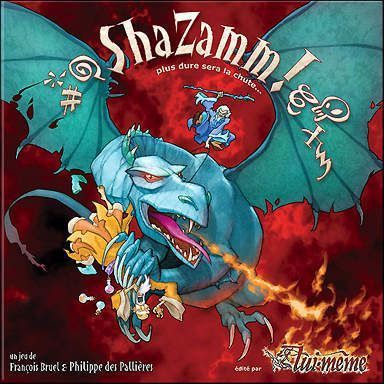
Luck can still knock on the door, and a strong early lead may feel hard to catch, but the lively player interaction keeps everyone watching every move. It is a sharp little contest for groups who enjoy mind games, quick turns, and just enough chaos to make someone dramatically blame the wizard.
How It Plays
Setting up
Place the bridge between both players and put a wizard at each end. Give each player their spell cards and magic points. Keep the river nearby, because somebody is going swimming.
Gameplay
Each round, both wizards secretly choose a spell and decide how much magic to spend. Reveal the choices together. The player who spends more magic usually casts their spell first, while the other spell may still take effect. Spells can push rivals, block attacks, move a wizard, or refill magic.
Players then resolve the spells, adjust their magic, and prepare for the next round. Timing matters a lot. Burning through your magic early can leave you waving a tiny wand at a very smug wizard.
Winning the game
Push the other wizard off the bridge and into the river to win. You need to read your rival, save enough magic for key moments, and use the bridge space wisely. The final shove feels great, unless you are the one taking the bath.
Want to know more? Read our extensive strategy guide for Shazamm!.
Shazamm! Spell Duels and Tactical Choices
In Shazamm!, each spell duel feels like a wizard boxing match, except the gloves are made of sparks and decisions. It comes from choosing when to spend power, when to save it, and when to make your rival regret being so smug.
Each player builds a spell by combining two effects. One effect may blast the opponent, while another shields you, steals energy, or bends the duel in a strange direction. This creates choices without burying the table under rules. You can attack early and score a quick hit, but that may leave you empty when the other wizard unleashes a nasty counter. Saving power feels smart, until your foe spends theirs first and grabs the prize you wanted.
The board also rewards reading the duel, not just reading the cards. I often watched my friend pause for one beat, then choose a modest spell that made my flashy plan look silly. That moment gives Shazamm! its best kick. You feel clever when a small trick works, and properly annoyed when your perfect combo fizzles.
There is a limit, though. Some spell mixes feel stronger than others, so new players can need a few games before spotting the best paths. Luck can also nudge a duel, especially when the right effect appears at just the right time. Still, the tactical core stays strong because you control most of your choices. The game rewards patience, timing, and a little nerve, than endless number crunching. Next, we will tackle Bluffing, bidding, and resource management.
Bluffing, Bidding, and Saving Your Spark
Shazamm! turns each clash into a poker match, but the cards carry spells instead of kings. You and your rival secretly choose how many points to spend, then reveal your bids with the confidence of people who absolutly did not just panic. A high bid can win the contest, yet it also leaves your pool looking sadder than my bank account after a convention.
Read the Room
That tension makes bidding feel personal. Meanwhile, I hoarded points for a grand move and watched everyone cast cheap spells around me. The plan looked brilliant until I forgot that Mia had baited me into spending my counter. Shazamm! rewards nerve but it also punishes players who treat every bid like an auction they must win.
Count Every Drop
Resource management gives the game its sharpest edge. Points fuel bids, shields, and effects, so each choice asks whether to protect today or save for later. Spend too much early and your rival can bully you with stronger options; hold too long and your plan may sit unused. I liked that even a weak player could threaten a leader by faking confidence and forcing a costly response. Still, the system can create a runaway lead when one player gains both control and extra points. Some rounds felt decided once a player lost that cushion, though clever bluffing sometimes pulled us back from the brink. Because the game uses hidden choices, every point feels like a promise you can break, and every empty pool tells a story. It made even our quietest player spend like a cartoon villain. Next, I will test whether Luck, balance, and replay value can keep this magical tug-of-war from wearing thin.
Shazamm! Luck, Balance, and Replay Value Review
Shazamm! keeps luck on a short leash, which feels like a small miracle. Cards can swing a round, yet smart players usually spot ways to soften a bad draw.
Luck That Adds Drama
The random moments create tension without stealing the wheel. That gives the table a welcome jolt. Still, a poor run can feel rough when one player already holds a lead. Shazamm! avoids total chaos, but it does not erase it. I prefer that trade to a dry puzzle where every match follows the same script.
A Fair Fight?
New players may need rounds to learn when the game offers an opening. The rules do not always shout that opening out, so early games can feel a bit lopsided. Once everyone learns the rhythm, the gap shrinks and comebacks feel earned.
Replay Value
Replay value comes from changing opponents, moods, and risk levels rather than a huge pile of content. After several games, the surprise fades a little, but the quick play time keeps Shazamm! ready for another go. It works best as a filler, not an all-night feast, and that limits its pull.
Next section, we’ll see whether its player interaction and game length keep the sparks flying.
Shazamm! Player Interaction and Game Length Review
Shazamm! earns its keep through player interaction. Every spell changes the other player’s situation, so nobody sits quietly waiting for their turn. We groaned at nasty surprises and celebrated. The game creates a lively back-and-forth, even when one player holds the lead.
Interaction Keeps Everyone Awake
The interaction feels personal without becoming mean. You can answer a rival’s move, protect your own plan, or force them to react before they feel ready. That keeps both players involved from start to finish. I liked how the table talk stayed quick and playful; nobody needed a meeting before tossing magic around. Shazamm! also gives players reasons to pay attention between turns, which makes the duel feel active rather than mechanical.
Game length helps this interaction shine. A match usually wraps up before the room loses steam, which suits an evening session or a rematch after dinner. The short play time also softens mistakes. If a round goes badly, you do not spend an hour watching your hopes crawl across the floor.
That speed does come with one snag: the game can feel over as everyone settles into the mood. Still, I prefer a sharp, busy contest to a slow slog, and Shazamm! makes its runtime count. It works best with two people who enjoy reactions and quick turns, rather than a group seeking a social game. After playing it with friends, I recommend Shazamm! for players who want table presence in a package.
Conclusion
So, this concludes the review of Shazamm! After several loud games with friends, I found a clever little duel packed with bluffing, tricky choices, and plenty of table talk. The secret spells make every turn feel tense, while the magic pool keeps you thinking before you waste your best trick.
Luck can still swing a fight, and a player who gains an early lead may feel hard to stop. That keeps Shazamm! from earning a perfect score. Still, the short play time, strong player interaction, and funny spell battles make it easy to bring back to the table. It also teaches quickly, which helped when one friend arrived late and somehow still beat us all. Rude, but impressive.
If you enjoy bluffing games with a fantasy twist, Shazamm! deserves a look. Just expect a few grumpy wizards, some risky bets, and at least one person blaming the magic pool for everything.