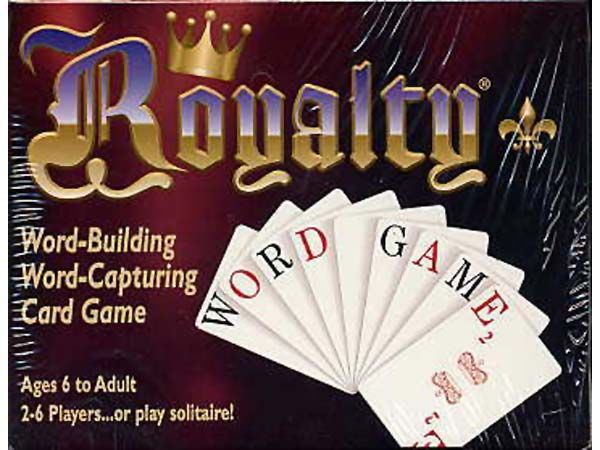

Welcome to my review of Royalty, the card game that made my friends laugh, strategize, and groan in equal measure over one long pizza-fueled weekend. I’ve battled through dramatic comebacks, fumbled plenty of hands, and witnessed more wild swings of fortune than my last family reunion. I’m here to share the real scoop: what’s fun, what’s fiddly, and whether your game night will thank you for bringing this colorful deck to the table. Let’s get into it!
How It Plays
Setting up
First, put the board in the middle of the table. Everyone grabs their player pieces and a secret stash of play money—don’t get greedy, it’s a set amount! Shuffle the deck of Royalty cards and deal the starting hands. Put the crown tokens and bonus gems within reach. Snacks are technically optional, but trust me, you’ll want them.
Gameplay
Players take turns playing cards, collecting sets, and making sneaky deals. The main aim is to outsmart the others and build the biggest, flashiest royal court. You’ll draw cards, lay down royalty, and maybe even swap or steal if you have the guts (and the right cards). The game mixes a bit of strategy with a hint of luck—so even your friend who claims to be the “king of games” will sweat a little.
Winning the Game
The first player to reach the required number of victory points (by collecting noble cards and completing sets) is crowned the winner. That’s it. You may now lord it over your friends, at least until the next game. Don’t forget to rub it in—tastefully.
Want to know more? Read our extensive strategy guide for Royalty.
How Roylaty’s Game Mechanics Keep You on Your Toes
Roylaty claims to be a card game of wits and cunning, and boy, were my friends and I ready to put that to the test. The first round, Greg tried to start his own royal dynasty by hoarding the Queen cards. Amy, though, sneakily wormed her way to victory by focusing on small combos and spreading her points everywhere. I, meanwhile, was still figuring out what a ‘Crown Exchange’ card even did. Spoiler: it’s chaos in cardboard form.
The game’s main mechanic centers on drafting royalty cards and using nifty action cards to mess with everyone else. Every turn, you build up your own court while tearing your rivals’ down. It felt a bit like hosting a dinner party but being allowed to swap a guest’s seat with a goat. It’s equal parts thoughtful and petty, which I suspect is how most real kingdoms worked.
Strategy depth is surprisingly good for how quick it plays. You’re always plotting one or two rounds ahead, watching what sets others build. There’s a nice tension in deciding when to play it safe and when to go full drama-queen by sabotaging someone else. But don’t expect chess-level thinking. Roylaty rewards flexible tactics rather than deep, long-term planning. If you’re a chronic overthinker like me, you might actually appreciate being forced to react and adapt each round.
One thing I respect is how Roylaty gives you tools to recover if you get knocked down. That keeps everyone in the game without too much runaway leader syndrome. Next up, I’ll be talking about the game’s luck versus skill balance – let’s just say it’s not always the smartest who sits on the throne!
Luck vs Skill: Who Really Wears the Crown in Royalty?
So, let’s talk about the elephant in the Royalty throne room: luck versus skill. I’ve had more royal ups and down than a game of musical chairs at a kids’ party. Some board games roll out the red carpet for pure strategy, while others hand you a scepter and then throw a banana peel in your path.
Royalty perches somewhere in the middle, like a king who can’t decide between a feast or a nap. Skill does play a big part. If you learn the card symbols and watch your fellow nobles closely, you can pull off some sneaky moves. I found myself trying to plan two or three turns ahead, only to have my friend Lisa play the exact card I needed. That’s where luck crashes your coronation.
Sometimes you build a glorious hand, thinking you’re a mastermind, just to discover that the deck had other plans. Lisa, by the way, has the luck of someone who must have made a deal with the card fairy. Meanwhile, I sat there looking like the court jester.
Is Royalty unfair? Not at all, but any game where you draw from a deck has a bit of chaos, and here, it’s enough to keep things interesting but not enough to flip the table in frustration. If you like some unpredictability sprinkled on your strategy, Royalty serves it up on a fancy platter.
Coming up: Why Royalty could make or break friendships – yep, I’m talking player interaction and engagement. Stay tuned for drama in the throne room!
Bringing the Table to Life: Player Interaction & Engagement in Royalty
Let me tell you, Royalty does not allow wallflowers. If you’re the type who likes to zone out, scroll your phone, or plan your grocery list during your turn, this isn’t your game. Every round demands attention, thanks to its clever system where each move can flip the fate of the entire court! You know that one friend who always tries to form alliances in every game, even if it’s Candy Land? In Royalty, that friend will thrive—and maybe annoy you just a little bit.
The game flowed with so much back-and-forth at my table, I thought we were reenacting a soap opera. Betrayal? Check. That tense moment when someone outsmarts you and steals a winning opportunity right from under your nose? Double check. The beauty of Royalty’s interaction is that it rewards both bold moves and careful observation. No matter your personality—schemer or silent mastermind—you can find a way to engage and influence the court.
Now, I’ve played some games where the winner is decided before the last third of the session, and everyone else just goes through the motions. Not here. Royalty keeps even the so-called “losing” players involved, because fortunes can change with a well-timed play or a cunning trick. The vibe stays lively, and you can’t really afford to zone out. The banter never lets up. In my group, the trash talk soared to new heights, and so did the laughter (and, okay, maybe a few grudges).
So, if you want a game that keeps every player on their toes from start to finish, Royalty is a royal treat. Next up: let’s unbox this thing and talk about component quality and game setup—will it rule or drool?
Royalty Board Game: A Close Look at Component Quality & Game Setup
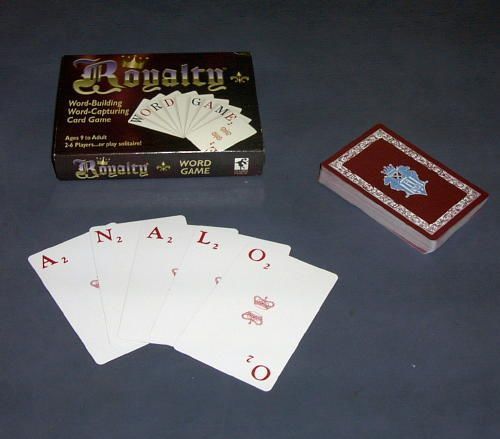
Let’s talk about the bits and bobs. When I opened Royalty for the first time, my inner magpie woke right up. The cards shine with color and the little crowns are surprisingly sturdy. You won’t find any of those limp, sad cardboard pieces here—Royalty means business. My buddy Tim dropped a piece on the floor and our dog thought it was a treat. Don’t worry, the piece survived, but Tim’s ego didn’t.
The card stock is thick enough to avoid accidental bending, unless you’re the Hulk. The box insert? It keeps everything in its rightful place. No more chasing rogue tokens or unboxing a mess. I even put the box on a shelf wonky-side-up and nothing slipped out of order. If you like your games neat, this is a big plus.
Now let’s chat setup. Royalty doesn’t demand a PhD in rulebook studies. You spill out the cards, crown tokens and the board, deal a few out, shuffle some piles—done. The instructions are clear with no baffling diagrams. It usually took us under five minutes to get going, and that includes the time it took for my group to argue who’s the real king (spoiler: it’s never me).
So, do I recommend Royalty based on the setup and components? Absolutely. It’s a breeze to get started, the pieces are sturdy, and nothing feels cheap. If you don’t like fiddly setups or junky parts, Royalty deserves a place on your table. Besides, who doesn’t want to boss their friends around with a shiny crown?
Conclusion
So that’s my Royalty review, and yes, I think my friends are still plotting their revenge for beating them so often. The game gives you solid moments of strategy and fun, with just enough luck to keep things spicy but not infuriating. Components are nice, setup is a breeze, and it kept everyone at the table laughing and plotting. If you want a game that gives you clever moves without endless rules, Royalty might be your new favorite—unless you hate losing to your gran because she drew the perfect card (it happened, I’m still not over it). All told, Royalty gets my stamp of approval, and that wraps up this review. Now, who wants a rematch?