
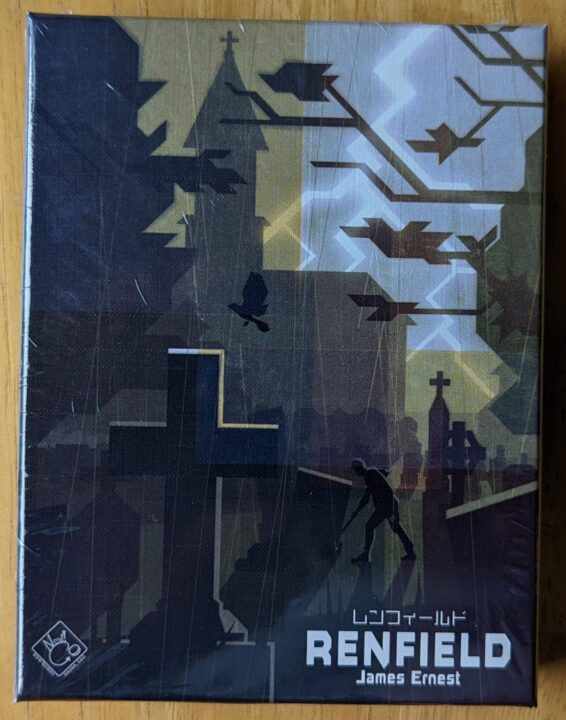
This review looks at Renfield, a sly game of hidden roles, sharp choices, and social chaos. Each round asks players to read the table, weigh their risks, and decide who deserves help—or a very rude surprise. The rules stay fairly easy to follow, while the mix of teamwork and betrayal keeps everyone involved. Here is what worked, what wobbled, and whether it earns a place on your game shelf.
How It Plays
Renfield is a hidden-role game of suspicion, teamwork, and tasty betrayal. Players take secret roles and try to complete their own goals while working out who they can trust. Spoiler: probably nobody.
Setting up
Give each player a secret role and the needed starting cards or pieces. Set the main deck and shared play area in the middle. Players check their private goals, then prepare for Dracula’s next bit of trouble.
Gameplay
Players take turns drawing cards, using powers, and making deals with the table. Some actions help the group, while others quietly serve a player’s secret plan. Watch the clues, question everyone, and keep your poker face ready. A bad guess can help Dracula more than it helps you.
Winning the game
The game ends when the final condition is met. The winning side then checks its goals. Depending on the roles in play, that may mean defeating Dracula, helping him gain control, or completing a personal objective. The player or team that best fulfills its goal wins.
Want to know more? Read our extensive strategy guide for Renfield.
Renfield Gameplay Flow and Victory Goals
Setup and Turn Rhythm
Renfield gives each game a brisk, easy-to-follow shape. Players begin by checking the scene, sorting cards, and setting the challenge in motion. On a turn, you choose an action, resolve its effect, then pass play along. That keeps everyone involved. Small choices build toward larger problems, so the table stays busy without feeling rushed.
Goals That Move the Game
Victory does not come from simply collecting the most stuff. Renfield asks you to manage short-term tasks while chasing the final condition. Each goal gives the group a clear target, but the route toward it can change after a poor result or a clever play. I liked this pressure because every success felt earned. We had to watch the board, plan two steps ahead, and avoid spending useful options too soon.
How Victory Feels
The best games ended with a sharp final push rather than a slow count of points. Players could see the finish line, but reaching it still demanded timing. Renfield rewards players who adapt when plans wobble. That said, a few goals can feel less exciting when the needed path appears early. The game still gives enough choices to keep the result from feeling fixed, though a bad opening can make the table work harder than it should. I prefer that mild struggle to a luck-heavy sprint, since our decisions mattered more than lucky draws. Next, Player roles will shape our look at table interaction.
Renfield Player Roles and Table Interaction Review
Everyone Has a Job
Renfield gives each player a clear role, and that choice shapes the whole table. One player takes Renfield, while the others work as rival characters trying to manage the mess around him. Renfield feels sneaky and slippery, while the other roles feel more direct. Each side wants control, but nobody can simply sit back and stack points. You must watch the board, read faces, and guess who plans to help you or ruin your turn.
Players bargain, accuse, and make deals that last about as long as a biscuit near my dog. Renfield can promise help, then quietly twist the plan. The other players can form a short alliance, but they must still compete with each other. That creates a nice push and pull. Teamwork matters, yet nobody wants to hand a rival an easy win.
Talk, Trust, Then Panic
The best moments came when players shared just enough information. A loud player often drew attention, while a quiet player slipped into a better spot. I liked that Renfield rewards careful listening instead of constant shouting. Still, the interaction works best with three or more people. With only a small group, some roles lose bite and the table feels less lively.
Renfield also avoids one common problem: player elimination that leaves someone staring at the wall. Even when a plan fails, that player usually keeps making choices and causing trouble.
Overall, the roles give Renfield a lively social core. The game asks players to judge motives, trade favors, and spot betrayal without turning every round into a shouting match. That balance makes each seat feel useful, even when the plans go sideways. Next, we’ll test whether Renfield rewards smart choices or lets luck grab the steering wheel.
Renfield Review: Luck Versus Meaningful Strategy
Where Luck Bites
Renfield gives each player a toolbox of oddball powers and nasty surprises, but luck often decides when those tools appear. In our games, a perfect card arrived just as my friend needed it, while another player drew three cards that helped nobody. That moment felt funny once. The second time, it felt like the game had mugged him in a dark alley.
Choices Still Matter
Still, players can steer the chaos. By watching what others collect, you can guess which threats they may hold and avoid feeding them easy targets. Timing matters too. Saving a strong effect for the right turn can beat a lucky draw. Renfield rewards players who manage their hand, track danger, and pick battles instead of swinging wildly. I won one round by passing on a tempting attack, then using my stored power when two rivals had weakened each other. It felt clever, not lucky.
The Trouble With Swingy Results
However, Renfield sometimes lets one random result erase several careful choices. A bad draw can leave you stuck with weak options, while a lucky opponent gains a huge lead. Players cannot always plan around that gap, and the game offers little comfort when luck turns sour. I enjoy wild swings in a party game, but I want the rules to give smart play a fair path back. Renfield does not always manage that balance.
Next, I’ll check whether Renfield’s replay value and component quality can make these lucky bumps feel worth meeting again, or whether the box becomes a handsome excuse for blaming cardboard after your third unlucky turn at bedtime on Tuesday night.
Renfield Replay Value and Component Quality Review
Renfield earns its best replays from the way each table group changes the feel of a session. That shift keeps the box fresh after several plays.
Fresh Stories at the Table
Different player mixes matter. With my usual crew, we built running jokes around table habits. One friend always hoards a certain card, while another looks helpful before causing trouble. Those patterns give repeat games a new story.
Still, the replay engine depends on your group. If your friends avoid bold choices, Renfield can lose some bite. The game shines when people commit to the bit, make wild claims, and remember past betrayals. That means quiet groups may want a different party game.
Cards, Tokens, and Table Feel
The physical package supports that mood well. Cards feel sturdy enough for regular shuffling, and the art gives the game a dark comic look. The details help players spot important information without turning the table into a rulebook crime scene. Tokens stay easy to handle, though some pieces could use a little more weight.
My copy showed a minor snag: small components can wander when players get excited. I found one token under a chair after a dramatic round. Funny, yes, but a better tray or insert would help. The box does not waste much space, which I appreciate.
Overall, Renfield offers strong replay value for social groups, with components that look good and hold up well.
Conclusion
That concludes my review of Renfield. The roles create great moments, while the social play gives each round its own little story. Luck can still swing things, and the balance may wobble with some player counts, so it is not a perfect fit for every group. Still, if you enjoy hidden roles, bold guesses, and accusing your mates of being a vampire’s pet, Renfield deserves a spot at your table.