
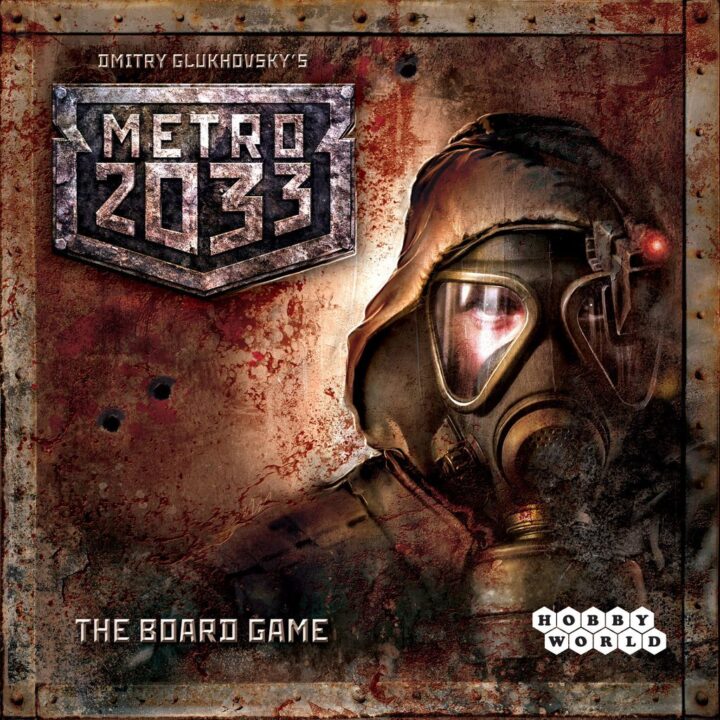
If you ever wondered what it would be like to lead a band of desperate survivors through a ruined subway system, then this review is for you. Let’s see if this game is a thrill ride… or just a train wreck!
How It Plays
Setting Up
First, toss the map of the Moscow Metro on the table. Give each player their own faction board and tokens. Add the cards, event deck, and resource pieces like bullets and food. Shuffle everything—trust me, you’ll want a clean start when the betrayals kick in!
Gameplay
Players take turns moving their squads through the tunnels, gathering resources, and claiming stations. Expect some wild standoffs and deals. Actions include fighting mutants (I’m great at this—unless I roll dice), collecting gear, or trying to backstab your dear friends.
Winning the Game
The goal is to control certain key stations and rack up points. Once someone reaches the winning score (depends on player count), the game ends—even if a mutant horde is right at your door. Only one Metro ruler will rise, and it’s usually the sneakiest.
Want to know more? Read our extensive strategy guide for Metro 2033.
Exploring the Gritty Depths: Theme and Atmosphere in Metro 2033
Metro 2033 does not pull any punches when it comes to theme. If you ever wanted to see what it’s like to live in a post-apocalyptic Moscow, this game is your ticket. The board itself looks like someone spilled a bag of cold, gray sadness and then put some tunnels on it. I mean that in the best way. My friend Mike said, “Jamie, why do I feel chilly even though it’s July?” That’s the atmosphere doing its thing.
Each player takes the role of a Metro faction, struggling to survive in a world where sunshine is just a rumor. The game captures that sense of desperation so well, I actually considered wearing two pairs of socks while playing. Bravo to the designers for nailing the whole rundown, claustrophobic vibe. I even caught myself whispering like a secret agent during trading rounds, just because it felt wrong to speak out loud. You know a game has good atmosphere when you start looking over your shoulder for mutant rats in your actual living room.
Every turn feels heavy with tension, like you’re one bad card draw away from a mutant attack or famine. Even the event cards smell like trouble. (Okay, they don’t actually smell, unless you spill soda on them. Ask me how I know.) The artwork is moody, the components dark and sturdy, and the setting soaks into every rule.
Next up: let’s see if Metro 2033’s gameplay is as tight and fair as its ‘underground bunker’ aesthetic. Can the game mechanics survive outside the tunnel darkness? Stick around.
Metro 2033 Board Game: How Fair is the Gameplay?
Let’s talk turkey—by which I mean, let’s talk about the nuts and bolts of how Metro 2033 works as a board game, not just a book or video game. You know those games that look cool but then get ruined because someone wins just by rolling dice better than you? Well, Metro 2033 tries real hard not to be that game. It’s got area control, resource management, and combat, all rolled together like the last burrito at a post-apocalyptic Taco Bell.
Each player moves their little band of survivors through the subway tunnels, snatching up equipment, trading with NPCs, and generally trying to outsmart the others. Actions use cards, and there’s a touch of unpredictability, but not so much that I wanted to flip the table. There’s just enough luck to keep things spicy, but most wins feel like they come from clever plays, not just good rolls. That’s a big plus in my book.
But, here’s the rub: balance isn’t perfect. Some factions start with obvious strengths, while others need a miracle (or a poorly timed toilet break from another player) to catch up. The combat system is a bit swingy—nothing ruins your day like your best fighter getting battered by a lucky shot. Still, I never felt like it was all hopeless. Clever alliances and a bit of bluffing can fix a lot in Metro 2033, though the rare runaway leader can make the endgame feel like you’re just riding the subway to Loserville.
Next, we’ll see if Metro 2033 is the kind of game you’ll want to play again and again, or if it’s just a once-in-a-blackout sort of adventure!
Replayability and Player Interaction in Metro 2033
When it comes to replayability, Metro 2033 earns a solid score in my book. You won’t see the same tunnel twice—unless you’re really unlucky or play with my friend Dave, who always chooses the weirdest routes and then blames the dice. But the way the map tiles are set up keeps each session fresh. You never quite know which mutant or rival gang is going to jump you next, which means every game tells a slightly new story. It’s the board game version of choosing your own disaster.
Player interaction is where things get spicy. If you’re into games where everyone sits quietly, minding their own business, Metro 2033 will yank you out of your comfort zone and throw you into a subway brawl. You have to negotiate, form shaky alliances, and—if you’re feeling especially mean—backstab your pals for a few extra bullets or a shiny artifact. Trust me, it’s all fun and games until someone gets ambushed in a dark tunnel. The decision-making and social wheeling and dealing make every round lively. Unfortunately, if you play with cutthroat friends, the atmosphere can turn tense faster than a Geiger counter in Chernobyl.
If you’re the type who likes to win with clever moves and a dash of social trickery, Metro 2033 will reward you. Just don’t expect your friendships to survive unscathed. Up next, I’ll be talking about the component quality and artwork—because let’s be honest, who doesn’t want a game that looks as good as it plays?
Metro 2033 Board Game: Pieces, Art, and Table Presence
Component quality, let’s be honest, can make or break a board game night. Nothing snaps me out of a tense, post-apocalyptic mood faster than flimsy tokens or cards so thin you can see through them. Metro 2033 deserves some credit here. The pieces actually feel solid, almost like they could survive a mutant attack (maybe not a direct hit, but you get the picture). Tokens are chunky enough that when you drop them—and you will, thanks to those surprise firefights—they don’t instantly vanish into your carpet like a radioactive coin.
The artwork really sells the theme. Each faction board is illustrated with moody, grimy glory. The cards feature artwork that says, Yes, the world is a mess, but at least it looks cool. I spent a good five minutes just admiring the map the first time we set it up. Even the manual has these little splashes of atmosphere—so you feel the gloom before you even start arguing over who gets which faction.
That being said, some pieces can blend into the board a bit too well, especially if the lighting is moody (to match the theme, of course). You might fumble around for a token only to realize it’s camouflaged among all the grays and browns. But that’s a small price to pay for immersion, right?
So, would I recommend Metro 2033 based on art and bits alone? For sure. It’s a gritty beauty—just watch out for those sneaky, blending tokens!
Conclusion
Alright, that’s the end of my journey through the tunnels of Metro 2033. This game nails the post-apocalyptic feel and the artwork fits the gritty vibe. The gameplay gives you some tense moments, and player interaction can get downright sneaky. There’s good replay value if you enjoy stitching up your mates over and over. But, things can get unfair if luck turns against you and sometimes it feels like the outcome is out of your hands. The components look good, though some tokens blend together and can slow things down. Overall, Metro 2033 is a decent pick for fans of backstabbing and bleak subways. That’s it for my review—thanks for joining me in the Moscow underground. See you at the next game night!