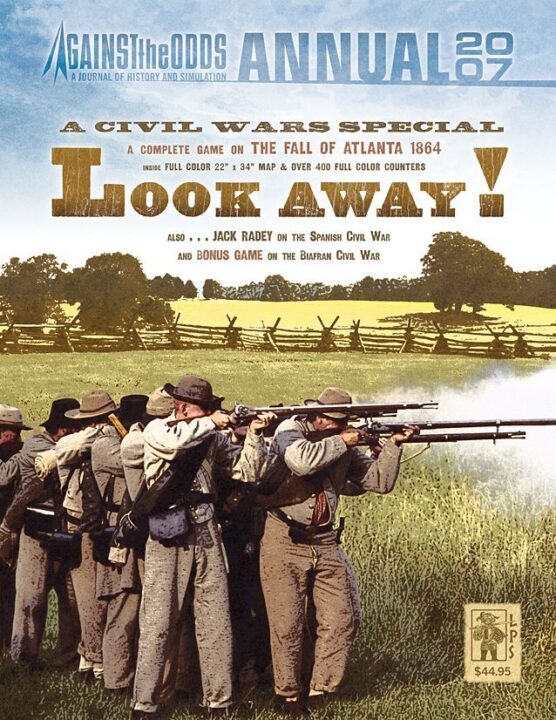

If you have ever wondered what it feels like to catch your friends fibbing without triggering a family feud, you might want to hear my thoughts in this review of Look Away!. I roped my usual bunch of board game misfits into playing, and let me tell you, things got loud, silly, and surprisingly dramatic. Is it a hidden gem or just another bluffing game packed with luck? Find out if Look Away! deserves a spot at your next game night.
How It Plays
Setting up
Each player grabs a set of look tokens and gets their secret role. Place the central board in reach and shuffle the action cards. Snacks nearby are optional but recommended.
Gameplay
Players take turns flipping an action card. Everyone must quickly decide—do you look at the secret or look away? Place your token secretly. When everyone has chosen, players reveal tokens at the same time. Resolve the action or penalty on the card, which often involves out-bluffing your friends. Arguments and bad poker faces are expected.
Winning the game
The game goes until someone collects enough points for clever decisions—or dramatic fails. First to reach the point goal wins, earning bragging rights and, if you’re in my group, the last of the chips.
Want to know more? Read our extensive strategy guide for Look Away!.
How Clear Are the Rules and How Fast Does Look Away! Play?
One thing I hate about some board games is when the rules look like they’ve been written by a lawyer who lost his glasses. Thankfully, Look Away! does not do that. I opened the box and, to my pleasant surprise, the rulebook only took me about four minutes to read. That’s less time than it takes my friend Paul to decide which flavor of chips he wants. The rules are organized by turns, actions, and those ever-important “what if” scenarios every game group seems to invent. If you’ve ever tried explaining a game to a new player and felt like you were reciting the tax code, you’ll be happy with this one. Look Away! just makes sense after one quick pass.
We got our first game started five minutes after unpacking, which is about as fast as my group can agree on anything. Game length is another major plus. A usual session for us clocks in at around 20 to 25 minutes—perfect for a quick match before dinner or to squeeze in a little tabletop fun while you wait for the pizza guy. Even when teaching the game to George (who once tried to play Monopoly with Uno cards), there were no major slowdowns. The action moves quick, so nobody ends up scrolling on their phone or making coffee mid-turn.
If I had to nitpick, the only fogginess comes if you try to overthink the bluffing rules, but the examples help a lot. All in all, Look Away! is a breeze to get to the table and speeds along like it knows you’ve got places to be. Next, let’s check out if this quick play leads to some real table fireworks—or just awkward stares—when it comes to player interaction and engagement!
How Does Look Away! Keep Everyone at the Table Awake?
I’ve played a lot of games that claim to bring everyone together, but honestly, some just end up turning into a nap for half the table. Luckily, Look Away! does the exact opposite. It’s a party game where players must either stare at each other or look away at the right moment, making it impossible to zone out. My friend Brian tried looking at his phone once during a round, and the group collectively stared him down until he cried for mercy. (Don’t worry – he’s fine. He just had to wear the Donkey Hat of Shame for the rest of the night.)
What really makes Look Away! special is how involved everyone feels. Every round, the tension in the room skyrockets as you try to predict your friends’ next move. Will Liz lock eyes with you, or will she chicken out at the last second? There’s always a bit of bluffing, a bit of laughter, and a lot of pointing fingers. No one gets left out because every player acts at the same time. Even our shyest group member, Amanda, got caught up in the drama and started trash-talking. (She’s now banned from poker nights, but that’s another story.)
If you’re looking for a game with loads of direct interaction, Look Away! is a hit. Everybody’s engaged the whole time—no waiting ages for someone else’s turn or wandering off to check the fridge. If anything, you’ll wish you had more eyeballs just to keep track of all the action.
Strap in, because up next, I’ll spill the tea about how much Look Away! leans on luck, and whether your poker face even matters.
Luck Versus Skill: Who’s Really Calling the Shots in Look Away!
Ah, the eternal battle: Luck vs. Skill. When my friends asked me to bring Look Away! to our game night, I could tell some were sizing up their poker faces, while others (like me) just hoped for the best. How much of this game is about reading people’s minds and how much is just sheer dumb luck?
Look Away! walks a wobbly line between the two. On one hand, you get those moments where your bluff is so good, you want to retire from board gaming a legend. You can outwit your friends by observing their tells (I swear Sarah always scratches her nose when she’s lying). That’s the skill part. You can try to plan, predict, and manipulate your way to victory if you think you’re clever enough.
But here’s the catch: the game’s biggest moments often come down to quick choices and a dollop of luck. Sometimes, it’s about being in the right place at the right time. You might pull off the world’s greatest fake-out, only to have fate laugh in your face as your opponent randomly guesses right. I’ve seen cunning strategies crash and burn because someone just closed their eyes and shrugged. This means that while Look Away! rewards bold moves and gutsy plays, it can punish you for no reason at all.
If you’re a strategy buff who wants every move to matter, Look Away! might leave you grumbling. But if you love a party game with wild swings and silly surprises, you’re in for a treat. Now, let’s roll into the next section—because sometimes, the box and bits are just as important as what’s inside your head!
Are The Pieces In Look Away! Worth Looking At?
When I first opened up the box for Look Away!, I had no idea what to expect. I was half-hoping for a million-dollar bill inside—spoiler, there wasn’t one. But what I did find was a pretty decent set of game components that made setting up less of a chore than folding fitted sheets, which is always a win in my book.
The cards in Look Away! are sturdy enough to take a few accidental soda spills, which is good news if you play board games with my friend Greg. The artwork is cheeky and gives the game a playful vibe—basically, if cartoons could wink, this art would be doing it non-stop. The tokens and markers feel like they’re meant to be handled. No thin scraps of cardboard here. The box even has a plastic insert, so setting up the game doesn’t feel like you’re on a scavenger hunt for missing bits.
Now, about the theme. Look Away! tries to capture those moments when you lock eyes with someone across a crowded room and then pretend you didn’t. The game actually nails this. There’s a real “did you just see me?” feeling every round. It’s not a heavy theme—no deep story here—but it’s light, it’s silly, and frankly, a good way to break the ice with new players. Bonus: you don’t need to be a board game veteran to get in the groove.
So, would I recommend Look Away!? If you want something light and quirky with decent pieces and a fun, breezy theme, absolutely. Just don’t expect to find that million dollars.
Conclusion
Look Away! brings a silly, quick game to the table with fun bluffing and good laughs. The art and parts look great and make it more inviting. It’s easy to teach and everyone got into it fast at our game night. But luck can mess with your plans, so don’t expect deep strategy here. If you want a light, fast game with lots of noise and fake-outs, Look Away! fits the bill. If you want to test your brain, you might be let down. This wraps up my review—hope it helps you decide if it’s your next game night hit!