

If you’re like me, you’ve already wasted precious snack time arguing about which filler game to play next. Well, put down those stale pretzels and grab your favorite mug, because this is a review of Limits. I’ve played it more times than my neighbor’s cat has ruined my garden—and that’s saying something. Whether you’re looking for a quick brain burn or a sneaky way to outsmart your friends, stick around to see if this one deserves a spot on your shelf.
How It Plays
Setting up
First, deal everyone the same number of chips and cards. Place the card piles and the chunky chips in the center. Try not to eat the chips, no matter how hungry you get. Everyone should have their player tokens too (unless a cat stole one, in which case, improvise!).
Gameplay
On your turn, play a card face down in front of you and announce a number. The trick? You can lie! Other players either believe you, or they call your bluff quicker than my grandma at bingo. If someone challenges and you lied, you pay a chip. If you told the truth, the challenger pays. The round keeps going until the agreed upon limit is met—just like when you finally run out of snacks at the table.
Winning the game
The last player with chips left is the winner! Just remember, the game takes more than dumb luck. If you’re always the first one out, maybe stick to checkers. Or develop a better poker face.
Want to know more? Read our extensive strategy guide for Limits.
How Easy Are The Rules of ‘Limits’? Spoiler: You Won’t Need a Law Degree
Sometimes you open a new board game and see rules thicker than a phonebook, and you start missing Monopoly. Good news: ‘Limits’ isn’t like that. The rulebook doesn’t feel like an ancient scroll, and you won’t need a special hat just to keep track. I brought ‘Limits’ to my regular game night, and we had the thing up and running in fifteen minutes—no one left crying, and nobody called their lawyer. That’s a success in my book!
The main idea is simple: players lay down cards, but there’s always a catch—the limits. See what they did there? Each pile has a set maximum, and if you go over, you’re out. The instructions are clear, short, and even include some little examples. My friend Dave, who’s been known to forget Uno rules, managed to grasp everything in one go. There are no fiddly exceptions, mystery conditions, or secret decoder rings needed. You can even explain it to your aunt who sticks to Rummikub, and she’ll absolutely get it.
Now, don’t get me wrong—while the rules are easy, the game isn’t just a mindless card toss. ‘Limits’ rewards smart moves, but it’s accessible enough for everyone around the table to have a good time. The learning curve is gentle, not a straight-up mountain. It’s perfect if you’re tired of explaining things over and over instead of playing. If you like to get in and play quick, you’ll love that about ‘Limits’.
Next up, let’s see how much you can actually mess with your friends and what sort of scheming is possible with all these so-called limits…
How Does Player Interaction and Strategy Stack Up in Limits?
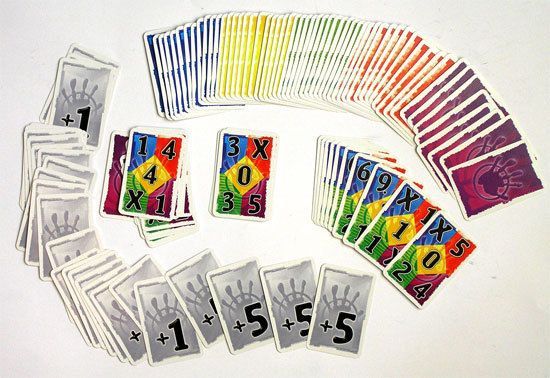
Let me tell you, if you’re looking for a game where you can just sit back and nap between turns, Limits will slap you awake with a hand of brightly colored cards. Player interaction is everywhere. You constantly watch your friends’ faces, trying to guess if they are hoarding the good stuff, or if they’re about to throw a wrench in your plans. Last Friday, my buddy Sam smirked so much I thought his face would break. He was bluffing, of course, and I fell for it—hook, line, and sinker. No trust left at that table.
Limits always keeps the table chattering. Every point counts, and there’s no escaping the fact you need to keep tabs on what everyone collects. If someone goes wild for a certain color, you can try to block them or ride their coattails. There’s a fine balance between pushing your luck and managing your hand. The strategic depth isn’t chess, but it’s not tic-tac-toe either. There’s just enough to make you feel clever when you win, and just enough bluffing to make you sweat.
Since the game is so snappy, you’ll catch on to sneaky tactics pretty fast. You can try to play it safe, but someone always seems to break the unwritten limits of trust and friendship for a few more points. This tension is half the fun—debating if you should push that limit or stay back. The game never feels the same twice, so every group brings their own flavor.
Next, let’s talk luck versus skill in Limits—because sometimes it feels like the shuffler is out to get you, and sometimes you are the shuffler’s best friend.
Luck vs Skill: The Battle in ‘Limits’
If you’re like me, you probably groan when luck turns your clever board game plans to mush. So, how does Limits handle the eternal tug-of-war between luck and skill? Well, let’s spill the beans.
First off, there’s definitely luck here. You draw cards, and sometimes Lady Luck hands you a bunch of duds. I know this, because last Thursday I drew so many useless cards that my friends started calling me “Jamie the Jinx.” But it’s not just about blind card draws—thankfully! The main trick in Limits is bluffing and outsmarting your friends. You get to play cards face down, trying to convince people you’ve got big points under there. Sometimes you’ll win big with a good poker face, but sometimes someone will call your bluff and leave you looking, well, less like a champion and more like a chump.
There’s a skill ceiling for sure. If you pay attention to what’s been played and keep a close eye on your friends’ twitchy poker faces, you can do really well—even with bad cards! But, truthfully, luck still sticks its nose in. I’ve seen an expert player get trounced because they just couldn’t draw what they needed. On the bright side, no one goes home mad—the swings keep it funny and light.
Next up, grab your sunglasses and your best game face—we’re about to tackle the replay value and table appeal of Limits!
Replay Value and Table Appeal in Limits
If you want a game that sneaks onto the table more times than your cat sneaks onto your keyboard, Limits is a solid contender. The setup is so quick, you’ll spend more time finding your misplaced snack chips than dealing the cards. Limits looks clean on the table, too. It doesn’t sprawl like some games that take up three postal codes. The bright cards and simple design make it easy for even your most distracted friend to follow along. I’ve hauled it to board game nights, family dinners, and even a camping trip—Limits survives them all and never overstays its welcome.
Replay value sits high because each round plays different depending on who is at the table. Your cousin the risk-taker? The grumpy uncle who always bluffs? With each group, the game vibes shift, and so do your strategies. There’s also a little “aha!” moment when you spot your friends’ quirks—like who always pushes their luck. Limits isn’t one of those games you play twice then let collect dust. Nope, it’s got the kind of quick, snappy rounds that make people say, “Let’s play again!” before anyone gets up for snacks.
I will say, if you want a game that’s always serious business, maybe keep looking. But if you like laughs and quick rounds, I recommend Limits. It brings people together and keeps them there, which, let’s be honest, is the whole point of gaming anyway.
Conclusion
That wraps up my review of Limits! If you want a game that’s easy to teach, makes everyone laugh, and lets you flex your bluffing muscles, this one hits the spot. The rules are clear, the table presence is solid, and there’s lots of replay value without any need for a PhD. I do wish luck didn’t tip the scales sometimes, but it’s never enough to spoil the fun—just enough to make me shake my fist at fate. Limits is a great pick for families or game nights where you actually want to speak to each other after. Thanks for reading—now go see who you can outwit at your table!