
Welcome, bored folks and brainiacs! Grab your thinking caps, because today I’m reviewing that old classic with a twist-free name: Chess Game 2 Player. I’ve spent way too many hours hunched over this board, facing off against friends who now know all my sneaky moves. If you think chess is just for serious types with monocles, think again—this is a game that’s as simple to start as it is hard to master. I’ll cover the rules, fairness, fun factor, and even if you’ll ever have a chance to beat your grandma. Let’s see if this time-honored battle is worth your precious game night!
How It Plays
Setting up
Each player grabs 16 pieces—one set white, one set black. You line them up on opposite sides of the board. Pawns go in front. Rooks in the corners, then knights, bishops, king and queen in the middle. Queen loves her own color square. Check twice, or you’ll have someone yelling ‘Wrong side!’ ten moves in.
Gameplay
White goes first, always. (White’s first, but that’s it for unfairness!) Players take turns moving a piece following its own funky rules—bishops swing diagonal, knights jump all weird, and pawns lurch forward but attack diagonally. Every move might get one of your pieces gobbled up if you’re not careful! No dice, no cards—it’s all about thinking ahead, trying not to lose your queen in three moves, and pretending you meant to make that odd-looking move.
Winning the game
To win, you’ve got to trap the other king so it can’t run, block, or zap out of check. That’s called “checkmate.” If nobody can make a move and the king isn’t checked, you get a draw. But really, winning means you get tasty bragging rights until next time.
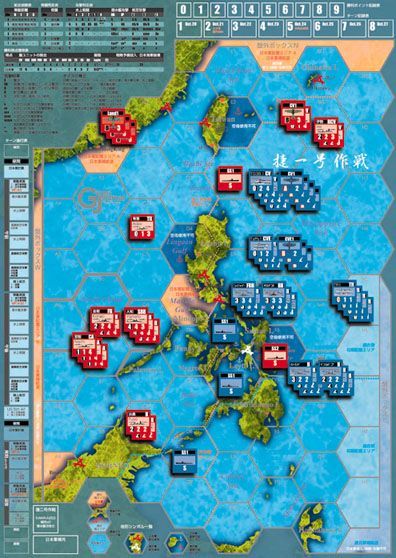
Want to know more? Read our extensive strategy guide for Leyte Gulf Naval Chess Game.
Chess Game 2 Player: How Clear Are the Rules, and Do the Mechanics Hold Up?
When my mate Dave got out the Chess Game 2 Player set, we both knew we were in for a ride. I mean, chess is older than my grandma’s jam recipes, but I wondered if this version would have an instruction booklet so thick it could be used as a doorstop. Surprise! Right from the start, things made sense. The rules fit on one page—but not because they skipped anything important. They just trusted you to know how to move each piece, then explained stuff like en passant and castling without all the usual fluff.
I like that the Chess Game 2 Player doesn’t try to reinvent the wheel. Bishops still zip on diagonals, knights do their funky horse jumps, and pawns march forward like teenagers to free pizza. Setup is easy—no weird symbols or side decks to fuss with. You get a board, two sets of pieces (none of those awkward extra pawns, thank goodness), and a handy cheat sheet if you’re the forgetful type like me after three coffees.
Everything’s clear, even if you’re not a grandmaster. There’s no ‘gotcha’ rule hidden at the bottom in size-6 font. When I played with my niece, she picked it up fast. Things like check and checkmate are explained so you won’t mess up at the table and pretend it’s a draw when you’re actually toast.
If you want a game night that doesn’t require arguing over rules for an hour, Chess Game 2 Player has your back. Next, let’s see if the game is as fair as a coin toss or if someone’s getting an unfair head start!
Is Chess Game 2 Player Fair? Let’s See!
If you’ve played Monopoly with your annoying uncle, you know how unfair some games can be. But Chess Game 2 Player is a different animal. This game is the gold standard for balance. Both players start with the exact same pieces and setup. There are no surprise twists, no lucky rolls, no “Oops, you landed on Boardwalk” nonsense. It’s like playing tennis, but you both get the same racket and there’s not even any wind to cheat for anyone. Fair and square!
But, of course, there’s always a little twist. In Chess Game 2 Player, one person plays white, and the other gets black. White always makes the first move. Is this fair? Some chess nerds will do math and say white wins a teensy bit more often. In the games I played, the only advantage was that my friend claimed she needed more coffee before playing black, but I think she was just looking for an excuse for losing.
What really makes it fair is skill rules all. You never walk away thinking, “If only I’d rolled better…” Chess Game 2 Player rewards clever thinking, not lucky dice. If you lose, it’s because your opponent outsmarted you—ouch, that stings, but it’s true.
So, if you crave a game where brainpower matters and you can’t blame the cards, this is your jam. Next up, I’m going to don my historian hat and talk about the theme and historical accuracy—get ready for a trip through time, with less dust!
Theme and Historical Accuracy of Chess Game 2 Player
Let’s be honest: Chess Game 2 Player doesn’t whisk you away on a magic carpet ride or turn you into a dungeon-crawling hero. Instead, it plonks you straight into the ancient world of kings, queens, and sneaky pawns. The game drips with old-school vibes—even if the only thing medieval about my living room is the amount of dust under the coffee table.
Do you get to wear a crown or wield a sword? No, but each piece has its own backstory. The king always feels like he’s hiding behind better people (sounds familiar at work), the queen is a powerhouse (my partner agrees), and the knights move in that strange L-shape like they got lost on the way to the jousting tournament. I read somewhere that chess started in India, but the game we play today is like a world tour of history lessons and rule tweaks. If you’re a history buff, you’ll spot references tucked behind every piece, from the bishop’s diagonals to the rook’s castle-shaped hat. Sure, the chessboard doesn’t really explain Europe’s wars, but it does let you replay a pretend battlefield every match—without risking your favorite hoodie to cannon fire.
Chess Game 2 Player nails the classic theme, even if it doesn’t go wild with story or setting. What you see is what you get: pure, timeless strategy with knights, castles, and all-out brainy battles. Next up, I’m about to spill the beans on whether this classic ever gets stale or if your brain will fry trying to keep up!
Replayability and Learning Curve in Chess Game 2 Player
If you want a board game that keeps on giving, chess game 2 player is a real heavyweight champ. I’ve played more rounds of this than I’ve had hot dinners, and somehow, no two matches feel the same. You never get bored because there are more move combos here than my grandma has knitting patterns (and that’s a lot!). One day, you could be setting up the classic Fool’s Mate, and the next, getting schooled by your best friend’s weird knight dance.
The learning curve is a wild ride. On my first game, I moved my pawns around like they were on a walk in the park—then my opponent mopped the floor with me. But here’s the magic: you get better each time you play. The rules are simple (seriously, you could teach someone the basics in under ten minutes), but the strategies? Oh boy, they go deep. I still learn new sneaky tricks every time my group sits down for a match. It’s easy to start but tough to master, and that keeps me coming back for rematches, revenge, and accidental self-checkmates.
If you want a brain-busting challenge with endless replay value, chess game 2 player totally delivers. Whether you’re playing with your little cousin or that annoying friend who calls themselves a grandmaster, you’ll always find new ways to win—or lose in style.
So, do I recommend it? Absolutely! Unless you hate thinking, in which case, maybe stick to Hungry Hungry Hippos.
Conclusion
That wraps up my review of Chess Game 2 Player! If you want a classic game with endless replay and pure skill, this is the one. The rules are clear, and every match feels fair—unless you blame losing on going second (I do, sometimes). It doesn’t have wild story or lucky dice rolls, but hey, some of us like a good old brain workout. Just watch out: the learning curve is steeper than my cat trying to climb the fridge. Overall, you’ll get big value, lots of fun, and maybe a headache from thinking too much. Give it a go if you love strategy and don’t mind being humbled by an eight-year-old.