If you’ve ever wanted to feel the thrill of racing without needing a driver’s license (or risking your dignity in a go-kart), then you’re in the right place. In this review, I’ll share what happened when my friends and I hit the tabletop track, dodged plastic cars, and argued about whose turn it was to crash spectacularly. Get ready for honest laughs, a few bumpy turns, and everything you need to know before you grab the game for your next game night.
How It Plays
Setting up
First, lay out the big race track in the middle of the table. Give each player a set of colorful little cars (I always pick yellow, but that’s because I’m a subtle speed demon). Hand out a player board and some tokens. Shuffle the deck of cards and put them nearby—these are your movement and strategy cards. Place everyone’s cars on the starting grid—yes, pole position arguments are allowed, but just use the rules.
Gameplay
On your turn, play a card to zoom your car forward, hit curves, or maybe mess with your friends—because bumping them off the track (metaphorically, not physically!) can win races. Pay attention to the corners. Take them too fast, and you’ll skid out and waste turns. Hand management is crucial, so don’t just burn your best card because you like the art (learned that the hard way!).
Winning the game
Keep racing until one car rockets across the finish line—first one there wins! If two cars cross in the same round, whoever’s ahead on the track takes the trophy. Celebrate with your best race car noises and force everyone to call you “champ” for the rest of the night.
Want to know more? Read our extensive strategy guide for Grand Prix.
Racing Mechanics and Player Interaction in Grand Prix: Fast Lanes and Fast Banter
When you get your hands on Grand Prix, you’re not just pushing chunky plastic cars around a track. You’re stepping into a high-octane world filled with sharp turns, quick decisions, and just enough player chaos to keep you on your toes. My crew and I geared up for a test run last weekend, and I’ll just say, friendships were tested as much as our driving skills.
The racing mechanics in Grand Prix are slick. Players control multiple cars (which is wild), so you can’t just focus on your “best” ride. You have to play the field—sometimes it feels more like babysitting a team of caffeinated puppies than racing. The movement system is all about card play and hand management. You plan your moves, but so does everyone else, so things rarely go to plan. If you take your eyes off the road (or your opponents), you’ll wind up in a traffic jam worse than the drive-thru at midnight.
Here’s where the player interaction really shines. Every round, you can block, draft, or even accidentally (I swear it was an accident) send someone spinning onto the grass. There’s a lot of friendly smack-talk and rivalry. You can help or hinder others, often at the same time. It’s one of those games where the mood at the table is almost as important as what’s happening on the board.
The only sour note? If someone gets boxed in early, it can be tough to recover. It’s not a total luck-fest, but sometimes the cards and track conspire against you. Still, I love the tension and wild moments that pop up every lap.
Before you race off, let me shift gears and talk about the unsung heroes of any game night: component quality and the setup process. Spoiler: there are a lot of little cars.
Examining the Nuts and Bolts: Grand Prix Component Quality and Setup
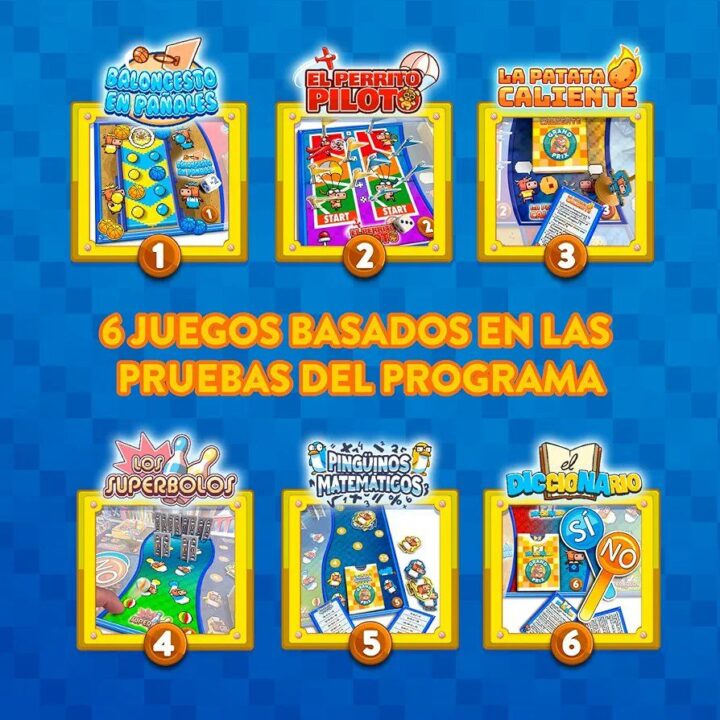
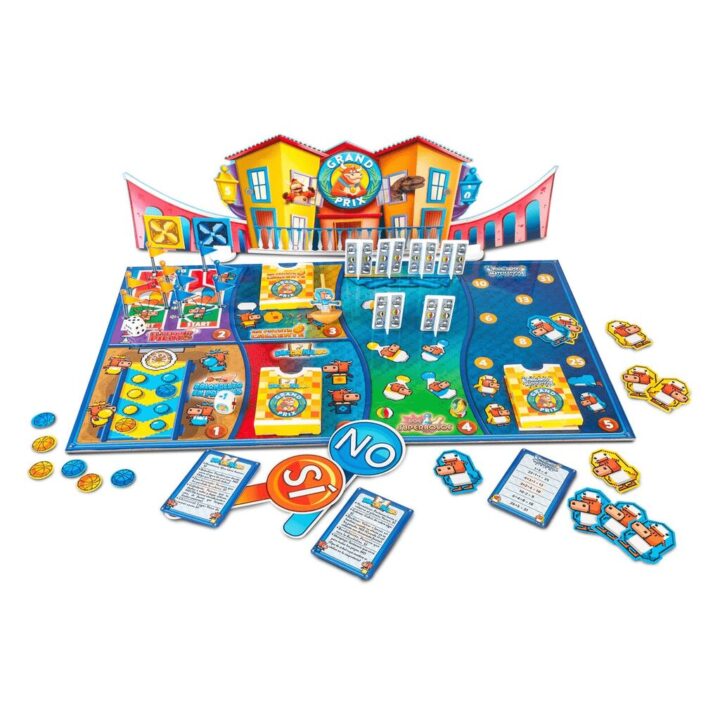
Let me tell you, when I first opened my copy of Grand Prix, it felt a bit like that scene from every racing movie where the hero pops the hood and inspects their car. There’s immedate curiosity, a little awe, and—ahem—a quick sniff of the box (don’t judge, the board game smell is half the fun). The main board looks striking, with vibrant track artwork and bright colors that pop on the table. The car miniatures are cute, solid, and they feel good in your hand. I didn’t have any broken spoilers or bent wheels, so already a win over some shoddy games I’ve played.
The tokens and money punch out easy—none of that awkward tearing that leaves you with confetti instead of proper tokens. Grand Prix gives you plenty of plastic bits and cards, too, which look pretty sharp. The cards themselves are standard, nothing fancy, but they shuffle fine and won’t disintegrate if your friend Timmy sneezes on them (again).
Now for setup, Grand Prix isn’t too rough. You’ll spend about five or ten minutes sorting car colors, placing cards, and handing out starter resources. It’s simple, but if you hate putting tiny cars on the track, maybe recruit a nimble-fingered buddy. The game actually has a logical flow as you lay things out, so even my chronically confused friend managed it solo. Always a good sign!
Speaking of confusion, ever wonder if Grand Prix is a race where skill or luck takes the wheel? Strap in, because that’s our next topic!
Luck vs Strategy: Can You Steer Your Way to Victory in Grand Prix?
Now, let’s talk about the thing that can make or break a racing game: luck versus strategy. When I cracked open Grand Prix with my group—who are as competitive as a pack of caffeinated squirrels—I knew the game would either have us high-fiving clever moves, or groaning about unfair dice rolls.
So, Grand Prix lives in that weird neighborhood where both luck and strategy own property. Each turn, you get to choose how you move your cars. There’s smart stuff you can do, like blocking rivals or drafting behind cars for bonus moves. Skill matters, and you can actually plan a little—unlike some racing games where you just chuck dice and hope you don’t crash into Aunt Doris’ Sunday roast.
Buuuut… there’s also a deck of movement cards and some random draw for turn order. Sometimes, your strategy can get thrown to the wind because of a card that pops up at the wrong time. When that happens, my friend Steve starts blaming his star sign—and honestly, I can’t say he’s wrong. The game can feel swingy, especially when everyone’s cars cluster together and one lucky card sends someone speeding ahead.
For me, Grand Prix lands in the camp of ‘mostly fair, but don’t expect chess-level control.’ The luck factor keeps everyone in the race, but hardcore strategists might get twitchy. Next time, I’ll share how this blend of chaos and planning holds up with different player counts—brace yourself, because things get crowded!
Grand Prix Replay Value: Is It Worth Playing Again and Again?
Let’s talk about the replay factor in Grand Prix, because no one wants a game that collects more dust than my treadmill. I gathered my gaming group one Friday night, loaded up the snacks, and we set out to test the game with different numbers of drivers. The experience? Wildly different! And not just because Steve kept making vroom-vroom sounds.
With a two-player race, Grand Prix is kind of like a lonely drag strip showdown—there’s strategy, but it feels a bit empty. More players, though, and suddenly the game explodes into chaos (in a good way). With six, there’s bumping, blocking, and more trash talk than the last family Mario Kart night. The board gets crowded, which means every corner gets that much riskier and every move counts. Honestly, the game shines at five or six. It’s a bit like a real race: your decisions matter, but so does how you handle the unpredictable moves of others. If you’re a drama fan, pack the table.
Replay value also comes from the different teams and the variable board setups. We tried changing start positions and fiddling with the team abilities, and it brought new surprises each time. But I’ll admit—run the same track with the same folks too often and you’ll start predicting each other’s moves. For best results, mix up the player count and board setup.
So do I recommend Grand Prix? With the right crowd, absolutely. It’s best at high octane with a full crew. Just don’t play it solo, unless you really like talking to yourself.
Conclusion
Well, that brings my Grand Prix review screeching across the finish line! This game zooms ahead with fun racing action, lots of elbows-out player banter, and nice chunky bits. If you like your games with more planning and less dice-rolling panic, Grand Prix may stumble a little—luck can really throw a wrench in your plans. But with the full crew of racers (and friends who don’t mind some tire-squealing chaos), it delivers a solid evening of oohs, aahs, and groans. If you live for clever passing and outsmarting your buddies, and can laugh off a cruel card draw, go for it. If you want pure strategy, you might want to keep the pedal off this one. Thanks for reading, and remember: always wear your seatbelt when flipping tables in frustration!