
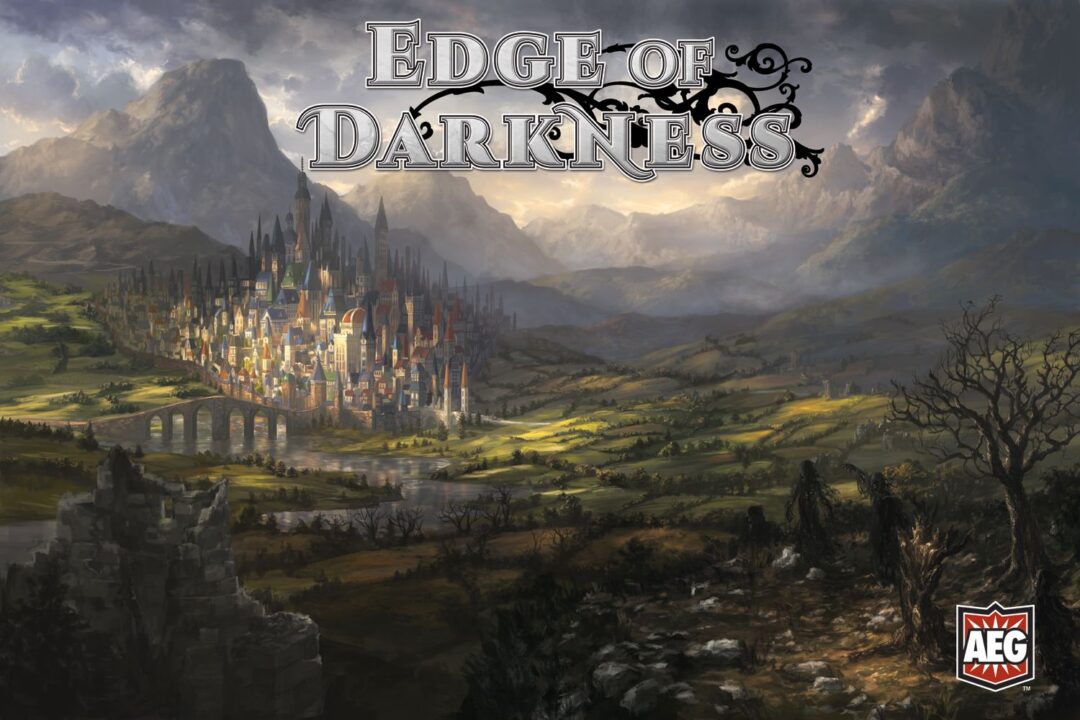
Alright folks, gather round—it’s time for my review of Edge of Darkness. Picture this: a table groaning under the weight of cards, screens, big chunky cubes, and a tower that looks like Jenga’s intimidating cousin. What followed was a whirlwind of card crafting, tough choices, and some dramatic cube drops that almost ruined my friendship with Steve (long story, he knows what he did). If you’re thinking about jumping into this beast of a board game, I promise I’ll give you the neat and the messy—so hang tight, because I’ve got stories and scars to share.
How It Plays
Setting up
First, clear your table because Edge of Darkness needs a lot of space. Everyone picks a guild board, and then you build the central city board with all its fancy slots. Shuffle together the starter cards and plug in some cool advancements—these are like card upgrades. Place all the towers, cubes, threats and that intimidating cube tower.
Gameplay
Each round, you get cards (from a shared deck!) and can add advancements to them—think of super-gluing swords and shields onto your business cards. You stack influence, gather resources, and try to protect the city from monsters. The cube tower spits out colored cubes to see who gets attacked. There’s loads to do: hire agents, build defenses and sometimes set traps for everyone else.
Winning the Game
Once the final round ends, everyone adds up their victory points from cards, threats defeated, and city stuff. The one with the most points gets to wear an imaginary mayor’s hat. If there’s a tie, it goes to whoever has the most leftover resources—so don’t eat all your cookies at once.
Want to know more? Read our extensive strategy guide for Edge of Darkness.
Card Crafting and Deck Building: Sharp Tools, Not Blunt Sticks
I love a good deck builder, but let’s face it: most of them follow the recipe like my mum’s safest casserole. Buy cards, shuffle, repeat. Nothing wrong with that, but it gets stale faster than my cousin Steve’s jokes. And wow, did it deliver!
Edge of Darkness uses a card crafting system that lets you customize cards during the game. Not just collecting cards, but physically sliding transparent upgrades into sleeves to upgrade what the cards can do! It’s like giving your deck a set of power tools. Instead of the deck being just yours, you share the main deck with all players. This makes your choices hit harder—if you soup up a card, someone else might draw it and thank you (or curse you) later. It’s like giving your house keys to your nosy neighbor, but somehow it works in the game’s favor.
Deck building has a twist here, too. You don’t just hoard the best cards for yourself. Since the deck is public, you’re almost playing communal deck manager at the world’s weirdest HOA meeting. Decisions matter, but so does keeping an eye on what your friends might pull next. It brings a level of interaction most deck builders miss, and I loved the wicked tension it brings. But, I’ll be honest: if you come in expecting pure strategy, there’s still a luck element that can’t be ignored, which makes me twitch a little.
Just as you start to get comfy with these clever systems, you’ll notice the play time and downtime creeping in—coming up next, I’ll spill the beans on how Edge of Darkness handles (or fumbles) waiting around!
Edge of Darkness: Game Length and Player Downtime Woes
Edge of Darkness isn’t a game you just whip out for a quick thirty-minute session. Nope. The box says 90–120 minutes, but in my experience, if you’ve got a full table of newbies and at least one overthinker (there’s always one—love you Dave), you can bank on two and a half hours easy. And that’s if you don’t stop to argue about the rules, which, spoiler alert, you will.
Downtime is the sneaky villain here. Edge of Darkness is thick with choices, so there’s a lot of “Hmmming” and “Wait, can I do that instead?” If you’re not the current player, you might spend your time planning, but more likely you’ll be watching someone else try to maximize their turn like it’s the last roll of the century. This can drag, especially with four players. Sometimes I felt like I started growing a beard between my turns, and I don’t even grow good facial hair.
There are ways to keep engaged—threat tracks and enemy attacks mean you always have a little stake in what’s happening. But if your group isn’t on the ball, the game can feel way longer than it should. Next up, let’s see if luck ruins your careful plans, or if Edge of Darkness lets your brain shine—get ready for the balance between luck and strategy!
Luck vs. Strategy: How Much Control Do YOU Really Have in Edge of Darkness?
The heart of the game is a balance between strategic planning and, well, a generous helping of luck. Tragic, yes—but also pretty funny in hindsight.
Here’s the deal. You get a lot of control with your card crafting and selecting which actions to take on your turn. Not to mention, you can try to read your opponents and make clever moves to block their plans. There’s a thrill in outsmarting your friends, and it feels so good when you actually pull it off. But there’s also the Tower of Fate—this intimidating structure where cubes decide the outcome of encounters. I swear, sometimes it feels like the tower holds a personal grudge. You might think you’re safe, but a few unlucky drops and your whole plan falls apart. Edge of Darkness tries to level the playing field with all those strategic choices, but let’s face it, the luck of the draw (and drop) is always lurking around the corner. If you want pure chess-like control, this isn’t your jam. But if you like strategy with a side of chaos, welcome to the club.
Speaking of clubs, get your eyes ready for my thoughts on Edge of Darkness’s component quality and visual table presence—because this game is one heck of a looker!
Component Quality and Eye-Catching Table Presence in Edge of Darkness
Let’s talk about the table appeal of Edge of Darkness. When I first set it up, my friend Dave walked in, took one look, and immediately asked if we were summoning demons or just playing a game. That’s when you know a game really owns the table. The main board is huge, with art that could scare the local art gallery into submission. Every card, from the villager who looks like he regrets his life choices, to the monsters, looks fantastic. Seriously, this game could double as a fantasy-themed wallpaper shop.
The component quality made me feel spoiled. The plastic cubes are satisfyingly chunky. The card sleeves? Thick enough that even my clumsy friend Cheryl couldn’t destroy them, and she’s basically a natural disaster with hands. The cardboard feels sturdy and shuffles like a dream, which is handy, because you’ll shuffle a lot. The clear sleeves for card crafting are a clever idea (though, full honesty, I did drop some inserts in my lap and had to play 52-pickup).
Let’s not forget the cube tower. I’ve seen plenty of games with dice towers, but this thing? It’s like a cube volcano. Drop cubes in, and nobody knows what’s coming out the bottom. It’s fun, it’s wild, and it fits right in.
If you want a game that looks like an epic battle is about to break out on your dining table, Edge of Darkness is it. But only buy it if you have room to spare. I recommend it for the wow factor alone – just keep Dave away from the summoning circle.
Conclusion
So that wraps up my review of Edge of Darkness! This game tries to be part deck-builder, part worker-placement, and part cube-chucking drama queen. I loved the card crafting and that shared central deck—it’s like competitive group therapy. The components look fancy, with art that could make dragons weep, but make sure you have a big table and a patient group, because setup takes longer than my last attempt at IKEA furniture.
There’s some real downtime if your friends take forever, and luck can swing the game thanks to those cube drops. If you hate randomness more than I hate soggy pizza, this might not top your list. But if you want a unique, crunchy game that’s fun to look at while you argue about destiny, you’ll have a blast. Thanks for reading—see you next game night!