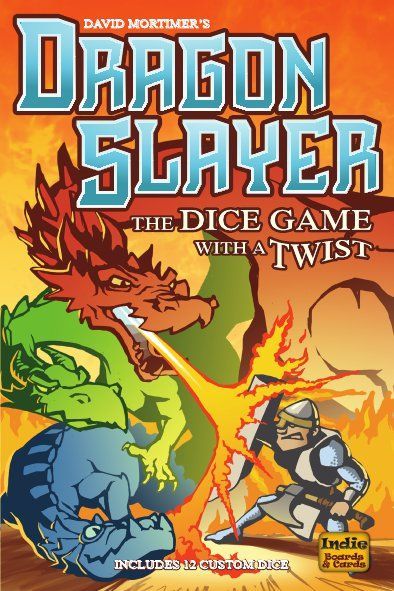

Here comes my brutally honest review of Dragon Slayer! I played this with friends, snacks, and a lot of shouting—and I lived to tell the tale. Is it the stuff of adventure, or is it just a big roll of the dice? Read on to find out if this little box of chaos deserves a spot on your game night table, or if you should save your gold for another quest.
How It Plays
Setting up
Grab the dragon dice, hero dice, and those little score tokens—don’t eat them, they’re not Skittles. Each player gets a set of hero dice. Pick a brave soul to go first. Place the dragon dice and tokens in the middle. That’s it. You’re good to go in under two minutes, unless your friend Dave insists on explaining the rules he just read fifteen minutes ago.
Gameplay
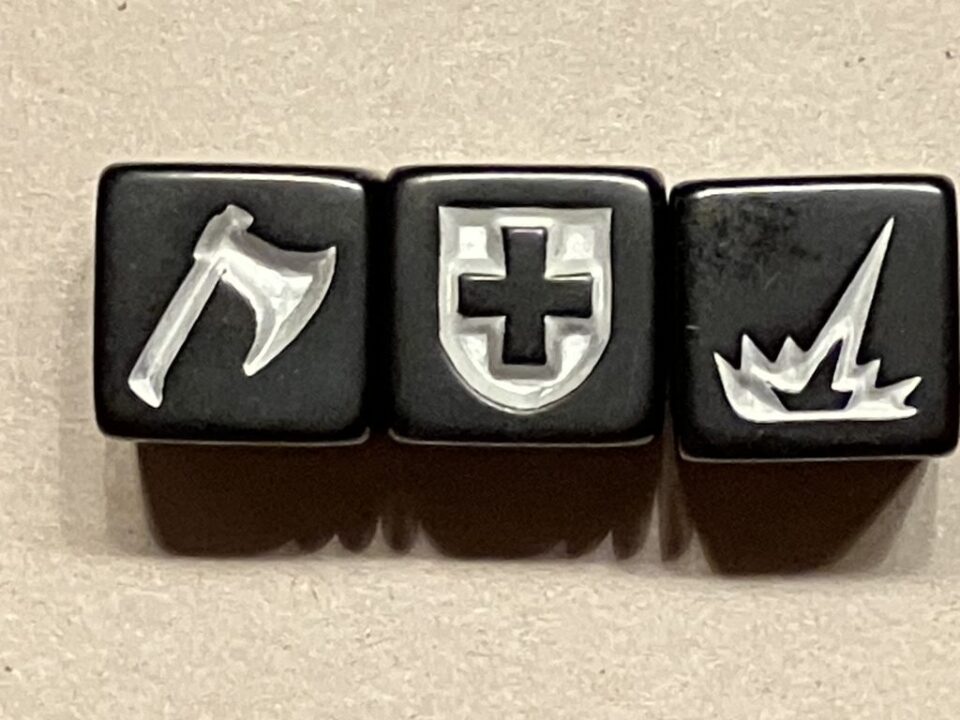
On your turn, roll your hero dice. Use sword icons to blast dragons, shields to defend, and axes to break chains. If you slay a dragon, claim a token and keep going—or stop and bank your points. But wait! Your friends can challenge you to keep rolling for more dragons or risk losing what you’ve earned. There’s a lot of shouting and mock-triumph. Sometimes, it’s actual triumph if you’re luckier than me (which, let’s be honest, you probably are).
Winning the game
First player to slay three dragons and shout about it wins. If the dice betray everyone, the player with the most dragons at the end is crowned the Dragon Slayer and gets bragging rights, which they’ll use until everyone makes them stop.
Want to know more? Read our extensive strategy guide for Dragon Slayer.
How Easy is Dragon Slayer to Learn and Play?
I have lost count of the times I’ve sat at a table, opened up a brand new game, and spent the next hour listening to someone read the rules while my eyes slowly glaze over. Luckily, Dragon Slayer is not that game. The rules are refreshingly short, and not just because my brain gets distracted by shiny dice. The game fits solidly into the category of “pick-up-and-play.” If you’ve got new friends at the table, no problem! I once taught Dragon Slayer to my cousin’s boyfriend, who still thinks Monopoly takes place in a post-apocalyptic London. We got him rolling dice in under ten minutes, which might be a personal teaching record.
So, what do you need to know? In Dragon Slayer, players take turns rolling custom dice to try and kill dragons. The symbols are clear and the goal is always in sight. The trickiest part is the challenge system, which lets you press your luck to slay more dragons for more points, but also gives your friends the chance to force you into bad choices. I’ll admit, after a couple games, even the folks who wander off mid-game to pet the dog understood the rules.
The only hiccup is the rulebook itself. While the game is simple, the instructions could be a tad clearer in parts—especially with the challenge mechanic. We once had a heated debate about a single sentence that left us more confused than a dragon in a balloon shop. Still, after a quick online search and a few house rules, we got on track.
Up next: I tackle the age-old debate—does Dragon Slayer reward skill, or do you need to bribe the dice gods?

Luck Versus Skill: Who Truly Slays in Dragon Slayer?
Let’s talk about the burning question: do you need the wisdom of a ten-thousand-year-old wizard or just some serious dice-rolling luck to win at Dragon Slayer? As someone who’s faced down more dice than a Vegas dealer, I have opinions. Lots of them. And maybe a grudge against red dragons, but that’s for another day.
Dragon Slayer brings a fair bit of luck to the table. The core action is rolling dice, and hoping those little cubes land just right to let you chop off dragon heads and snag some glory. You may have the cleverest plan, but if your dice only spit out swords when you need shields, well, tough scales. My friend Gary boasted about his strategy skills, but after two rounds, he was just feeding dragons—then blaming the dice for his misfortunes. Classic Gary.
That said, there’s a hint of skill in when you choose to push your luck or back off and play safe. The game lets you quit while you’re ahead, which makes for some fun tension. If you’re like me, you’ll push your luck a little too far, and wind up the laughing stock at the table. There’s also a bit of predicting what risks your friends will take, but it’s not chess. It’s more like Yahtzee with dragons and more shouting.
If you want a game where skill always wins, Dragon Slayer might not be for you. But if you enjoy a wild ride with dragons and dice, you’ll have a blast anyway. Grab your shield, because next up we’re diving—er, leaping headfirst—into player interaction and engagement!
How Dragon Slayer Forges Friendships and Frenemies
Let me tell you, Dragon Slayer knows how to stir the pot at the table. If you’re looking for a game that keeps everyone awake and slightly worried about their social standing by the end, this one’s for you. The player interaction in Dragon Slayer is cutthroat in the best way. The key piece? The Challenge system. You don’t just sit around rolling dice—oh no. Players get to call each other’s bluffs, dare their friends to keep risking it all, and even try to push folks to their doom.
I’ve played with my usual game night crew, and let me tell you, it gets LOUD. We’ve had plenty of moments where someone swaggered up, declared themselves the best dragon slayer around, and then… promptly rolled terribly and got roasted (literally). The best part is, you’re never really out of the action, even when it’s not your turn. Someone else’s choice can set you up for a win or stick you with a mess. There is a bit of table talk and wild taunting, which might not be for the faint-hearted, but in the right group it is hilarious.
What I also love is that everyone at the table feels involved. The game makes you care about what your friends do, sometimes more than your own rolls. But if you’ve got a group that likes to quietly crunch numbers, Dragon Slayer may be too in-your-face.
Next up, I’ll see if Dragon Slayer burns out quickly, or if you’ll want to keep coming back for more fire-breathing fun!
Replay Value & Game Length: Is Dragon Slayer a Keeper?
When it comes to replay value, Dragon Slayer sits somewhere in the middle of the dungeon. Each session feels a bit like jumping into a new tavern brawl—same ingredients, but every scuffle has a few wild surprises. Since the game plays in about 20-30 minutes, you don’t need to cancel dinner plans or grow a wizard beard waiting for your turn. It’s fast, loud, and gets to the point—like a good goblin attack.
Still, after a few rounds, the magic wears off if your group likes deep strategy or long-term planning. There’s only so many times you can call your friends cowards before they get wise and start texting during your turn instead. The challenge mechanic keeps things spicy, but if you’re hoping for a long campaign with evolving tactics, this isn’t it. Dragon Slayer works best as a warm-up game, a closer, or something you play when you’re waiting for pizza to arrive.
If your friends laugh more than they plot, this game won’t gather dust. If you all secretly want to run spreadsheets and build empires, you might be reaching for something with a thicker rulebook next time.
Would I recommend it? If you love quick, chaotic games with bragging rights and dragon roasts on the side, Dragon Slayer deserves a spot on your shelf. But it won’t replace meatier games for the hardcore strategists out there.
Conclusion
Alright, that’s a wrap on my review of Dragon Slayer! This game brings a heap of laughs, quick dice rolls, and a good splash of chaos to game night. If you’re hunting for deep strategy or tight balance, you might want to keep your sword sheathed. But if you want a game that’s easy to pick up, keeps everyone involved, and isn’t afraid of a little randomness, Dragon Slayer is a fun choice. I had a blast with my group, even if the rulebook tripped us up once or twice. Just know what you’re getting: dragons, dice, and dares—served hot and fast. Thanks for reading, and see you at the next game table!