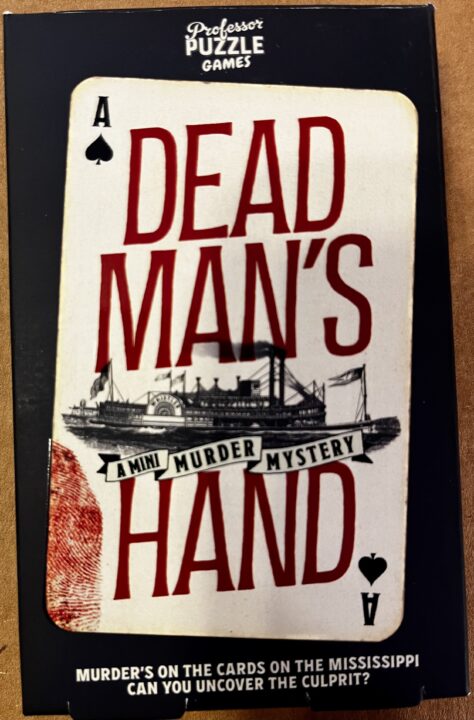

Howdy partners! Today I’m wrangling up a review that will make you want to slap on a cowboy hat and shout “Yeehaw!” — but don’t worry, I promise to keep the tumbleweeds and bad Clint Eastwood impressions to a minimum. After many rowdy sessions around my kitchen table, it’s time to spill the beans on this rootin’-tootin’ Wild West showdown. I’ve dealt, drawn, and probably cheated more than once (sorry, not sorry). From artwork that packs more punch than a six-shooter to rules that could outsmart a rattlesnake, I’m giving you the honest lowdown — the good, the bad, and the slightly frustrating. Saddle up as we mosey into my review of this Western brawl!
How It Plays
Setting up
Deal each player a hand of cards, set out the scenario boards if you use them, and give everyone their trusty six-shooter mini (not real, don’t panic). Pile the poker chips or markers in the middle, and check if everyone remembers the difference between spades and clubs (spoiler: Jim never does).
Gameplay
Players take turns playing cards, rolling dice, and yelling things like “Pardner, that’s MY saloon!” Each action lets you shoot, move, or try to outsmart your rivals. Some cards are pure gold. Some make you wish you stayed home to pet your cactus. You never quite trust your luck, but skill and sneaky moves win the day. There’s a lot of bluffing, a bit of pushing your luck, and a whole heap of fun—if you’re into friendly chaos.
Winning the game
The winner is the last player with figures on the board, or the one who finishes the scenario’s objective first. If you managed to survive without shooting yourself in the foot (literally or figuratively), congrats, you’re the new sheriff in town. Bragging rights come included, along with the right to make everyone else buy the next round of sarsaparilla.
Want to know more? Read our extensive strategy guide for Dead Man’s Hand.
Game Balance and Fairness in Dead Man’s Hand
Nothing ruins a game night quite like an unfair board game. My cousin Pete once flipped a table because of it. So, whenever I crack open a new box, balance and fairness are the first things I watch for. Dead Man’s Hand claims to be a game of bluffing and quick decisions, but does it really offer everyone at the table a shot at victory?
First off, let’s talk about the main mechanics. In Dead Man’s Hand, you’re playing poker-style hands, outsmarting opponents with some sneaky card play. The rules make sure everyone gets the same chances—no player gets a secret stash of better cards, and there aren’t hidden powers that make you secretly overpowered. This helps a lot with fairness. Plus, the game has a neat catch-up system: if you’re down, there’s still hope. It keeps things tense and stops one player from running away with an early lead.
That said, while I’ve never seen someone feel hopelessly behind, the game sometimes suffers if someone at the table is much more experienced. Strategic know-how can tip the scales, and a total newbie might get steamrolled. Still, for groups who play together regularly, skills even out over time. And thankfully, there are no cards so powerful that they break the game. Dead Man’s Hand mostly avoids those wild swings and feels carefully designed to be fun for everyone—unless you’re Pete, who still can’t believe I bluffed him with a pair of twos.
Now, if you think fairness is the full story, wait until you hear what I have to say about luck versus skill—it’s about to get spicy.
Luck vs Skill: Will Lady Luck or Clever Tactics Win?
Alright, let’s talk about the biggest cause of flipped tables in my house: luck versus skill in Dead Man’s Hand. If you’ve ever felt the universe personally hates you after pulling the worst possible card, then you know luck can be a cruel sheriff in this game. BUT—it’s not all about lucky draws. Trust me, I learned the hard way when my friend Tim kept beating me just by actually thinking through his moves. (I suspect he also read the rules, unlike me.)
In Dead Man’s Hand, you get to plan and outsmart your friends, which feels really great. But every now and then, luck will grab you by the collar and throw your plans out the saloon window. There’s a sweet spot here—a blend where you need both quick wits and a bit of horseshoe-up-your-sleeve luck. If you like games where skill always wins, you might get a tad grumpy after a few rounds. I lost a tight game because my “ace in the hole” actually turned out to be a useless two. Still, clever players will win more often than they lose, so that keeps things feeling fair—no stinky old “roll and hope” here.
Now, don’t saddle up just yet! Next, we’re moseying over to my favorite part: the art and theme. Strap on your spurs, this board game’s ready for its close up.
Theme and Art: The Wild West Never Looked So Good
Dead Man’s Hand oozes Wild West vibes from every corner of the box. You don’t even need to wear a cowboy hat (but I still did) to get into the spirit. The artwork is straight out of a spaghetti western—just swap Clint Eastwood for my buddy Dave, who somehow thought chewing a toothpick would help his bluffing. Every card feels like a tiny movie scene, with gunfighters squinting, saloons glowing, and cards that look like they’ve been shuffled by a thousand outlaws.
Now, I’m a sucker for good art in board games. I once bought a game just because the box had a nice horse on it, and I don’t even like horses (long story). The folks behind Dead Man’s Hand didn’t just slap together some cowboy doodles—there’s real attention here. The color palette sets the mood without making everything brown. Even the rulebook looks like an old wanted poster, which is great if you like your instructions to double as décor.
The theme isn’t just window dressing, either. From the card names to the little details on each character’s outfit, you really feel like you’re sitting at a poker table in an 1800s saloon. My group actually started saying things like “This town ain’t big enough for the both of us” without a shred of irony. It’s immersive in the best way, and if you’re even a tiny bit into Westerns, you’ll feel right at home.
But can a game of shootouts and standoffs bring people together, or just start arguments about who’s the real sheriff? Next, I’ll wrangle up some thoughts on player interaction and engagement.
How Dead Man’s Hand Ropes In Players: Interaction and Engagement
Alright, let’s get to the rootin’-tootin’ truth: playing Dead Man’s Hand with my friends is as wild as a barroom brawl. This is not a sit-yawn-and-wait-your-turn kind of game. Every player has something to do, and trust me, everyone stays alert. When you’re not plotting your own move, you’re watching the others, because their choices can mess up your big plan faster than I can misdeal a deck.
The game shines brightest when folks are scheming and second guessing. We had one game where my friend handed me so many bluffs, I started giving him side-eye. (He did actually outsmart me, but in my defense, I thought he was out of cards. Never underestimate a poker face, I guess.)
Dead Man’s Hand grabs you by the spurs and throws you into the action. You’re interacting on almost every turn, either making alliances, breaking them with a grin, or just trying to stay standing. I’ve never seen a game get so much table talk going—one round, it got so loud, my neighbor asked if we were rehearsing for a western.
Now, the engagement stays high right to the end. Even if you’re way behind, there’s always a shot at turning things around with clever play (or fooling that one friend who never learns). There’s no player elimination, so nobody’s left watching from the sidelines.
So, do I recommend Dead Man’s Hand? Saddle up! It’s a rooty-tooty good time if you like your games loud, social, and a bit sneaky. Just keep your hat on, and your wits sharper than a cactus needle.
Conclusion
Alright folks, that’s my full review of Dead Man’s Hand. It’s got the Wild West charm, some nice art, and plenty of face-to-face action. Sure, luck throws a few punches that could knock your sheriff badge clean off, and sometimes it feels like Lady Luck plays more than you do. But if you like a rowdy, unpredictable card game with lots of player interaction, you’ll probably enjoy this one as much as my friends and I did. Just don’t expect deep strategy or perfect balance—Dead Man’s Hand is more about wild showdowns than chess matches. I rate it a solid 3 out of 5 stables, mostly for style and fun, with a few points lost for swingy luck. Thanks for sticking around to read my review. Now go shuffle up—and may your poker face stay strong!