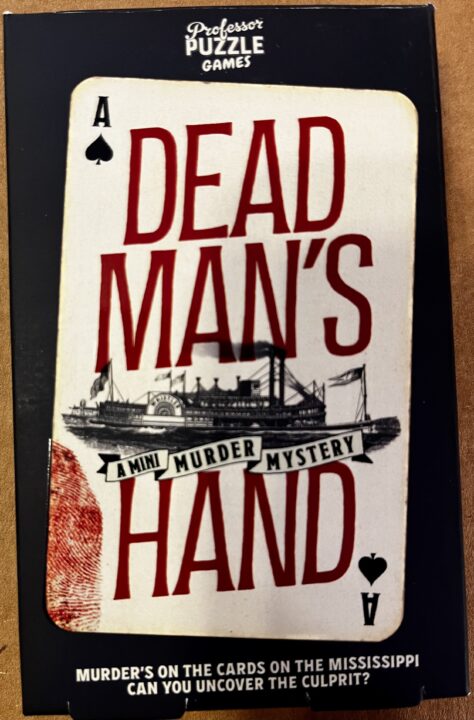

Howdy partners, it’s Jamie here and guess what? I’ve wrangled up my rowdiest friends and way too many snacks for a review of the wild west shoot-out game, Dead Man’s Hand. I’ve played this one with folks who can’t bluff to save their life and with people who’d sell their own mother for the win. In this review you’ll get the real story—how the game plays, whether luck or skill wins the day, if the pieces can survive an actual table flip, and yep, if it’s worth slapping your cash on the barrel for. Grab your hat, and let’s see if this old west card sling is a shot of whiskey or just watered-down sarsaparilla.
How It Plays
Setting up
First, everyone gets their own deck of western-themed cards. Shuffle ‘em good—nobody likes a sneaky cheater. Place the central play area cards in the middle like a saloon table. Deal out a starting hand to each player, and keep any special tokens nearby. That’s it! You’re ready faster than I can say ‘high noon’.
Gameplay
On your turn, play a card from your hand and follow what it says. You might duel another player, rob them (in the game, not for real), or try to bluff your way through a sticky spot. The actions swing between simple and spicy, just like my favorite chili. You draw back up to a full hand at the end of your turn. The game has a mix of fast choices and the occasional pause while someone plots revenge for getting called a yellow-bellied liar.
Winning the game
The first player to collect a set number of loot tokens or points (depending on your version) wins. It’s a race to outplay, outbluff, and outlast your friends, Wild West style. If you’re the last gunslinger standing, you’ve earned yourself some bragging rights—and maybe the last slice of pizza.
Want to know more? Read our extensive strategy guide for Dead Man’s Hand.
Dead Man’s Hand: Does the Game Flow Like Whiskey or Molasses?
Let me tell you, the first time I played Dead Man’s Hand, I felt like I’d wandered into an old-timey saloon, but instead of getting into a good honest shootout, I kept tripping over the piano player. Why? Because the gameplay flow and pacing are a real mixed bag. The turns can come thick and fast, especially once everyone gets the hang of the rules—but, and this is a big but, there are times when the action slows down to a painful crawl. I blame our group’s resident overthinker, Gary. He can turn “draw a card” into a 15-minute spiritual journey. But still, the game sometimes encourages this because of all the special abilities and reactions. Everyone’s busy checking their cards, squinting at abilities, and trying to remember if they’re the outlaw or the sheriff.
Don’t get me wrong, Dead Man’s Hand sets the mood better than a harmonica on a lonely prairie. When the game moves, it really moves. You make decisions, play your cards, start a gunfight, and boom—you’re feeling like the quickest draw in the West. And then, right when you’re ready for another shootout, someone spends ten minutes consulting their hand like it’s a cryptic crossword.
I will say, the game shines with the right group—if you all agree to not take things too seriously and keep the pace up, you’ll have a great time. If not… well, bring snacks. You might need them.
Next, holster your pistols and keep your wits sharp—we’re about to wrangle with Dead Man’s Hand’s tricky balance between luck and strategy.
Luck vs. Strategy: Can You Outsmart Dead Man’s Hand?
If you’ve ever played Dead Man’s Hand with my crew, you’ll know we’re an odd bunch. There’s always that one friend who swears he’s a card-counting genius, and then there’s me, hoping I actually read the rules correctly. So, let’s talk about where this game sits on the luck-to-strategy scale.
Dead Man’s Hand seems, at first, to give you lots of control. You can plan your moves, bluff, and pull off some sneaky plays. But here’s the twist: the game deals you a hand of cards—literally and figuratively—and sometimes those cards just hate you. There were rounds where I had a perfect plan, but the cards said, “Jamie, not today.” It’s like poker: you might be smart, but you’re still at the mercy of the deck.
Is that a bad thing? Well, it depends. If you want a brain-melting, strategy-only battle, Dead Man’s Hand isn’t going to scratch that itch. There’s a solid mix of smart choices and ‘please don’t draw a joker’ moments. I’d say there’s about a 60/40 split in favor of luck. This means players who love the chaos of chance will have a blast, while hardcore tacticians may call it unfair.
Don’t get me wrong, I enjoyed the tension each round brought, but I’d have loved a bit more control over my fate. If your group hates losing due to a bad draw, you might want to shuffle to something else. Next up, let’s open the box, squint at the pretty pieces, and talk about component quality and artwork—don’t worry, I promise not to rate any doodles I made on the score sheet!
Dead Man’s Hand: A Closer Look at Components and Artwork
I’ve played a lot of board games where the box looks like it’s been through the Wild West before you even open it. Thankfully, Dead Man’s Hand doesn’t fall into that trap. The box itself is solid—no flimsy cardboard here. It survived my dog sitting on it, which is more than I can say for some other games on my shelf.
The cards are sturdy. I shuffled these things like I was in a real saloon, and not a single bent corner. And let’s talk about the actual art. The illustrations drip with western flair—think showdowns at high noon, steely-eyed outlaws, and mustaches you can almost smell. Every character looks like they’re seconds away from throwing down. The cards pop with color, which is good, because my friend Todd always spills his soda and I need to make sure nothing’s ruined. So far, so good!
One minor gripe: the wooden tokens. While I like the weight and feel, they’re all the same bland brown. If you’re colorblind, or just playing in poor light after a few root beers, you might mix them up. Not the end of the world, but a couple of brighter colors wouldn’t hurt. At least there aren’t any piles of plastic that end up under the couch, so my cat is disappointed but I’m not.
If you’re the type who judges a board game by its cover or can’t stand cheap-feeling pieces, Dead Man’s Hand won’t disappoint. But what about playing again and again, especially with new faces around the table? Saddle up, because that’s coming next!
Does Dead Man’s Hand Stay Fun After a Few Rounds? Replay Value With the Gang
I’ll be honest: the first time my friends and I played Dead Man’s Hand, we were all howling at the table after someone tried to slyly pass off a “dead man’s bluff” and got called out. The game plays quick and that’s a big plus for replay value—but let’s talk turkey: does it actually stay fresh after a few rounds with different groups?
Here’s the deal. Dead Man’s Hand really shines if you love bluffing and calling your buddies’ wild poker faces. Every group brings a new set of tells, lies, and “I swear I’m not lying!” moments. My friend Jess, for example, is absolutely terrible at bluffing, but watching her try every time was half the fun. With new folks, you discover new strategies—or new ways to lose your chips fast.
But I will say, after about four or five games in a row, my group started catching onto each other’s habits. The jokes were still flying, but the game’s core didn’t change much. If you play with a big variety of people, or spaced out between game nights, Dead Man’s Hand keeps bringing the fun. With the same crew and back-to-back plays, you might want to swap it out for something else before someone tries to use their actual poker skills (yes, Steve, I’m looking at you).
So, do I recommend Dead Man’s Hand? Yup, if you love bluffing, like a quick game, and play with different folks now and then. For a party opener or a closer, it’s aces in my book.
Conclusion
Well, partner, that wraps up my rootin’-tootin’ review of Dead Man’s Hand. I had a blast throwing down cards and smack talk with my friends, and the game always kept us on our toes – or, occasionally, throwing our hats in the air when luck got in the way. The artwork and components really set the wild west mood, and it’s a hoot to show new folks how it’s done. Still, if you’re after a game where brains win over lucky draws, you might wanna keep your boots on. It’s a good time in short bursts, but can get a bit samey if you play too often with the same gang. In the end, I’d say Dead Man’s Hand is a solid ride for a night of quick fun, but not quite a classic for those chasing deep strategy. Yeehaw!