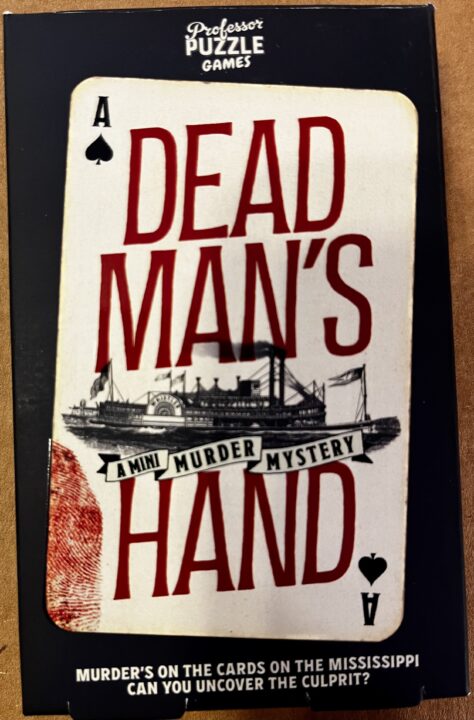

Howdy partner! If you like your card games with a little bit of grit, some cheeky bluffing, and the occasional need to stare your best friend down across the table, you’re in the right place. This is my review of Dead Man’s Hand. I wrangled up my usual posse for a few wild showdowns, and now I’m ready to spill the beans (and maybe a few secrets) on how the game actually plays. Is it a straight shooter, or does luck decide your fate? Grab your hat – let’s settle in for an honest look at Dead Man’s Hand.
How It Plays
Setting Up
First, give each player their set of cards. Place the deck in the middle like it’s a tiny graveyard. Hand out chips or coins for betting. If you want to wear a cowboy hat, now’s your chance.
Gameplay
On your turn, you’ll play a card from your hand or draw one from the deck. Cards have special actions—some let you shoot, some let you dodge, and some just cause mayhem (like my little cousin after three sodas). You try to outbluff and outplay the others. Careful, though—one bad play and you could be out faster than a tumbleweed in a tornado.
Winning the Game
You win by being the last gunslinger standing. If you’re the only one not shot, you take the loot and the glory! Or, if a set number of rounds finish, whoever has the most chips wins. Either way, bragging rights are included.
Want to know more? Read our extensive strategy guide for Dead Man’s Hand.
How Dead Man’s Hand Keeps Players on Their Toes: Gameplay Flow and Interaction
Alright, so let’s talk about what you’re really here for: the sweet, sweet chaos of playing Dead Man’s Hand. The game kicks off quick, getting everyone around the table into the swing of things faster than you can shout “Draw!” You don’t waste half an hour reading rules or sorting tiny pieces. My weekly gaming group, including my cousin Bob (who has the patience of a caffeinated squirrel), appreciated that we could get moving right away. No staring at rulebooks, just shuffling, dealing, and plotting who to double-cross first.
Now, here’s where Dead Man’s Hand stands out: player interaction is top notch. You’re not just playing cards into a void. Every move gets a reaction. I spent most of my first play grinning at the table as my friends tried to guess my next move, and then losing that grin when they ganged up on me. Bluffing and reading folks are key, making this game feel like poker with a bunch of wild west shenanigans. Forget sitting quietly over your hand—Dead Man’s Hand demands conversation, negotiation, and dramatic outbursts (my neighbor actually tried a Clint Eastwood impression—and no, it wasn’t good).
The turn structure also keeps the game moving. You act, the next player acts, and so on, with hardly any downtime. This keeps everyone invested, or at least scheming in silence, which is probably more dangerous. If you hate games where you wait forever for your turn, you’ll be happy here. But be warned: if you make a big move, you’ll hear about it for weeks.
Next up, I’ll wrangle with the biggest showdown in Dead Man’s Hand: does luck or strategy win the day? Get your poker face ready.
Luck vs. Strategy: Who Holds the Winning Cards in Dead Man’s Hand?
If you ask my buddy Tom, he’ll tell you Dead Man’s Hand is just about having the hottest dice in the saloon. But I know better (mostly because Tom accuses the dog of cheating when he loses). Luck plays a part here, sure. The random draw of cards, and the unpredictable moves from opponents, will sometimes leave you cursing your fate. Sometimes, all your clever plotting ends with you holding a hand that’d make even a tumbleweed laugh at you.
But don’t let the Lady Luck theme fool you. Strategy in Dead Man’s Hand? Oh, it’s present. With every action, you weigh your choices. Should you take a risky shot, or play it cool and set up for a later round? You need to predict what your friends will do, try to out-bluff them, and sometimes just pray they don’t see your not-so-secret plan. The game rewards smart positioning, reading the table, and knowing when to go loud or keep your head down. When I tried to be too sneaky, I ended up shot in the back—by my own mother. True story.
Still, luck can swing the game now and then. The best laid plans sometimes get derailed by a disastrous draw, or a weird run of cards in your favor. If you hate randomness, you might grumble a bit. For me, it’s just enough luck to keep everyone guessing and the game lively, but not so much that you want to flip the table—unless you’re Tom after three bad hands.
If you’re itching to know what you get in the box and how it looks on the table (spoiler: it does NOT smell like whiskey), let’s mosey on to the next section: Component quality and theme!
Dead Man’s Hand: A Wild West Feast for the Eyes?
I have seen my fair share of cardboard cowboys and plastic pistols, but Dead Man’s Hand stands out in the dustiest of ways. The first thing you notice is the art. This is not your typical boring poker night! The cards ooze with Western flair—think every spaghetti western you ever watched on a Sunday afternoon when you should have been mowing the lawn. Each card is full of bold characters: grim-faced bandits, sharp-eyed sheriffs, and the occasional grizzled prospector who looks suspiciously like my Uncle Bob after three cups of strong coffee.
The card stock itself feels sturdy. I have clumsy friends (looking at you, Gary), and so far, the cards have survived outlaw-level shuffling and even a tragic salsa spill. The tokens bring a heap of tactile joy. Plastic, yes, but chunky and easy to grab, almost like tiny gold nuggets. The rulebook is clear, too, with more illustrations than my old math homework. Even the box insert does its job. I’m not saying it will change your life, but at least you won’t spend ages fishing for lost cards like some desert prospector.
The Western theme really comes alive as you play, too. The artwork, tokens, and little setting touches pull you into the dusty action, and my group found ourselves throwing out cowboy quips way too often. Next, let’s wrangle up some thoughts on replayability—trust me, my game night crew put this through more reruns than an old Clint Eastwood movie!
How Many Duels Can You Stand? Replayability with Different Groups
If you ask me, replayability can make or break a board game. Nothing stings more than dropping cash on a game that gathers dust after one night. So, does Dead Man’s Hand end up in the “one-and-done” pile? Not on my shelf!
I played Dead Man’s Hand with three very different groups. First, my usual gang of bluffers and grudge-holders. Games got loud and competitive. We finished one round, and everyone wanted another go just to settle scores. I took a shot at being the town’s sneakiest outlaw—and failed, but the group kept laughing about my obvious tells for ages.
Next, I tried it with my family. Normally, they get bored of games unless there’s a twist. Well, thanks to the quick rounds and chances for everyone to jump in and out, even my uncle (who still thinks UNO is witchcraft) was dealing cards and trying to outsmart the rest of us.
My third group was my workmates who hate games that drag out. Turns out, Dead Man’s Hand worked for them too. We sneaked in two games during lunch and no one wanted to go back to spreadsheets. That’s a win in my books.
While I wish it had a tiny bit more variety in some card effects, the fast games and different group experience make it a strong pick for my collection. If you have a group that likes quick, punchy games with plenty of face-offs, I definitely recommend Dead Man’s Hand. Yeehaw, partner!
Conclusion
Well, partner, that wraps up my review of Dead Man’s Hand. The game sure shoots straight with its fast play, tense bluffing, and rowdy player interaction. I loved the Wild West art and solid, easy-to-shuffle cards, even if my poker face needs work. It’s got enough strategy to keep things interesting but just enough luck to make every round a surprise. I do wish the outcomes leaned a bit more on skill than the luck of the draw, but that’s a minor gripe when the shootouts are this lively. Dead Man’s Hand works best with friends who can take a joke and won’t flip the table if they draw a bad hand. If you like quick, social games with a dash of cowboy chaos, this one’s a yeehaw from me. So grab your hat, and may the best outlaw win!