
Alright folks, gather ’round the table—today I’m sharing my take on a true classic. Yes, this is my review of cribbage, the card game that’s been sparking friendly trash talk and broken peg boards since well before my grandma was born. I grabbed my usual crew, shuffled up the deck, and put more hours into this game than I care to admit (my cat is now a bitter expert kibitzer). I’ll break down everything from rules to replay value, so you’ll know whether you should hunt for a cribbage board or just raid your sock drawer for a deck of cards. Spoiler: I didn’t have to fake any arguments for this review—they happened all on their own!
How It Plays
Setting up
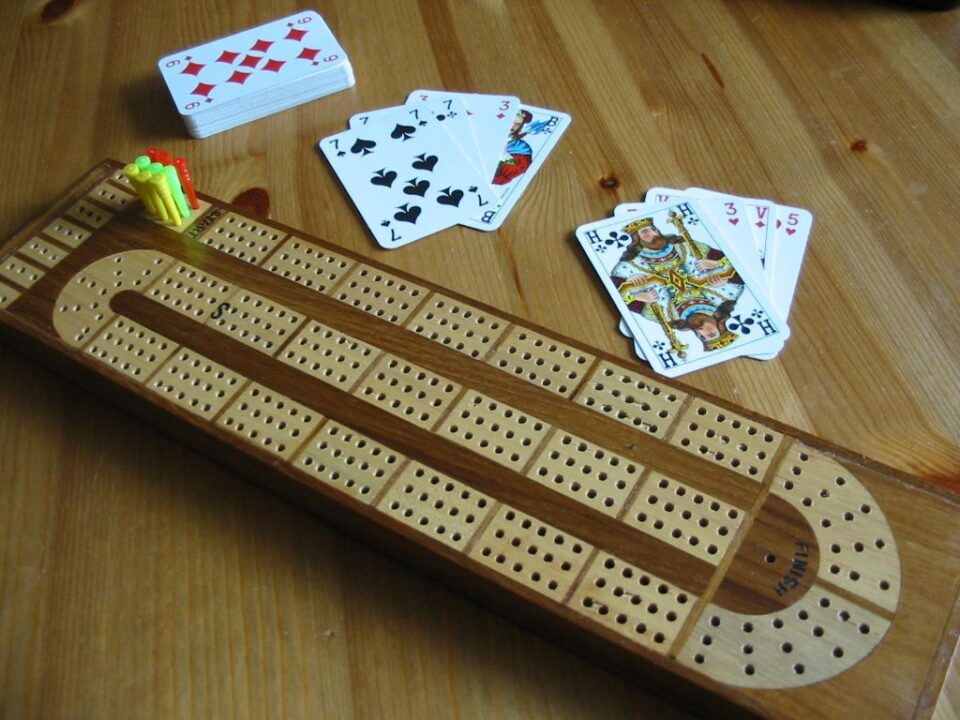
You need a cribbage board, a deck of cards (no jokers!), and two to four players. Each player grabs two pegs in their favorite color and puts them at the start of the board. Deal each player six cards if two play, or five if there are three or four players. (Pro tip: Don’t let your cat sit on the board. Trust me, the pegs won’t survive.)
Gameplay
Players pick two cards to toss into the ‘crib’ (a sort of bonus hand). Take turns playing cards face up, adding up counts to 31 or less. You yell out the total as you go. Score points for making 15, pairs, runs, or having the same card three turns in a row. When no one can play without busting 31, reset and keep going until all cards are played. Then, everyone scores their hand—including the crib.
Winning the game
Peg your points as you score. First player to reach the end of the board (121 points) wins! So, play smart, count quick, and maybe pray for a good cut, because luck likes to throw in a curveball.
Want to know more? Read our extensive strategy guide for Cribbage.
How to Play Cribbage Without Losing Your Mind (or Your Friends)
Alright, let’s break down the rules of cribbage for folks who didn’t grow up with a 120-hole wooden board on their coffee table. First, cribbage is played with a standard deck of 52 cards and usually two players (though you can play with more, if you want a real test of patience). Each player gets six cards. You look at your hand, silently question your luck, and then toss two of your cards into something called “the crib.” This crib is like a bonus hand that will score points for the dealer later—yes, it feels unfair, but stick with me.
Now, the game splits into two parts. First, there’s the “play” phase. You and your buddy take turns laying down cards and adding the values up to 31. You score points during this phase if you hit certain totals (like 15 or 31), make pairs, triples, or runs. Be on the lookout, because there’s always that one friend who will pretend they don’t know how to count to 15, but suddenly rack up points with suspicious speed.
Then, after all the cards are played, you count up points for the hands. You add for combos like 15s, pairs, runs, flushes, or even a jack that matches the cut card (that’s “nobs”—don’t ask me who named it). Oh, and don’t forget to score the crib if you’re the dealer. First to reach 121 points wins—and gets bragging rights until someone demands a rematch.
I’ll admit, cribbage rules are a bit like my uncle’s fishing stories: they sound simple until you get into the details. Next up, I’ll share if the real winner here is skill or just dumb luck—you might want to grab your lucky socks for this one!
Skill vs. Luck: The Great Cribbage Debate
If you’ve played cribbage with my Uncle Joe, you know the game can make you feel like either Einstein or someone who just tripped over their shoes. That’s because cribbage is this weird, charming mix of skill and luck—and boy, does that get spicy during game night.
Let’s start with skill. You can study cribbage strategy guides until your eyes cross. You’ll learn to toss the right cards to the crib, peg like a champion, and try to set sneaky traps for your friends. A seasoned player knows every way around ‘fifteen for two’. But then, luck comes barreling in the door, wearing loud pajamas. No matter how clever you are, the hands you’re dealt can be glorious or just mean. I once got a crib that was so bad I considered calling a priest. But then the very next hand—bam!—double run!
Cribbage rewards careful thinking. There’s math, memory, and reading your opponent—but sometimes, no amount of skill saves you from a shocking starter card. Still, I’ve noticed that the more you play, the more you tip the scales in your favor. The luck evens out over time, but you can’t ever fully escape it. If you hate games where a lucky streak can destroy your perfect plan… cribbage might make you yell at the cat.
Next up, I’ll spill the beans on how cribbage stacks up when two, three, or four folks join the chaos—because nothing says fun like making your friends question their life choices.
Cribbage: How Many People Make the Most Fun?
So, let me tell you, cribbage can be as cozy as a mug of hot chocolate for two, or a wild family throwdown with three or four. Playing with two people is the classic. It’s fast, intense, and perfect for trash talk (friendly, of course). Me and my friend Jim have a running tally and bragging rights at stake every time. It’s like chess, but with more shouting and fewer lost pieces under the couch.
Now, add a third player and things get spicy. You get more table talk, more side-eye, and a bit more waiting. The pacing isn’t as snappy, and you have to share the spotlight. But hey, you also get more chances to pull off hilarious comebacks. Just watch out for alliances. I once teamed up with my friend Sue against Dave. It backfired. He’s still salty and won’t let me forget it.
Four players? That’s a party! You play in teams of two. This is where cribbage shines if you want laughs and teamwork. My cousin and I barely agreed on what to order for pizza, but when we teamed up for cribbage? We were unstoppable…well, until we lost. The game slows down a bit with four, but the laughs and drama are worth it. There are fewer chances for one person to dominate every round—unless grandma is playing. Then all bets are off.
Next up: let’s talk about how much you’ll actually enjoy touching those cards and pegs—yep, we’re rating the game components soon. Stay tuned!
Is Your Cribbage Board a Work of Art or a Wobbly Disaster?
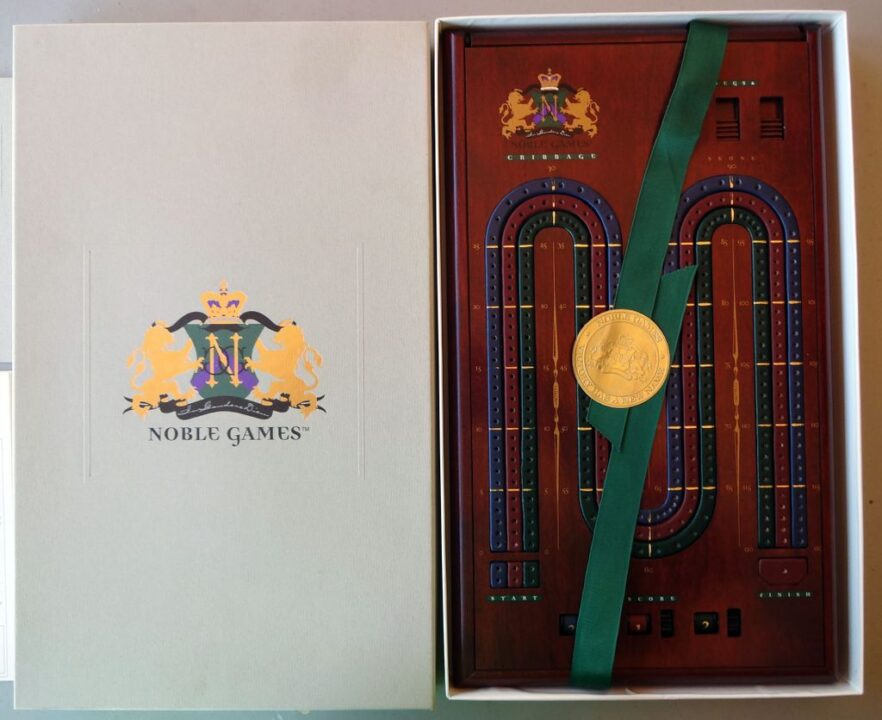
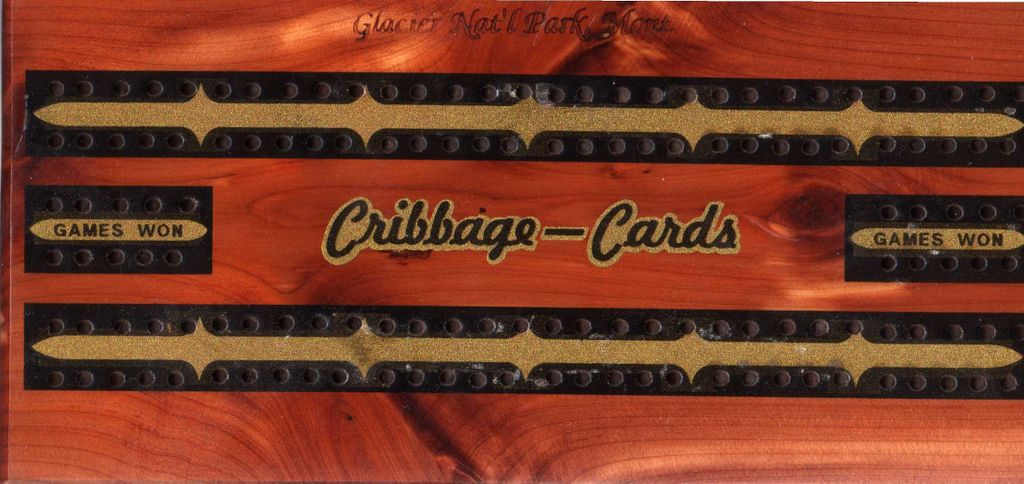
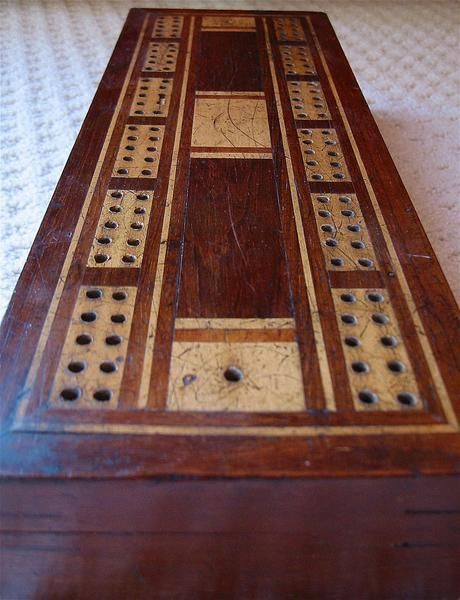
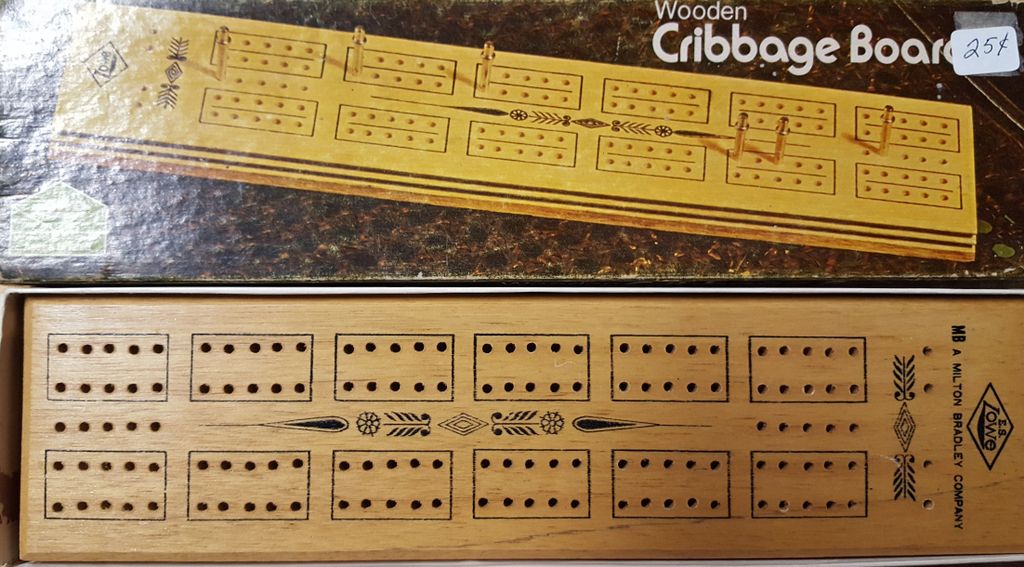
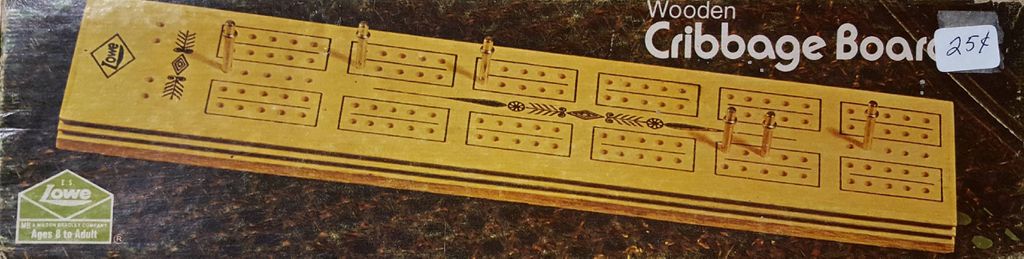
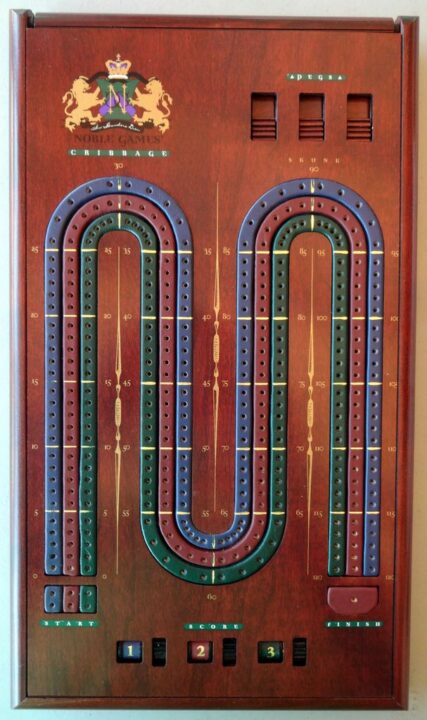
Let’s talk about the real hero (or villain) of cribbage: those iconic boards. If you haven’t seen one, picture a chunky wooden plank full of tiny holes, looking like it lost a fight with a very enthusiastic woodpecker. And if you ask me, the satisfaction of moving pegs along those tracks is half the addict—er, addictiveness—of the game. There’s something about hearing that little click as your peg jumps ahead. Maybe that’s just me though. My friend Jen insists it’s the best part, but I suspect she’s just in it for the victory lap.
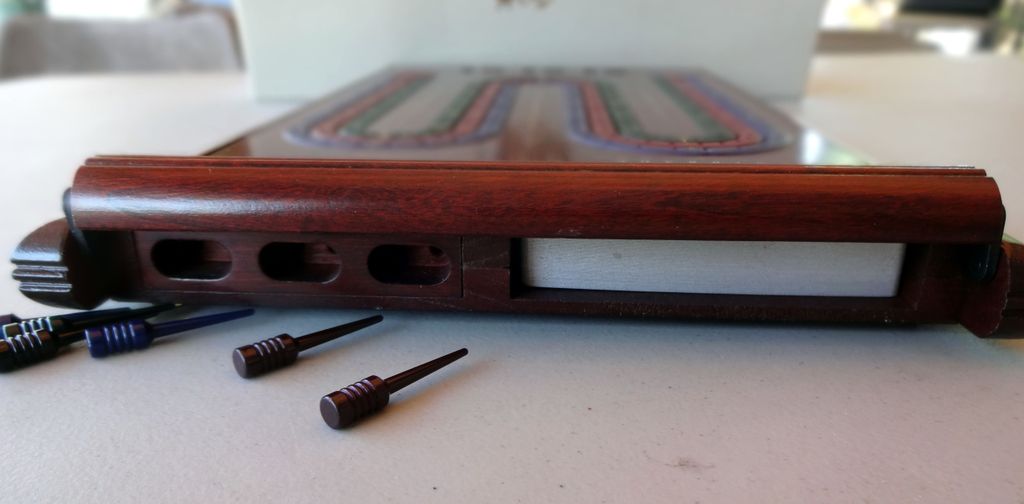
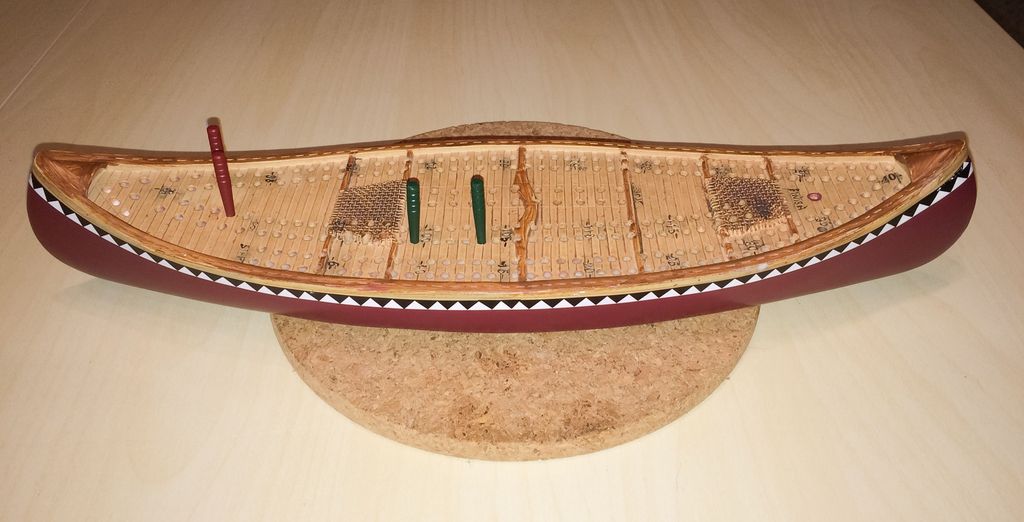
I’ve played cribbage on boards made of walnut, boards shaped like fish, even a cheap plastic one that gave up halfway and bowed in the middle. Pro tip: Don’t set your beer on a cardboard board unless you enjoy soggy regrets. The pegs matter too. Metal pegs feel classy and have a nice weight, but lose one and you’ll be crawling on your hands and knees for hours. The classic wooden pegs? Perfect, unless you have a cat. Then good luck.
Cards are another story. Some cribbage sets come with tiny cards that make me feel like I’ve grown Hulk hands overnight. I always end up swapping them for normal sized cards, unless it’s a travel set and space is tight (which is the only time I’ll forgive miniature cards). Rulebooks are sometimes a mess, but at least you can always look up cribbage basics online if you get lost in the rules sauce.
Do I recommend cribbage? Absolutely—with one hand on my peg and the other hiding my nice deck from clumsy friends. This game earns its place on my shelf, warts and all!
Conclusion
So, that’s the end of my cribbage adventure! After way too many rounds, snacks, and at least one heated peg-based argument, I can say cribbage is a blast if you enjoy games with a pinch of luck and a dash of skill. The board and pegs have a weird old-school charm, and nothing beats the feeling of sneaking a 15 for two right under your friend’s nose. Sure, luck can swing the game, and some house rules might save friendships, but I keep coming back for more. If you want a classic that’s quick to learn, hard to master, and perfect for two or four people, cribbage has a spot on your shelf. Unless you hate luck. Or pegs. In that case, maybe try chess. Thanks for sticking with my review—good luck pegging out!