
Welcome to my review of the two player chess game! If you’ve ever wanted to feel like a genius, argue about horses moving in L-shapes, or claim your losses are due to a squeaky rook, then you’re in the right place. My friends and I have played a ton of matches and probably ruined a friendship or two debating opening theory. So, before you shell out for that fancy board or slap together a checkerboard paper version, let’s see if this classic game is worth your time (and sanity).
How It Plays
Setting up
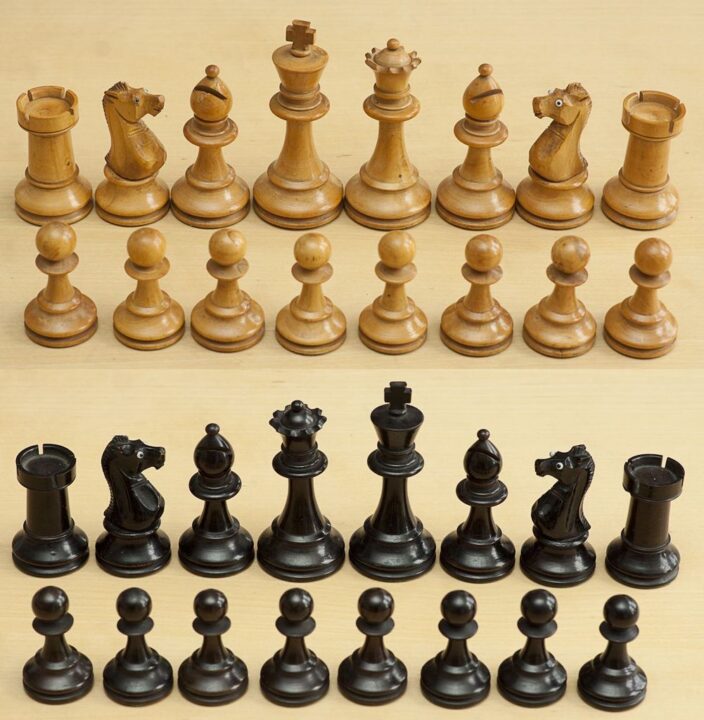
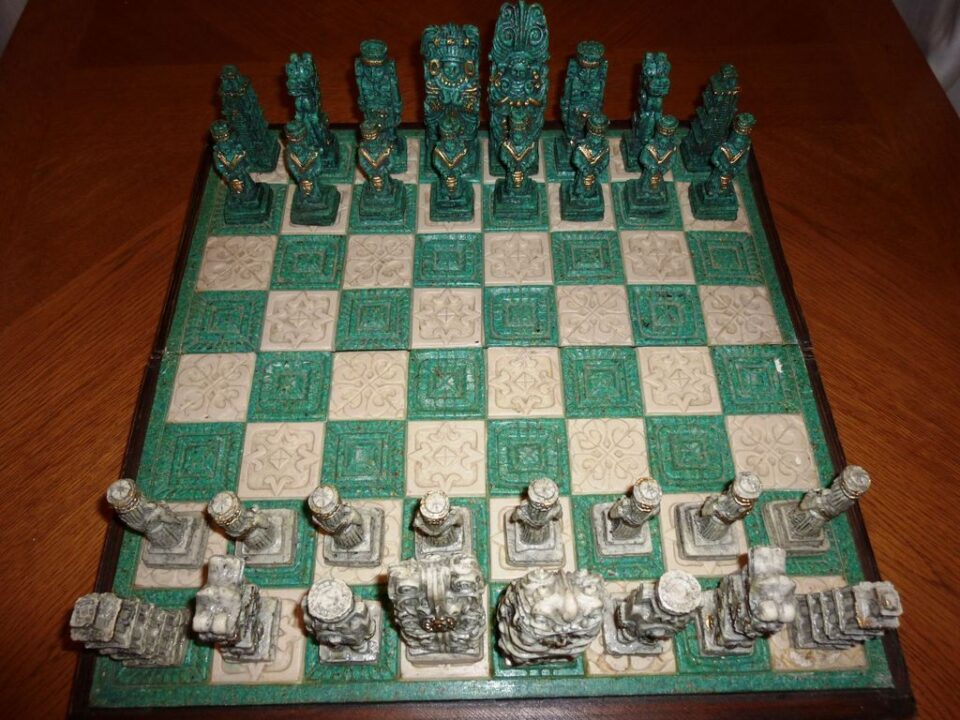
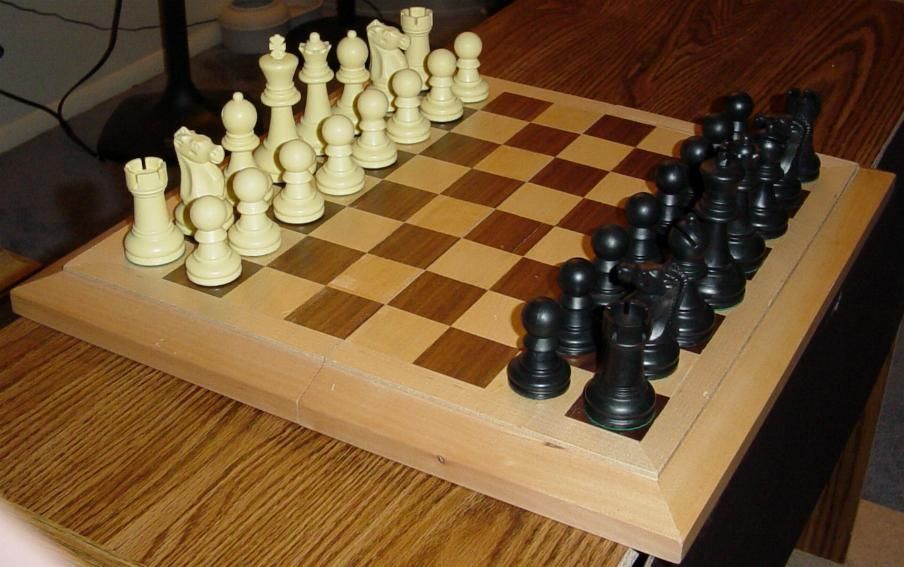
Put the board between you and a friend. Set up your pieces: rooks in the corners, knights next to them, then bishops, then the king and queen. Pawns go in front. Remember: white queen on a white square, black queen on a black square. If you mess this up, someone will point it out—usually loudly.
Gameplay
White goes first. You each take turns moving one piece at a time. Each piece has its own way to move, so try not to send your bishop in an L-shape, or you’ll look silly. Try to capture your opponent’s pieces, protect your king, and maybe even look smart while you do it. Watch out for sneaky moves and don’t forget: No cheating by moving two pieces at once!
Winning the game
The goal: trap your opponent’s king in checkmate, so they have nowhere to run. You win if your friend can’t save their king, and you both pretend you knew what you were doing the whole time. If there’s a stalemate, or just too much coffee, you might end up with a draw. At least you’ll have bragging rights for next time!
Want to know more? Read our extensive strategy guide for Chess.
Is Chess the King of Balanced Board Games?
Let’s talk about game balance and fairness, because if your board game group is anything like mine, nothing starts a louder debate. Some games tip the scale with wild luck swings or game-breaking strategies. But two player chess game? Now, that’s a title that wears its crown of fairness proudly.
After countless games where my friend Sam insists that ‘white has a slight advantage,’ I had to see for myself. Sure, white moves first. But in hundreds of matches, most victories happened because we blundered, not because the game’s rigged. Chess makes you feel like every loss is your fault—no blaming the dice or the cardboard tiles. When I lose (which is often), it stings, but at least I know I wasn’t robbed by bad luck.
Fairness is baked into the rules. Each player gets the same pieces, same board, same chance. If you make a plan and mess up, that’s on you and the chips in your head, not some random event. You can spend years tinkering your approach, but the truth is—it’s always skills meeting skills. There’s just no sneaky shortcut to success, except for the occasional pawn promotion that you totally deserve (if you get there).
In short, two player chess game stands out for pure balance. If you want to settle who’s best, this is the arena. But balance can also mean it’s not very forgiving for newbies. Speaking of which, grab your magnifying glass—I’ll be crawling through the jungles of chess’s learning curve and accessibility next!
Learning Curve and Accessibility in Two Player Chess Game
Alright, let’s talk about the learning curve of two player chess game. If you’re like me, at your first game, you’ll feel like you’ve been dropped into a boardroom meeting where everyone speaks in code. My first chess match, I moved my knight like a checkers piece and called it a ‘nimble horsey.’ My opponent just looked at me and sighed. The point is: there’s a learning curve.
But here’s the good news—chess is actually pretty easy to start. The rules are simple. Each piece has its own way to move, and once you figure out the difference between your bishops and your rooks, you’re halfway there. My tip? Don’t be afraid to ask the internet for help. There are loads of tutorials and videos for beginners. No shame in a little online help, trust me, I still have ‘em bookmarked.
Now, accessibility. Two player chess game is on every shelf and every phone. Wooden set, magnetic travel board, or some fancy glass pieces you pretend to not spill coffee on—they all work the same. Plus, chess is everywhere online, so you can play anyone, anywhere. Anyone can play, whether you’re nine or ninety, rich or broke, or have butterfingers that knock the pieces off the table like me.
I will caution though: just because it’s easy to play doesn’t mean it’s easy to win. If you want to get good, you’ll need to practice. But that’s a story for our next part: why the replay value and game depth of chess will keep you coming back for more checkmates than you care to admit!
Replay Value and Depth in Two Player Chess Game
I’ve played the two player chess game so many times, I think my brain’s developed its own opening gambit called “wait, what was my plan again?” The replay value for chess is through the roof. I mean, you could play one hundred games and never have the same match twice. That’s not just marketing hype, it’s the truth. After each game with my buddies, we all claim we could’ve won if we’d just done that one thing differently. Spoiler: most of the time, we’re wrong, but hope springs eternal.
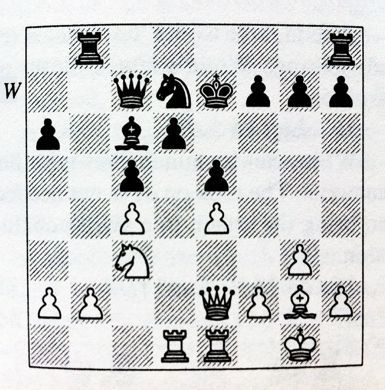
The depth in chess is enough to make your head spin. Every piece has its own moves, every move opens up more possible moves, and even a little pawn can become a queen if you get sneaky enough. I love how the two player chess game rewards planning and thinking several turns ahead. There’s always a new strategy to try, and there’s nowhere to hide—if you mess up, it’s on you. It’s not just about memorizing a bunch of moves, either. It’s noticing patterns, tricking your opponent, and sometimes bluffing them into making a mistake. And let’s never forget those endgames where one wrong step means disaster—my heart rate can go from resting to ‘sprinting from a bear’ in two minutes!
Honestly, the replay value and depth put two player chess game in a league of its own. You’ll never “finish” this game, you just keep getting better… or, in my case, more creative with my excuses for losing. Next up, let’s get our hands on the pieces and talk about component quality and board design—spoiler alert: yes, I once knocked over the king with a sneeze.
Component Quality and Board Design in Two Player Chess Game
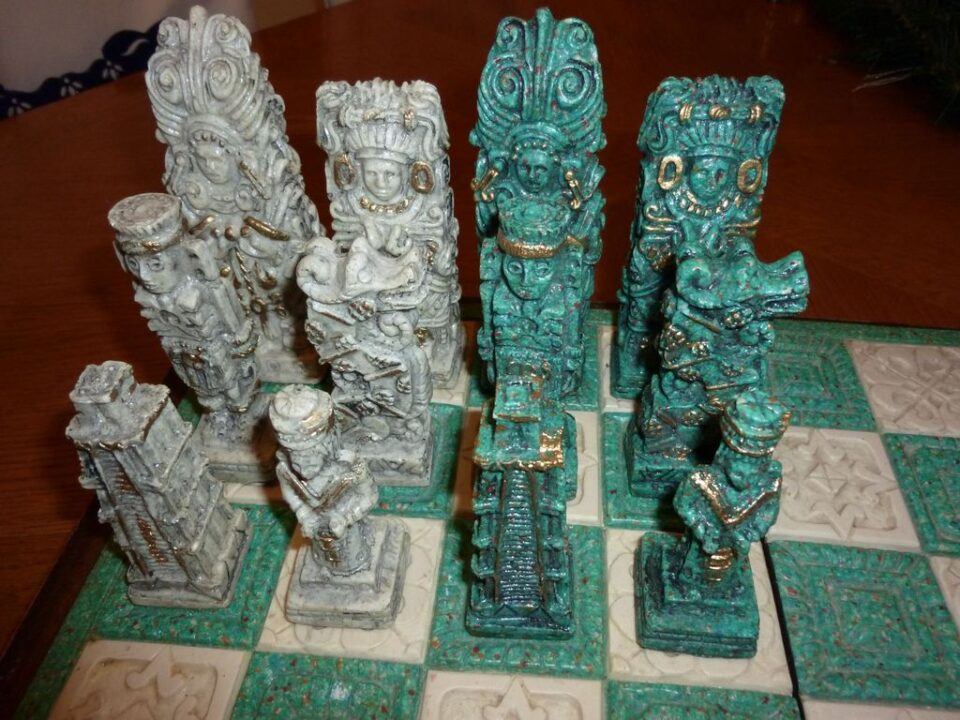
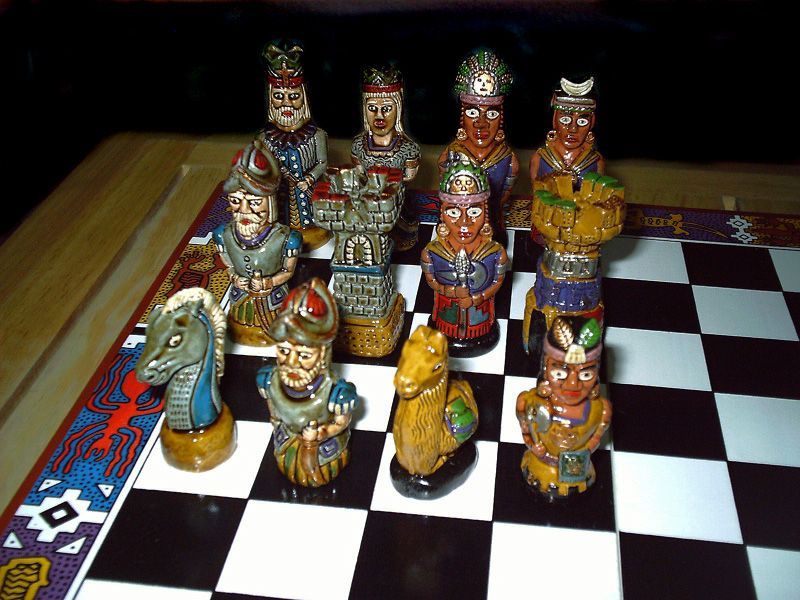
Chess has had more makeovers than Madonna. I’ve played two player chess games from dollar stores, fancy boutiques, and even those travel sets where the pieces run away if you look at them funny. No matter where you buy it, the two player chess game really lives or dies by the board and pieces. The best ones feel solid. The worst ones make you wish you had just drawn a grid on a napkin.
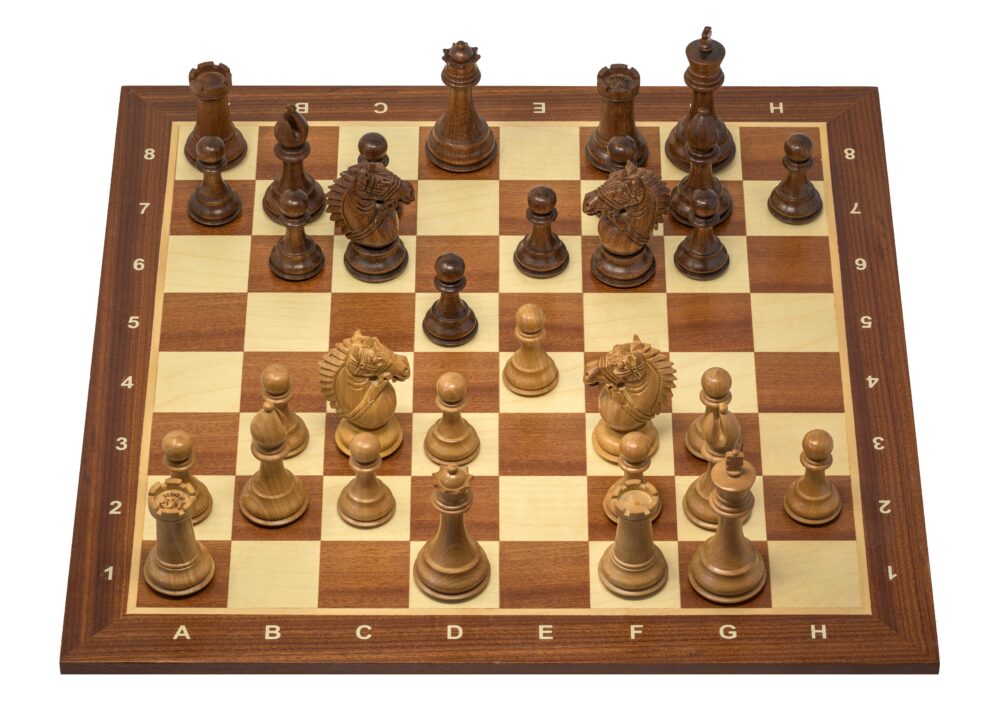
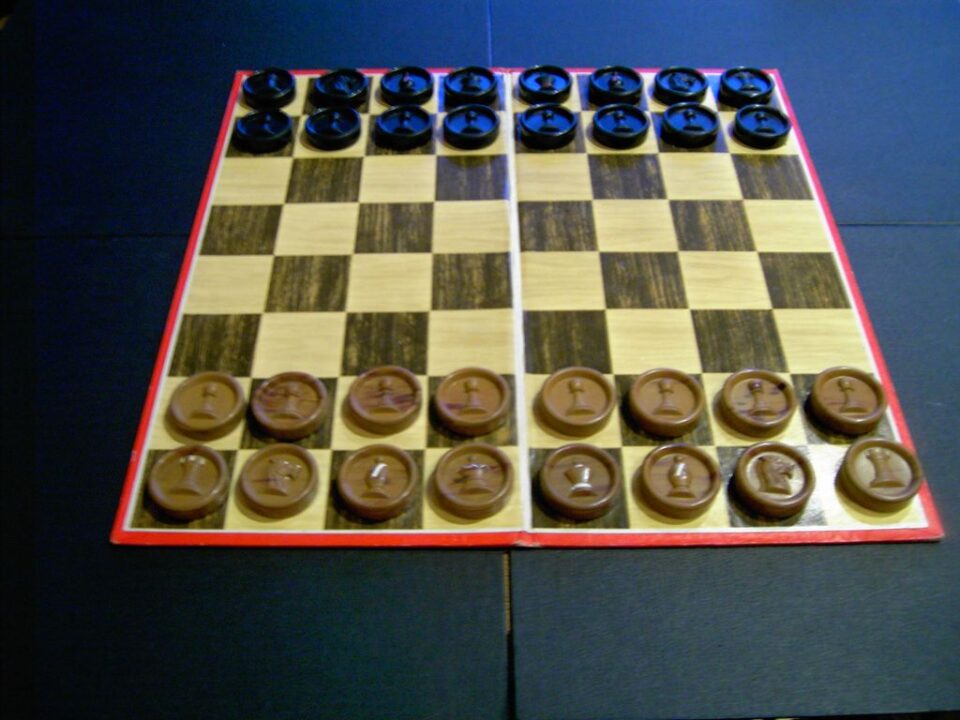
Let’s start with the board. A good chess board lays flat, no matter what you throw at it (within reason—don’t challenge me with spaghetti sauce). Some boards are foldable, which is handy for dinner tables, but sometimes the crease never flattens, making your bishops look like they’re scaling a hill. Wood boards have that classic feel (and smell, if you’re weird like me and sniff boards). Cardboard ones are light but bendy. Then you’ve got glass and marble boards. They look classy, but they break if you sneeze on them. Once, my friend Tim dropped a marble rook on a marble board. It was an expensive lesson in gravity.
Now, chess pieces. If they’re too light, expect wind to be your third player. Plastic is common and practical, but nothing beats chunky wooden pieces for feel. I once played with a set where the pawns were smaller than my fingernail—great for travel, not for sausage fingers.
So, is the two player chess game worth it? Absolutely. Just make sure you get a decent set. Skip the ones that feel like board game cereal prizes. Unless you like a little chaos, then hey, live your truth!
Conclusion
Alright folks, that wraps up my review of the classic two player chess game! It’s fair, full of strategy, and never gets old—unless you play with someone who takes 30 minutes per move. The pieces and board can be fancy or basic, so pick one that doesn’t fall apart after a match or two. Sure, it’s got a steep learning curve if you want to be a grandmaster, but everyone can enjoy a match no matter their skill. All in all, I still recommend chess as the perfect test of wits and patience. Just remember, luck won’t save you here—so sharpen your brain and have fun!