
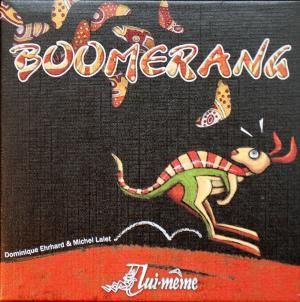
This review looks at a quick card game that mixes sharp choices, sneaky scoring, and just enough luck to keep everyone guessing. Still, the game can punish a bad draw, and larger groups may lose some of the neat player reads. So, grab your cards, glare at your mates, and let’s see if Boomerang earns a place on your shelf.
How It Plays
Setting up
Give each player a score sheet and shuffle the cards. Deal seven cards to everyone. You are now ready to travel, collect things, and pretend your holiday budget is under control.
Gameplay
Each round, choose one card from your hand and place it face down. Pass the rest of your hand to the next player. Keep choosing and passing until everyone has seven cards. Your first card acts as your boomerang, while the cards you collect help you complete sets, earn points, and tick off activities.
After the final card, reveal your boomerang card and check the difference between its value and your last card. That score rewards clever timing. Then score the sets, collections, and shared goals shown on the cards. Play five rounds, passing in the other direction each round.
Winning the game
After five rounds, add up your points from all your trips, sets, activities, and goals. The player with the highest score wins. In my games, the winner usually looked calm, while the rest of us blamed one missing card on the person sitting to our left.
Want to know more? Read our extensive strategy guide for Boomerang.
Card Drafting and Timing in Boomerang
Pick Fast, Think Ahead
In Boomerang, each round starts with a hand of cards. You choose one card, pass the rest, then pick again. That small action feels simple, but it creates a lovely tug between now and later. Do I grab a card that helps my route, or leave it for a set I may need?
Timing Makes the Table Tense
The clever part is the clock inside your head. You must judge a card before its value becomes clear. A green card might fit your route, while a symbol card could score later. Yet waiting too long lets a rival steal the good option. I have watched my brother stare at one card so long that he passed it by mistake. We still tease him about it.
Watch Your Neighbors
The pass also gives Boomerang a nice social bite. You can read what others collect, but you never know their full plan. In one game, I held a card because I thought my friend wanted it. He did not, and my careful move turned into a very average choice. That uncertainty keeps the table lively without making every result feel random. Good timing feels like skill, not magic.
Luck, But Not Too Much
Luck still appears, since the cards decide what enters your hand. However, the draft lets you shape your odds through smart picks and sharp timing. I rarely felt robbed after a round, though I sometimes blamed the deck while dramatically pointing at the ceiling. The game works best with three or four players, when passing creates pressure but does not bury you. With two players, the choices feel less sneaky and more direct.
Next, we’ll see whether those carefully timed picks actually build useful groups, as the next section, Set collection and scoring, checks who turns clever drafting into points and who merely collects pretty cardboard with a smug grin.
Boomerang Set Collection and Scoring Guide
Collecting the Right Cards
Set collection sounds simple, but Boomerang turns it into a neat little race of choices. Each card gives you several ways to score, and the clever bit is that one card can help more than one plan. You might chase a set of animals, collect matching landscapes, or gather symbols for a tasty end-game bonus. Nothing feels fussy; the icons make sense after one turn, even when my friend Pete squinted at them like they owed him money.
The fun comes from spotting links before your rivals do. If you already hold two cards from one region, a third card may be worth more than its plain points. That creates small puzzles each round: take the safe card now, or gamble on completing the set later? I enjoy that choice because the scoring stays clear but never feels automatic.
Scoring Without a Calculator
Scoring rewards a tidy collection, yet it does not hand victory to the player with the biggest pile. Some goals ask for variety, while others favor repeats or matching sets. This keeps players from using one boring recipe every game. In our four-player games, the leader often changed near the end when a modest bonus nudged someone ahead. That felt fair, and nobody needed a calculator or a cry for mercy.
Still, the scoring can reward players who collect broadly, even when their sets look a bit random. I prefer games that make each card feel like a plan, and Boomerang mostly gets there. The weak spot appears when two players chase the same bonus: the first player can grab the best match, leaving a thin menu for the other person. It rarely ruins a game, but it can make a close finish feel less clever.
Next, Luck versus player choices takes the stage, with hat included.
Boomerang: How Much Luck Shapes Your Turn
Good fortune, not a free pass
In Boomerang luck arrives wearing a tiny hat and pretending to be strategy. A shuffled hand can give you a lovely route, useful symbols, or a set of cards that fits your plans like a glove. It can also hand you awkward numbers and leave your grand plan looking like a sandwich dropped in a puddle. That swing keeps each round lively, but it never makes your choices feel pointless.
The key is how you react once the cards sit in front of you. You cannot control the gifts the game sends, yet you can choose which problem deserves your attention. A weak option may still protect a future bonus, block an opponent’s plan, or keep your hand flexible. That small shift feels clever, rather than lucky, when it saves you from a nasty last-minute scramble.
Where chance gets cheeky
Random draws matter most when several players need the same kind of help. If the needed card never appears, even a sharp player may watch a careful plan wobble. Boomerang softens this sting because players often have more than one useful path. You can chase a safer target, take a modest gain, or gamble on a bold move. The game rewards reading the table, not just praying to the cardboard gods. I have seen my friend Mark blame the deck for a poor turn, then realise he ignored an easy backup choice. His face performed a full weather report.
Luck feels welcome, not bossy. Next section: Replayability and player count will test whether Boomerang stays fresh with friends at home for another round after the luck settles.
Boomerang Replayability and Player Count Review
We often said, “Just one more,” then looked at the clock and saw bedtime waving from the hallway. Each game feels fresh because players change their plans, moods, and level of spite. My friend Dan once spent the whole game chasing a clever idea, only to abandon it halfway through. He called this “tactics.” I called it panic.
How the Player Count Changes the Game
With two players, Boomerang feels quiet and focused. You can watch your rival closely, and every choice carries more weight. This works well for a quick evening game, though the table can feel a little lonely if both players prefer a lively contest.
At three or four players, the game becomes much more social. The table fills with chatter, groans, and the odd dramatic sigh from someone who missed a chance. More players also create a wider mix of plans, which keeps repeat games from feeling too similar. Turns stay short, so nobody sits around long enough to start checking their phone.
Replay Value
Boomerang offers strong replay value for a small game. It works with different groups, fits into a lunch break, and does not demand a full evening. The main limit comes after many plays in one sitting, when familiar patterns may start to show. A short break fixes that nicely.
I recommend Boomerang, especially for two to four players who want a quick game that remains fun across many rematches.
Conclusion
To conclude this review, Boomerang gives you quick turns, clever card choices, and plenty of reasons to play again. The set collection and scoring offer real choices, while luck stays low enough that smart play usually wins. It works best with a lively group, though the game feels a bit quieter with fewer players. After playing it with friends, I found it easy to teach, fun to replay, and just thinky enough without turning game night into homework. Boomerang may not change your life, but it can make your evening better—and thats a pretty good deal for a small card game.