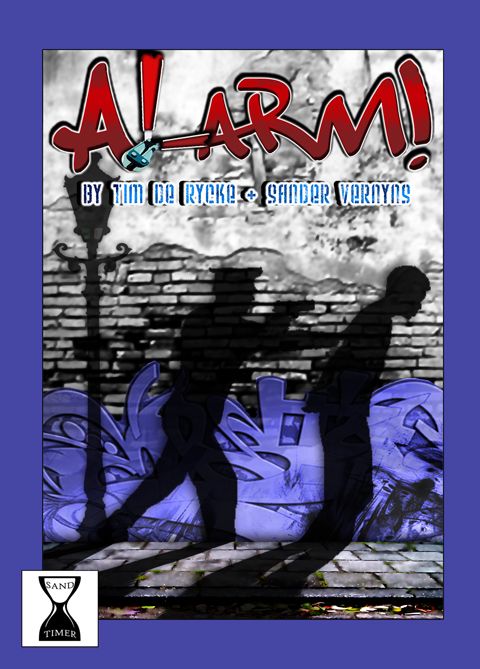

Welcome fellow game wranglers! I had the gang over last Friday, cracked open a fizzy drink, and wrestled with the latest party game: Alarm!. This review will give you the scoop—loud laughs, frantic shouting, the good, the not-so-great, and whether you should add it to your party shelf (or hide it behind the Trivial Pursuit box).
How It Plays
Setting up
Grab the Alarm! box and dump out the pieces. Each player takes a set of buzzer cards and the alarm bell sits in the middle. Shuffle the deck—yes, even if your shuffling skills are as bad as mine—and deal out cards to everyone. Make sure everyone is within arm’s reach of the bell (trust me, this gets important).
Gameplay
Players take turns flipping cards from their pile. If a match or special combo happens, everyone scrambles to hit the alarm bell first. Sometimes, the bell goes flying across the table (maybe don’t play near expensive lamps). If you hit it in time, you win the round and nab some points. If you mess up, well… expect laughter and a little bit of heckling from your “friends.”
Winning the game
The player with the most points after all cards are played wins. Feel free to do a victory dance, as long as you don’t knock over the table in your excitement. Quick, chaotic, and easy to teach—Alarm! brings out everyone’s competitive (and slightly noisy) side.
Want to know more? Read our extensive strategy guide for Alarm!.
Unpacking the Mechanics and Game Balance in Alarm!
So, Alarm! caught my eye with its wild cover and even wilder promise of “fast-paced, edge-of-your-seat chaos.” As someone who likes my chaos measured, I put on my serious gamer socks for this one. When my friends arrived, I explained the rules. The core mechanic is pretty easy: you race against a sand timer to complete color-coded challenges while avoiding the dreaded alarm token. If the alarm goes off on your turn, you face a penalty. Now, here’s the catch—sometimes those challenges are way easier for some folks and way harder for others, all down to the luck of the card draw. One of my friends, Greg, kept drawing “hum the theme from Jaws” while I got “recite the alphabet backwards while balancing an alarm clock on my head.” Not fair, Greg! Not fair at all.
That brings us to balance. With alarm! I noticed that luck plays a much bigger role than I’d like. You could be a strategic genius or a complete banana, but if you draw an easy task, you’re golden. If not, you’re toast. There’s not much you can do about it, so hardcore strategists in my group grumbled. On the upside, the rules are balanced enough that everyone gets a shot at victory, but randomness sometimes overshadows skill. If you love a level playing field and hate when luck steps in, alarm! might make your eye twitch.
But don’t jump to conclusions just yet! In the next section, I’ll spill the beans on how Alarm! brings players together—or tears them apart—through good old-fashioned interaction. Don’t hit snooze, this is about to get personal!
Player Interaction & Engagement in Alarm!
Let’s be real. Nobody wants to sit through a game that feels like accounting homework. So, how lively is player interaction in Alarm!? I can tell you it’s about as lively as a toddler who just ate a whole bag of sugar. The game throws you in with your friends, and everyone’s decisions seem to poke the bear for someone else at the table. Sometimes literally. (Don’t ask how we ended up with a bear token on the board, I blame Dave’s wild house rules.)
Alarm! does a great job making you keep an eye on everyone. You’re always guessing who’s bluffing or secretly plotting to trigger the alarm. There’s this sweet spot where you want to mess with your friends just enough to throw them off, but not so much that you look suspicious yourself. If you’re the shy, hide-in-the-corner type, Alarm! will drag you kicking and screaming into the action. My friend Sara tried to keep quiet, but she ended up the accidental hero after a surprise triple-cross. We still squeal about it whenever we see the game box.
But it’s not all perfect. Sometimes, the interaction can get a bit too noisy, with everyone shouting their suspicions at once. If you play with people who can’t handle a little friendly chaos, it might get overwhelming. But you know, what’s a game night without some dramatic finger-pointing and heated debates that spill into snack time?
Ready to find out if you’ll want to play this on repeat or relegate it to the dusty shelf? Next up, I’ll spill the beans on Alarm!’s replay value and fun factor. Prepare yourself, this could be a wild ride.
Replay Value and Fun Factor in Alarm!: Will You Ring Again?
Every now and then, I find a game that brings out both the best and the worst in my group of friends. Alarm! is one of those games. The rules don’t take longer to learn than making instant noodles, and every round goes fast, so you never feel stuck in a slog. I’ve played it with new gamers, seasoned pros, and even my Aunt Sally who thinks “Euro” is a type of bread. Every time, people ended up smiling—sometimes grinning, sometimes plotting their next move, and sometimes just laughing at the ridiculousness of it all.
So, does Alarm! have replay value? Well, kind of. If your group loves quick, silly games, Alarm! can hit your table again and again. It’s got that party game energy. But, and this is a big but (I like big buts and I cannot lie)—the game can start to feel a bit samey if you play it too much in a row. Since there aren’t many ways to mix up how you play, after several rounds, the urgency and fun might wear off. Still, for game nights where you want something light and energetic, this is gold. Just don’t expect it to fill the role of a deep, strategic favorite.
If I had to sum it up: Alarm! is exciting in short bursts but doesn’t offer much for those marathon game nights where you want lots of variety.
Next time, I’ll crank up the volume and tell you if the pieces in Alarm! make my eyes pop or if the theme is just a snooze button in disguise.
Alarm! – Component Quality and Theme: Is it All Just Noise?
I have seen some board games with pieces flimsier than my willpower on a Monday morning, but Alarm! surprised me, kind of like getting woken up by a real alarm clock on a Saturday. The box itself is sturdy and not some tissue-paper mess. I’ve lugged it around to three game nights now, and it still looks as fresh as it did when I first opened it. If you have a clumsy friend (and who doesn’t?), you can rest easy knowing the cards can withstand a few close encounters with a cup of juice.
The cards in Alarm! are thick enough to shuffle without that creeping fear they’ll split in half. The design is bold and bright, with icons and colors that even my colorblind cousin could tell apart. The alarm tokens are chunky which makes them fun to slam in a hurry—trust me, it happens a lot! The best part? No tiny pieces for your dog to eat or for you to lose under the couch, so my vacuum thanks the designer.
Theme-wise, Alarm! is about unpredictability and chaos, which really comes through in both gameplay and looks. Everything, from the frantic font choices to the cartoon alarm bells, is there to keep you jittery (in a fun way). The theme didn’t really go deep, but it definitely set a mood—this is a party game, not a deep strategy session. If you want a board game that makes you feel like you’ve had three espressos, you’re in the right place.
Would I recommend Alarm! based on components and theme? Yes, if you’re looking for sturdy, lively party game fun. Just don’t expect a masterpiece worthy of the Louvre.
Conclusion
Alright, that’s a wrap on my review for Alarm!. This game brings noisy, energetic chaos to any party, and it shines with groups who want quick laughs instead of deep strategy. The theme pops, and the chunky pieces survived my clumsy friends (and one spilled drink). But—big but—it relies way more on luck than skill. You might win, or you might just get yelled at for ringing the bell at the wrong time. If you want party energy and don’t mind a bit of randomness, you’ll get a kick out of Alarm!. If you’re a hardcore strategist, maybe look elsewhere. Thanks for reading—now, go ring that bell!